
Gourmet dessert popsicles made at home and sold in Recife
She started with 15 popsicles and a blender; nine years later the business turns over R$ 1.4 million a year.

- Startup cost
- $150–800
- Low budget · under $1k
- Difficulty
- Medium
- Revenue potential
- Scalable
- Time to launch
- Weeks
- Seen in
- Brazil
Costs and revenue are rough estimates based on the source and may differ by country.
Thayany dos Santos began making dessert-style popsicles in her Recife kitchen in 2017. Here is the one-person version: what to buy, who to sell to and what to charge.
The idea
The product is a frozen treat sold in a bag, known in Brazil as picolé, sacolé, dindim or chup-chup. Instead of a plain fruit ice, you make it like a ready-to-eat dessert. Thayany dos Santos, who founded Picolé Gourmet da Thay in Recife (Pernambuco), unemployed and pregnant in 2017, started at home after a cousin suggested it. She had watched a well-dressed woman pull a cart of them through her street. With no capital, she took condensed milk, cream and powdered milk from a relative's shop. Her first batch gave about 15 units, and she says she broke around 15 household blenders on the thick mixes.
The business grew when she positioned the product as dessert: flavours such as pavê, pudim and red-berry cheesecake, and printed branded bags instead of plain ones. According to her, sales rose quickly after the new packaging. A party where she served guests from a tray brought corporate and event clients. Today the source reports more than 30 flavours, up to 20,000 units a month and R$ 1.4 million a year, with a team of seven. Your version is the first stage only: one kitchen, one freezer.
Who it fits
Anyone who can cook, keep a kitchen clean and talk to neighbours. It works beside a job: produce in the evening, sell at weekends, at the office or at children's parties. It suits hot climates best, but dessert flavours also work in other regions through events, markets and office orders.
Costs and revenue
Expect roughly $150–800 to start: a strong blender or mixer, moulds or bags and a sealer, a chest freezer (second-hand if possible), insulated boxes, ingredients and simple labels. Prices are an editorial estimate. A popsicle typically costs well under $1 to make and can sell for about $1–2.50, more at events. With 1,000–3,000 units a month, expect gross sales of roughly $1,000–5,000, with margins depending on ingredients.
Risks and pitfalls
- Food safety and licensing: frozen dairy desserts need strict hygiene and often a local registration. Check rules before selling beyond friends.
- Equipment strain: thick mixes wear out domestic blenders. Buy a sturdier machine early.
- Power cuts and cold chain: keep a backup plan and sell fast after thawing risk.
- Seasonality: add events, offices and indoor-friendly dessert flavours.
- Cost swings: milk and fruit prices change; review prices every few months.
How to start
6 stepsTest three or four dessert flavours on friends and neighbours and note which ones they reorder.
Buy a sturdy blender, bags or moulds, a sealer and a second-hand chest freezer.
Check local food-handling rules and register your home kitchen if required.
Take samples to offices, schools and neighbours; post photos and take party orders on social media.
Order printed branded bags once sales are steady, and price each flavour with its real ingredient cost.
Add event catering and corporate orders, then rent a bigger space when the freezer is full.
More in: Food & drink

Asian-style coconut ice cream served in the shell from a beach cart
A fresh coconut as the bowl turns a simple scoop into a dessert people queue and post for.
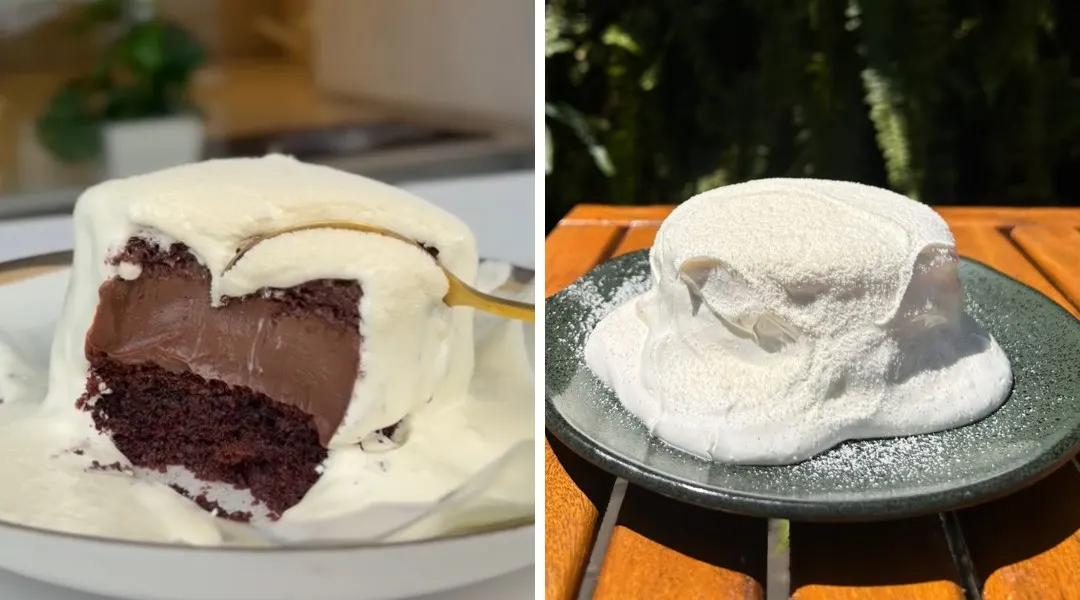
Cloud cake slices from a home kitchen, sold by pickup in Brazil
A fluffy white powdered-milk cream turned plain sponge cake into a viral dessert.
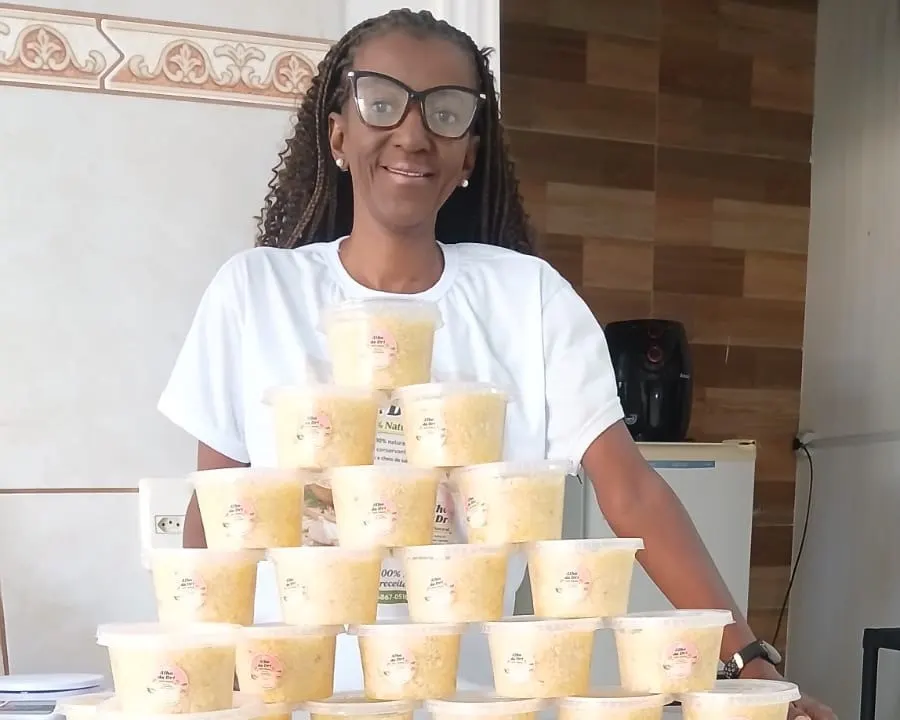
Chopped garlic by weight from a home kitchen in Nilópolis, Brazil
She swapped manicures for peeled, chopped garlic and now buys up to 90 kg of raw garlic a week.
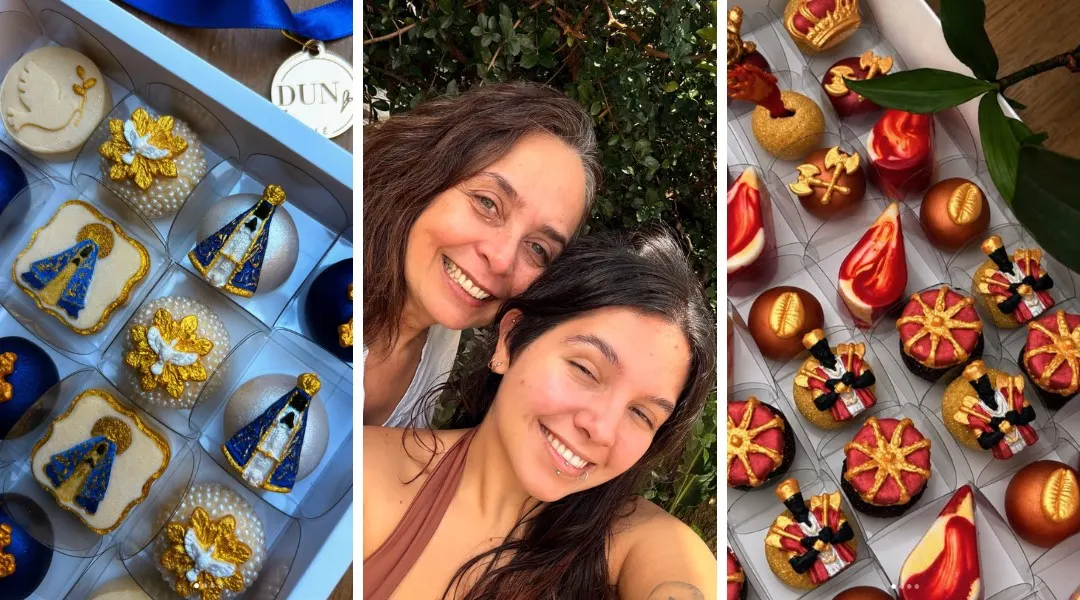
Personalised religious sweets made in a home kitchen in São Paulo
A mother and daughter turned hand-decorated sweets for temple celebrations into a full-time income from their own kitchen.
More from this day
 Australia
Pen-and-ink house portraits sold as framed gifts to homeowners
People will pay to hang a drawing of the home they love, and you only need a pen and a photo.

 United States
Weekly goat rental for brush and weed clearing in the US
Goats that clear brush and vines for paying landowners, with no herbicide and no heavy machinery.

Food photo and video shoots for restaurants in Santa Catarina
A phone, a small light kit and a sharp eye can turn a restaurant's menu into scroll-stopping content.
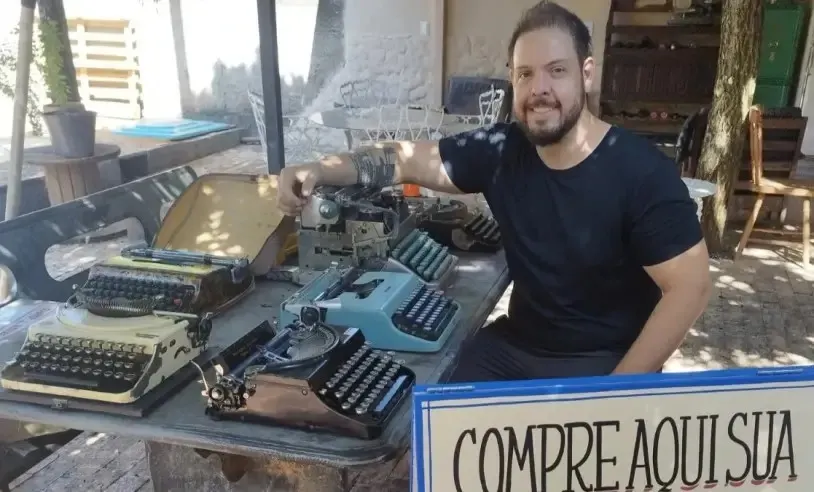
Restoring and reselling vintage typewriters from a home workshop
People tired of screens will pay for a machine that does one thing: let them write.