
Chopped garlic by weight from a home kitchen in Nilópolis, Brazil
She swapped manicures for peeled, chopped garlic and now buys up to 90 kg of raw garlic a week.

- Startup cost
- $300–1k
- Low budget · under $1k
- Difficulty
- Medium
- Revenue potential
- Full-time living
- Time to launch
- Weeks
- Seen in
- Brazil
Costs and revenue are rough estimates based on the source and may differ by country.
A one-person kitchen business that peels, chops and jars garlic for neighbours, market shoppers and restaurants, made to order and sold by weight.
The idea
Most cooks use garlic daily, and almost nobody enjoys peeling it. The business is simple: buy raw garlic in bulk, peel and chop it, and sell it fresh in tubs of 250 g, 500 g or 1 kg.
It is observed in Nilópolis, in Rio de Janeiro state, where Adriana Pinto Silva, 46, a former manicure, started Alho da Dri nine months ago. She noticed that chopped garlic sold well at a Sunday street market where her own family shopped. She began with 5 kg of garlic, a basic grinder, a scale and 250 g tubs. Her first order was eight tubs from existing manicure clients.
Her prices are R$10 for 250 g, R$18 for 500 g and R$36 for 1 kg (roughly $1.80, $3.30 and $6.50). Buyers of more than 20 tubs pay R$9 each and resell at their own margin. She says gross sales passed R$10,000 in nine months and that her weekly garlic purchases have reached 90 kg. She works to order so the garlic is always fresh, and she buys at the Ceasa wholesale market in Irajá.
Who it fits
This suits someone who can work clean and steady in a kitchen, with a spare room or a corner for production and a fridge. It can start beside a job, since early orders are small and delivery can be arranged for set days. Her own growth came from short Instagram videos showing the process, with the town name and phone number in every caption, and a free first delivery for new followers. Any city with street markets, small restaurants and busy households could support the same model.
Costs and revenue
Expect roughly $300–1,000 to start (estimate): a grinder, scale, tubs, a fridge and a first batch of garlic. She spent R$4,000 (about $700) on an industrial peeler after four months, paid in ten card instalments, but a hand-peeling start is possible. Revenue is an estimate too: with a few restaurants and a reseller base, around $400–1,500 a month in sales is plausible, before garlic, packaging and transport costs.
Risks and pitfalls
- Hygiene and licensing: check local rules for selling food made at home and follow them before taking restaurant clients.
- Shelf life: chopped garlic spoils faster than whole bulbs, so make to order and keep it cold.
- Labour: peeling by hand took her five hours for a small order; budget for a peeler early.
- Supply logistics: without a vehicle she relies on buses and ride apps to reach the wholesale market, and delays hold up production. Share bulk trips or arrange delivery.
- Delivery area: keep it small until capacity grows.
How to start
6 stepsWatch which prepped foods sell at your local market and ask five cooks or restaurants if they would buy chopped garlic weekly.
Check your local rules for selling home-made food and get any required registration before the first sale.
Buy a grinder, a scale, 250 g tubs and a small used fridge, then test a 5 kg batch of garlic bought wholesale.
Film each step of the process, name your town and add your phone number to every caption.
Price 250 g, 500 g and 1 kg tubs, plus a lower price per tub for resellers buying 20 or more.
Offer a free first delivery to new followers, and buy a peeler once weekly orders justify it.
More in: Food & drink

Personalised religious sweets made in a home kitchen in São Paulo
A mother and daughter turned hand-decorated sweets for temple celebrations into a full-time income from their own kitchen.
More from this day
 United States
Hand-printed city maze posters sold at markets and online
Turn a famous city into a puzzle people hang on the wall and gift to friends.
Hand-pollinating tomato plants for home growers and greenhouses
Indoor tomatoes need a shake to set fruit, and some growers will pay someone else to do it.
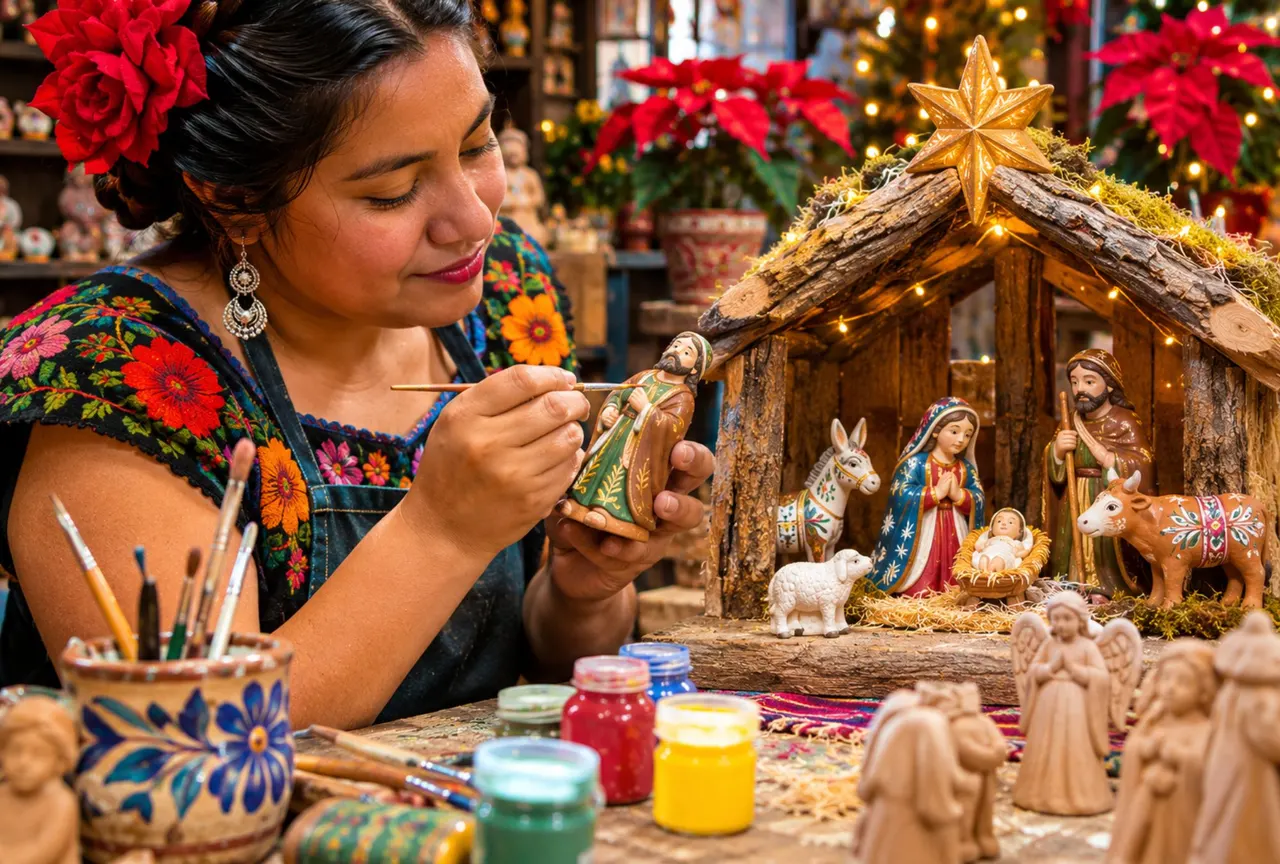
 Mexico
Handmade Christmas nativity scenes sold at Mexican bazaars
A centuries-old Christmas tradition that families still pay to put on their table, made with wood, clay or card.

Themed glass terrariums with axé motifs from a home workshop
A couple turned a tiny "planet in a glass" into a brand by adding Afro-Brazilian axé themes.