
Cloud cake slices from a home kitchen, sold by pickup in Brazil
A fluffy white powdered-milk cream turned plain sponge cake into a viral dessert.
- Startup cost
- $300–1.2k
- Low budget · under $1k
- Difficulty
- Easy
- Revenue potential
- Side income
- Time to launch
- Days
- Seen in
- Brazil
Costs and revenue are rough estimates based on the source and may differ by country.
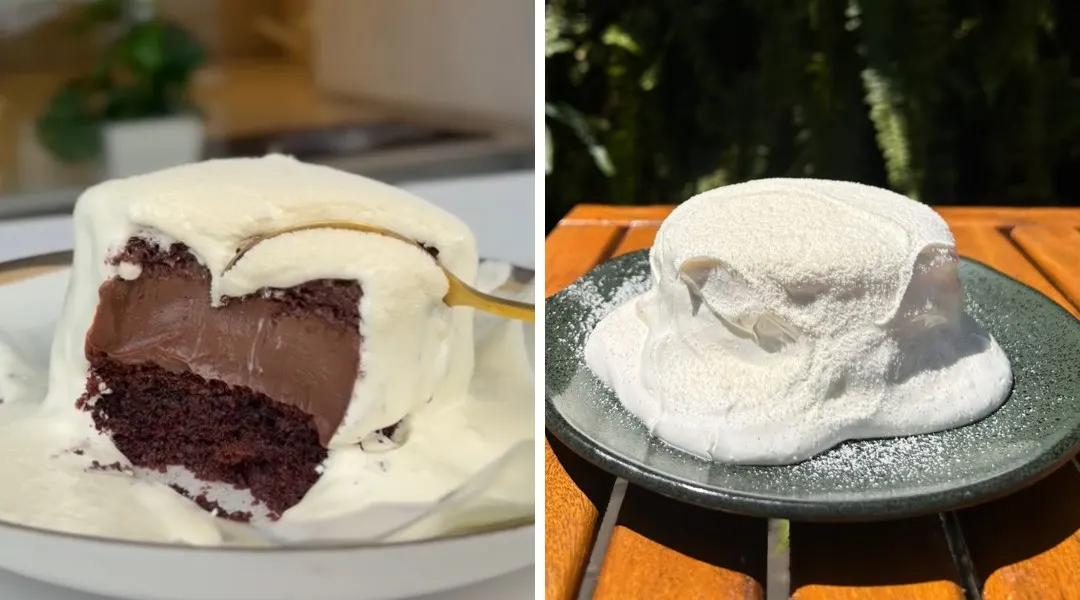
Bolo nuvem is a slice of sponge cake under airy whipped powdered-milk cream. Brazilian bakers sell it by the slice for about $5, straight from small kitchens.
The idea
Bolo nuvem ("cloud cake") is a slice of cake covered with powdered-milk cream whipped until it is light, airy and white, like a soft cloud. It spread in Brazil after viral Instagram videos, following earlier fads such as the morango do amor (love strawberry). You sell it by the slice or in small jars, for pickup and delivery.
The source describes several bakers. Anderson Oliveira, who runs Império Dan Cakes in São Paulo, added it in late October, sold an average of 110 slices a day in three days and now sells up to 140 a day, at R$ 29.99 a slice. Amanda Smaniotto of Arte Cacau in Ampére, Paraná, paired the cream with a dark chocolate ganache cake, sold over 200 units in two weeks and charges R$ 30. Camilla Vieira, a baker in Nova Iguaçu, Rio de Janeiro, has sold 180 units since a video reached 5 million views, at R$ 25 a slice. These are large-shop results; a home version will be smaller.
Who it fits
Anyone who can bake a simple sponge and handle a mixer. You need a clean kitchen, a fridge, a phone for short videos and a few free hours. It works beside a job if you take orders for evenings and weekends. The same idea suits any country where people buy dessert by the slice and follow social media trends: choose a local flavour as your twist.
Costs and revenue
These are editorial estimates. Expect roughly $300–1,200 for a mixer, baking tins, disposable boxes or jars, labels and first ingredients. Ingredients per slice are low, so margins can be healthy. Pricing around $4–6 a slice follows the Brazilian examples. A realistic home output of 10–30 slices a day could bring roughly $800–3,500 a month in sales while the trend lasts, before costs.
Risks and pitfalls
- Fads fade. Treat it as one product on a menu, and prepare the next trend or a seasonal variation.
- Copycats. Stand out with your own flavours and a consistent look.
- Freshness. Whipped cream is delicate; keep it chilled, sell quickly and deliver in cold bags.
- Rules. Home food sales often need registration or a food-handling licence; check local law.
- Overload. A viral video can bring more orders than you can bake; set a daily limit and pre-order slots.
How to start
6 stepsTest recipes at home until the cream is stable, airy and tastes good after a few hours in the fridge.
Buy a strong mixer, tins and food-safe jars or boxes with simple labels.
Check local rules for selling home-made food and register if required.
Film a short video of the cream being spread and post it daily, then take pre-orders by messaging.
Price around $4–6 a slice, offer a jar size and cap daily orders to protect quality.
Add one or two own flavours and a seasonal version once orders are steady.
More in: Food & drink
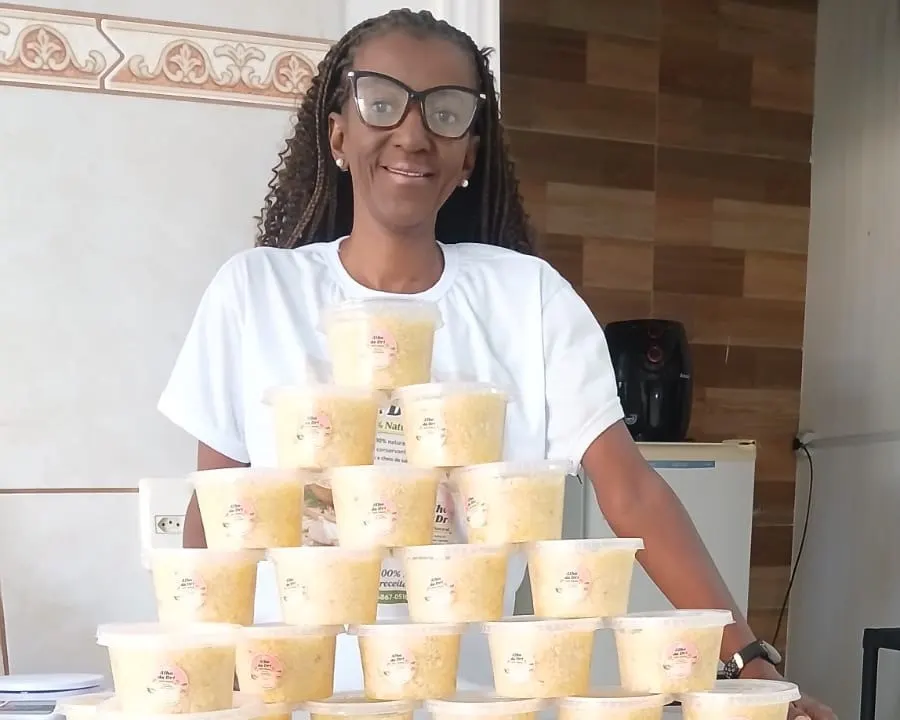
Chopped garlic by weight from a home kitchen in Nilópolis, Brazil
She swapped manicures for peeled, chopped garlic and now buys up to 90 kg of raw garlic a week.
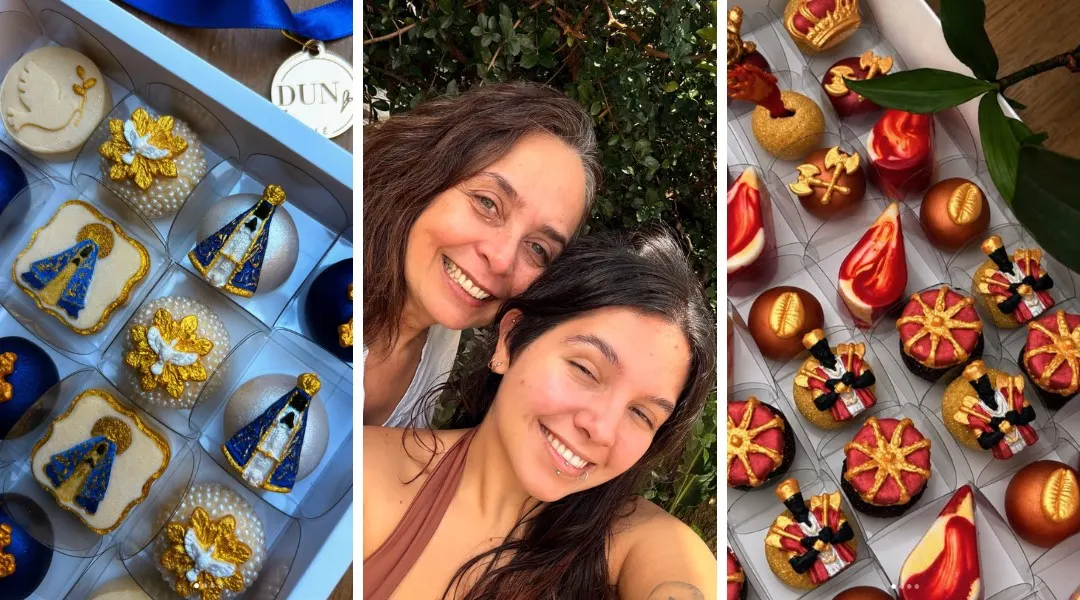
Personalised religious sweets made in a home kitchen in São Paulo
A mother and daughter turned hand-decorated sweets for temple celebrations into a full-time income from their own kitchen.
More from this day

 India
Hand-carved wooden Mukh shuttles for Pashmina weavers in Srinagar
One tiny carved shuttle sits at the heart of every handwoven Pashmina shawl, and almost nobody still makes it.
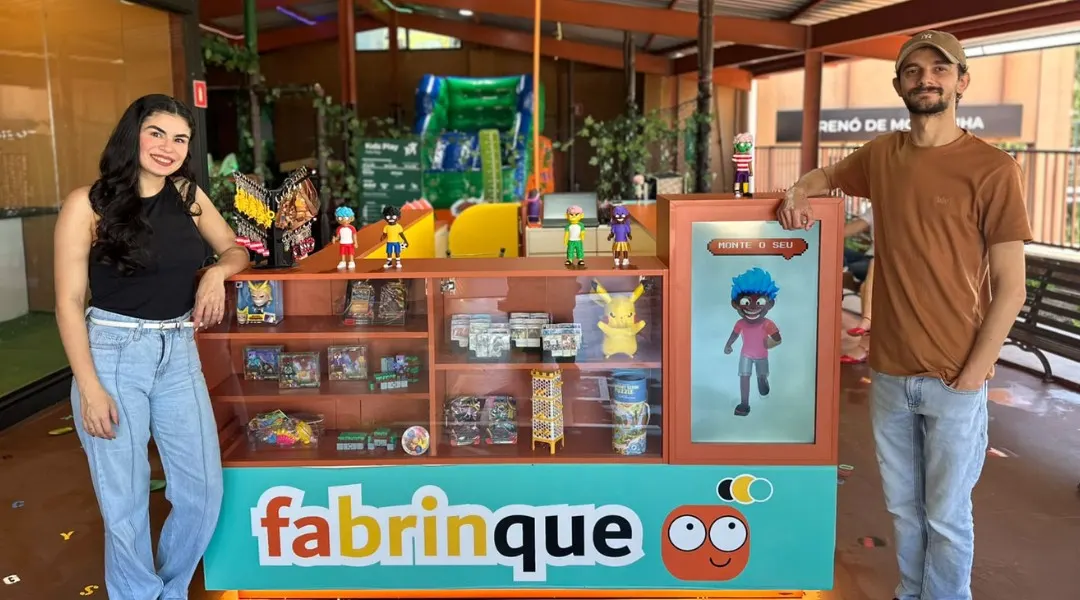
Build-your-own 3D-printed figurine kiosk in a tourist park
Customers pick heads, hair and outfits from wall niches and walk away with a figurine that looks like them.

Upcycled denim bags and accessories from factory offcuts in Brazil
Jeans factories throw away tonnes of scraps. A couple in Santa Catarina turned them into bags people queue to buy.
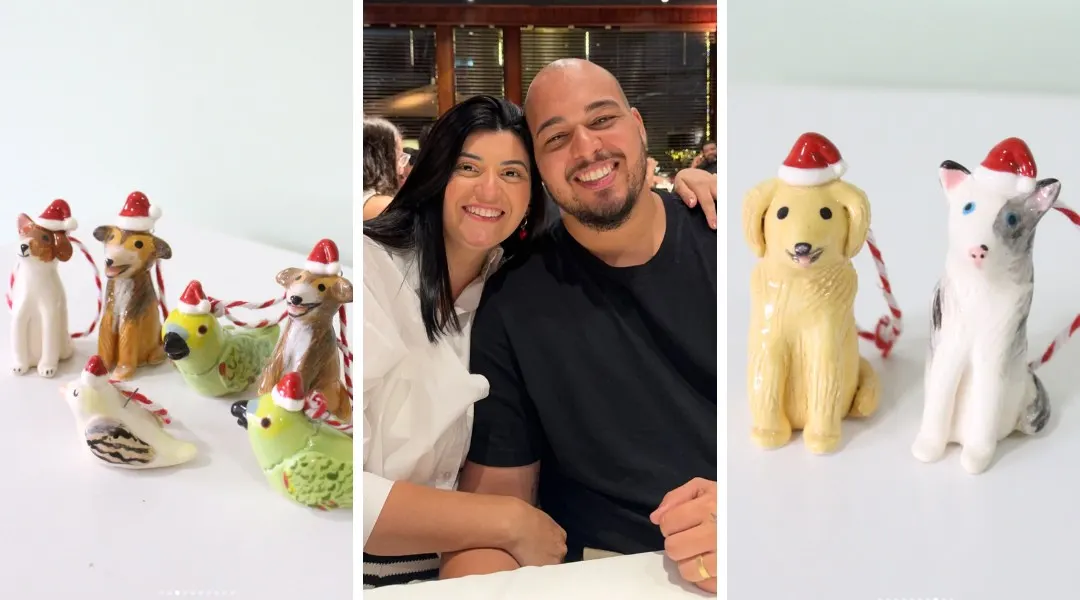
Custom ceramic pet Christmas ornaments made from photos in Rio
Customers send a photo, and their dog or cat becomes a hand-sculpted tree decoration.