
Personalised religious sweets made in a home kitchen in São Paulo
A mother and daughter turned hand-decorated sweets for temple celebrations into a full-time income from their own kitchen.
- Startup cost
- $400–1.5k
- Low budget · under $1k
- Difficulty
- Medium
- Revenue potential
- Full-time living
- Time to launch
- Weeks
- Seen in
- Brazil
Costs and revenue are rough estimates based on the source and may differ by country.
Make sweets and favour boxes decorated with the symbols of a faith, sell them in kits to your community, and earn from a home kitchen with almost no niche competition.
The idea
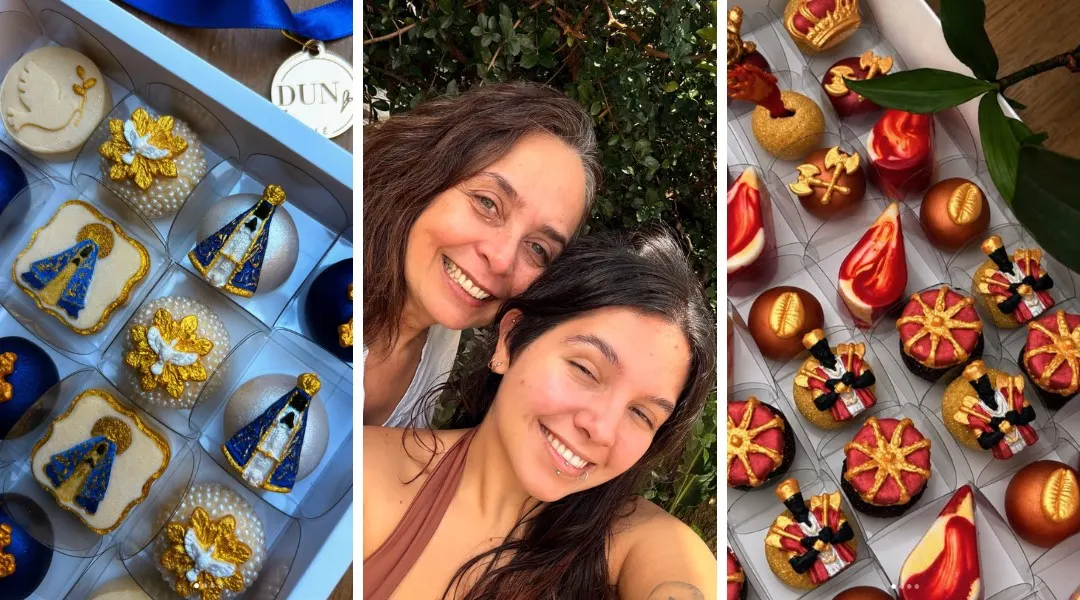
You make sweets and party favours decorated with the symbols of a religion, and sell them in kits for ceremonies, festivals and gifts. The model is observed at Dun Ateliê in the East Zone of São Paulo, Brazil, run from a home kitchen by Jessica Carina Carvalho Cabezas (52) and her daughter Isabella (26). They focus on Afro-Brazilian faiths such as Candomblé. According to them, the segment had little personalised confectionery on offer.
The business grew step by step: first savoury snacks during the pandemic, then party sweets and cakes, then sweets coloured for their own temple's celebrations. After a post of sweets decorated with symbols of the orisha Oxum went viral, orders began arriving. They report about 1,500 to 2,000 sweets a week, an average ticket of R$ 200 and monthly sales of R$ 24,000 to R$ 38,000.
They sell three levels: stamped sweets (traditional), hand-painted (special) and edible sculptures on bonbons (luxury). Painted MDF boxes with favours inside are a side product.
Who it fits
This suits someone who bakes well, is part of a faith community and understands its symbols and etiquette. Respect is the product. One person can start; a second pair of hands for drawing or painting helps. In the source, the mother makes the doughs and the daughter does the artwork. It can run beside a job if you bake on set days: they prepare sugar-paste decorations on Sunday, since these keep, and deliver on Friday and Saturday. The idea transfers to any place with strong festival traditions: Hindu, Christian, Jewish, Muslim or other communities.
Costs and revenue
Expect roughly $400 to $1,500 to start: food-safe silicone for moulds, stamps, edible paint and gold colouring, sugar paste, boxes, packaging and a camera-ready corner. Ingredients are bought per order. Do not spend on a shop.
In the source, boxes without sweets cost R$ 80 to R$ 380, and a minimum order of 36 sweets costs R$ 468 to R$ 532. Charge by the level of artwork, not by weight. As an estimate, a solo beginner doing a few orders a week might earn $500 to $2,500 a month; the source's figures are far higher and come after months of building a following.
Risks and pitfalls
- Cultural sensitivity: a wrong symbol or colour offends. Ask your community's elders and check each design with the client.
- Home-kitchen rules: many places require a food licence or registration. Check local rules before selling.
- Materials: sourcing moulds was hard for them. Use only food-grade, non-toxic silicone and test before selling.
- Uneven demand: festival dates create peaks and dead weeks. Take deposits and set a weekly order cap.
- Time per piece: hand painting is slow. Price it properly or you will earn little per hour.
How to start
6 stepsTalk to people in your community and list the sweets, symbols and colours used at their celebrations.
Buy food-safe silicone, stamps, edible paints and sugar paste, then practise on a few designs.
Check your local rules for selling food made at home and register if required.
Photograph or film a finished kit and post it, then offer a first batch to your own community.
Set three price levels: stamped, hand-painted and sculpted, with a minimum order and a deposit.
Add boxes or favours once orders flow, and cap weekly volume to keep quality.
More from this day
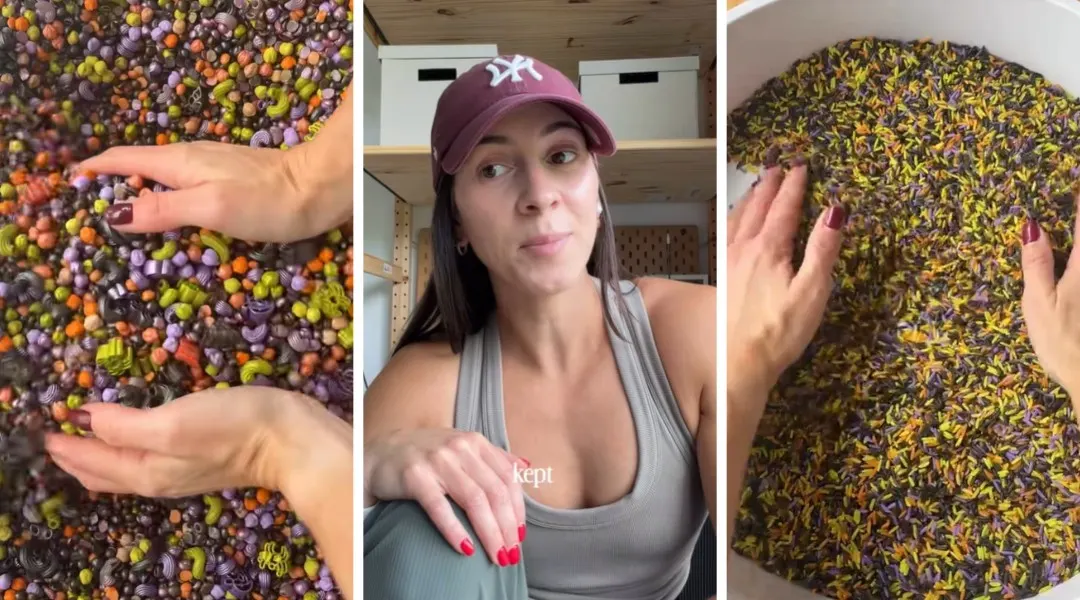
Coloured rice sensory play kits made in a home kitchen, Brazil
A bag of pantry rice and food colouring bought one mother an hour of peace, then a paying online shop.
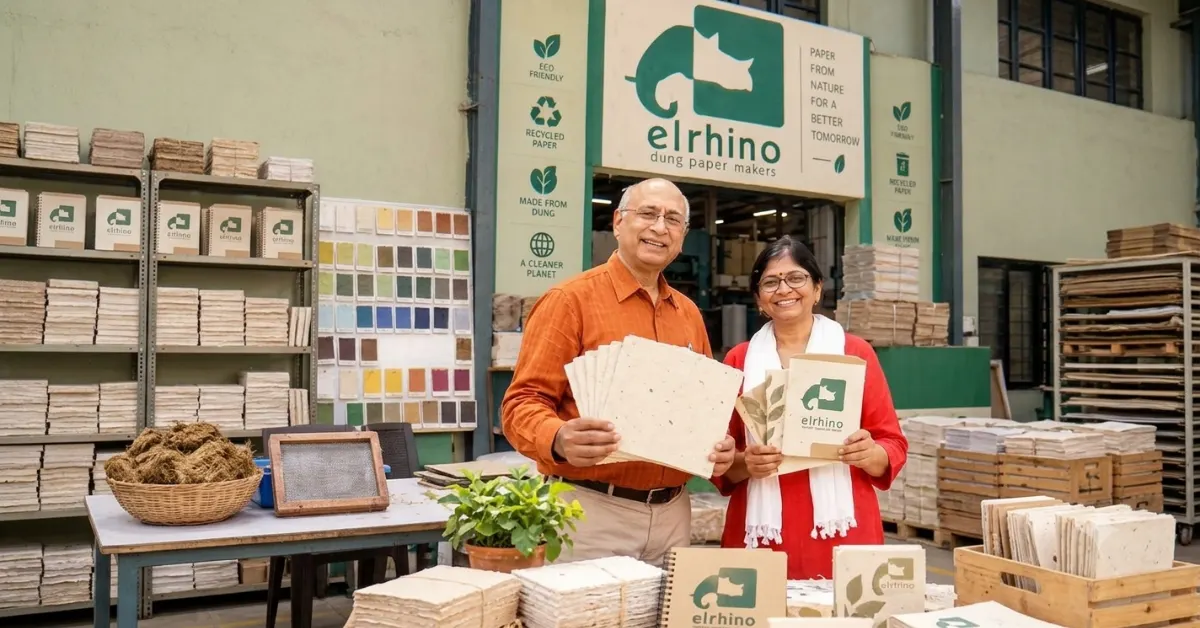

Handmade notebooks from elephant and rhino dung paper in Assam
A kitchen blender, window screens and wildlife dung can become a notebook that tourists happily pay extra for.
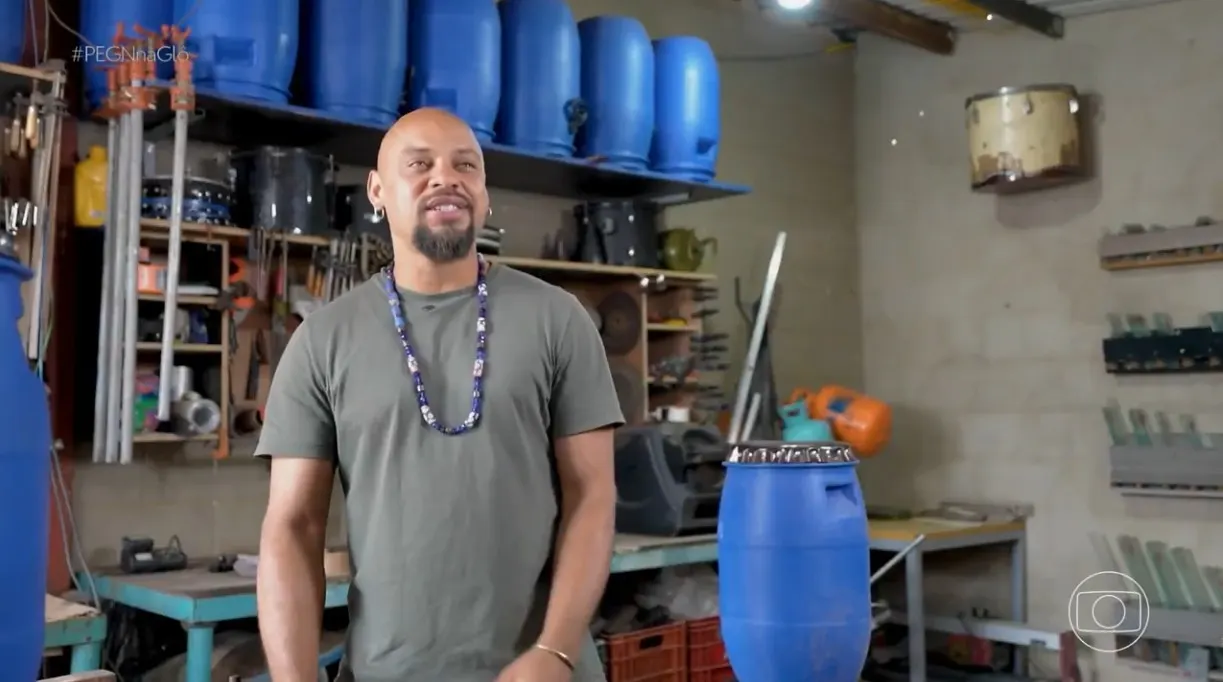
Scrap-built drums and instruments sold from a home workshop in Brazil
A music student with no budget turned plastic drums and bottle skins into a business earning about R$ 20,000 a month.

Free chalkboards for restaurants paid by local advertisers
Give a restaurant a free specials board, then sell the strip along the bottom to neighbouring businesses.