
Asian-style coconut ice cream served in the shell from a beach cart
A fresh coconut as the bowl turns a simple scoop into a dessert people queue and post for.

- Startup cost
- $1.5k–5k
- Mid budget · $1k–10k
- Difficulty
- Medium
- Revenue potential
- Full-time living
- Time to launch
- Weeks
- Seen in
- Brazil
Costs and revenue are rough estimates based on the source and may differ by country.
Scoop artisan coconut ice cream into a fresh coconut shell from one small cart. A Salvador trio went from R$ 3,000 to R$ 106,000 a month in three months.
The idea
Sell artisan coconut ice cream scooped straight into a fresh coconut shell, in the spirit of Asian street desserts, from one cart or stall. The shell is both packaging and attraction: customers photograph it, share it and pay more than they would for a cone.
In Salvador, Brazil, Amaré Sorvete no Coco was founded by two advertising professionals and a dentist after a trip to Thailand. It opened in May with a single cart on the Barra waterfront, weekends only. According to the founders, three scoops served in the shell with the fruit's pulp cost R$ 35 (about $6.50), and a cup version costs R$ 18 (about $3.30). Revenue rose from R$ 3,000 in the first month to R$ 106,000 in August, and output from 20 to as many as 400 units a day. The recipe is gluten-free, with no artificial flavourings, made with milk extracted from the dried coconut itself.
Who it fits
This suits someone who can work with their hands and talk to customers: you need patience for prep and a taste for presentation. The founders had no food background; they tested the recipe until it worked. It works beside a job if you start on weekends, as they did. You need a spot with foot traffic, a home or rented kitchen that meets local rules, and a phone for social media. It would suit any warm coastal or tourist area where coconuts are cheap: Southeast Asia, the Caribbean, Mediterranean beaches, Indian and African coasts.
Costs and revenue
The founders invested around R$ 50,000 (roughly $9,000), but that included building a brand for three partners. One person can typically start for about $1,500–5,000: a chest freezer, an ice cream machine or powerful blender, a small cart or covered table, coconuts, utensils and a permit. Expect roughly 2–3 times the cost of a cup for the shell serving. At 40–80 servings on a good weekend day at about $6, a part-time operator might expect around $800–3,000 a month; full-time in a busy season can pass that. These are editorial estimates, not the source's figures.
Risks and pitfalls
- Prep is slow. Peeling, opening and scooping coconuts by hand limits output; the founders sold out within minutes at 20 a day. Cap batches and prepare the night before.
- Queues. Waits reached 1 hour 40 minutes. Use a pre-order list or a second server.
- Rules. Growth forced them to move from MEI to Simples Nacional and to a larger kitchen with sanitation compliance. Check food-safety rules before scaling.
- Seasonality and weather. Rain and cool months cut sales; add a cup option and indoor events.
- Copycats. Differentiate with flavours, a clean story and consistent quality.
How to start
6 stepsTest a recipe at home: coconut milk base, two or three flavours, and let 20 friends or neighbours taste it before you buy equipment.
Buy a chest freezer, a covered cart or table, a blender or small batch freezer and a few dozen coconuts from a wholesale supplier.
Check food-handling rules and register as a micro-business; ask whether your selling spot needs a street-vending permit.
Start on weekends on a busy promenade or market, and post the coconut on social media daily; photos bring the queue.
Price the shell serving at about double a cup, track the cost per coconut and cap daily batches so you never sell out in minutes.
When demand outgrows your kitchen, rent a licensed prep space and add a helper before opening a second spot.
More in: Food & drink
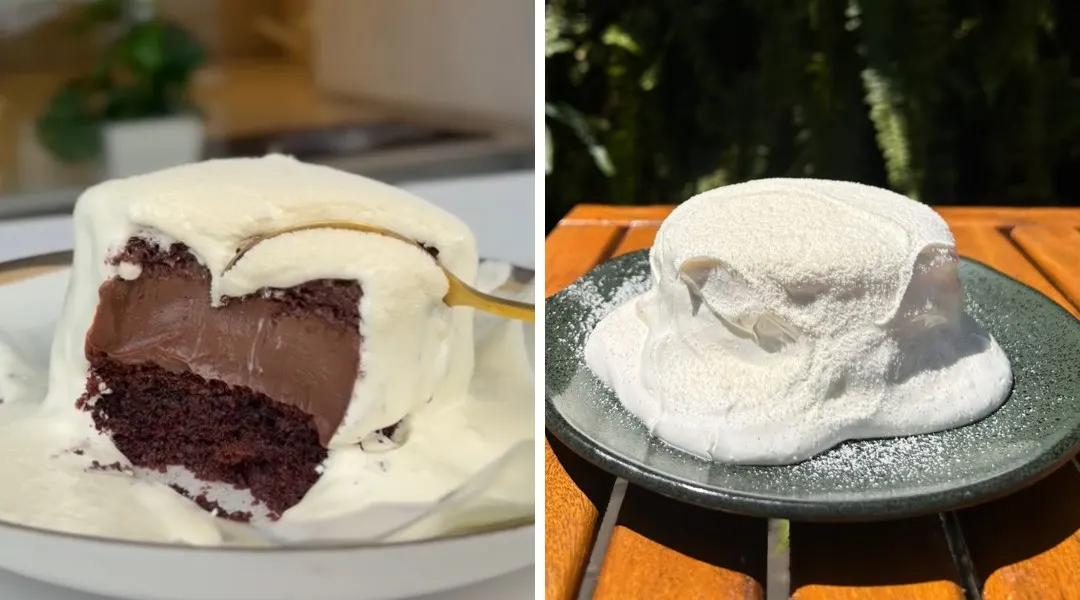
Cloud cake slices from a home kitchen, sold by pickup in Brazil
A fluffy white powdered-milk cream turned plain sponge cake into a viral dessert.
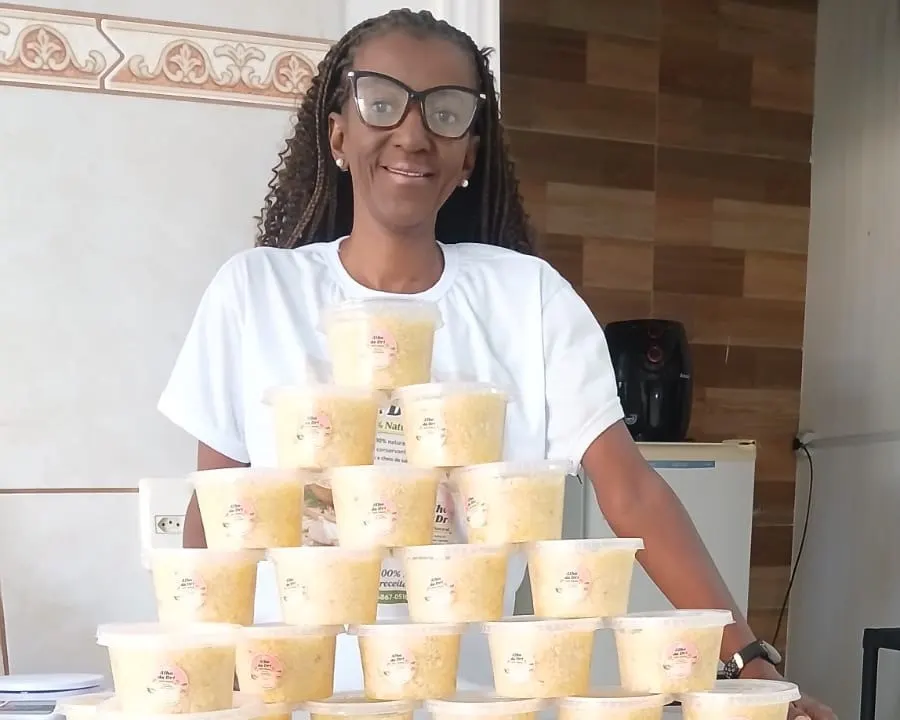
Chopped garlic by weight from a home kitchen in Nilópolis, Brazil
She swapped manicures for peeled, chopped garlic and now buys up to 90 kg of raw garlic a week.
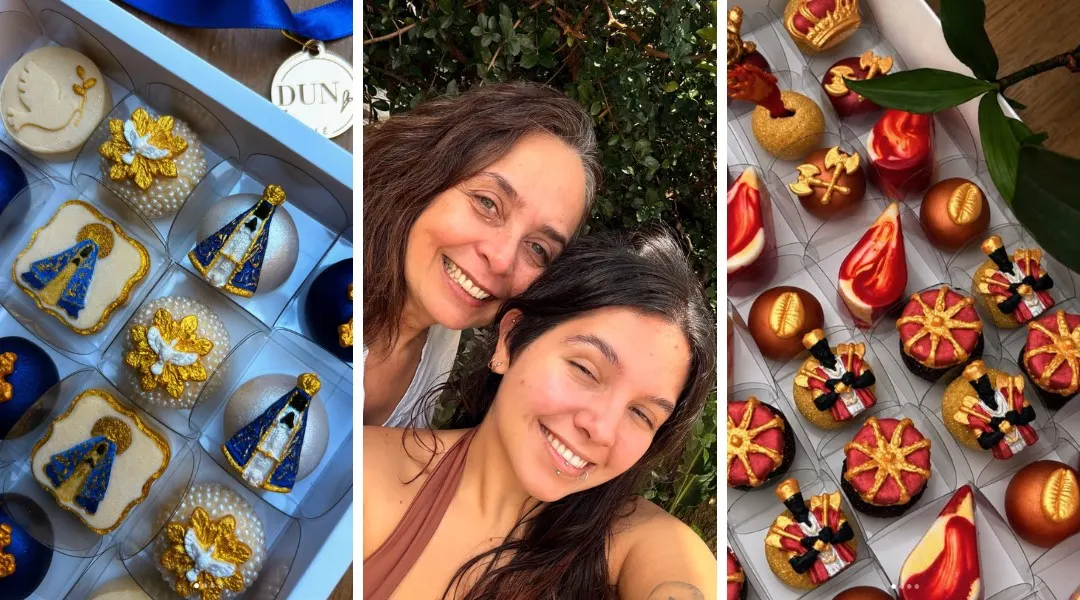
Personalised religious sweets made in a home kitchen in São Paulo
A mother and daughter turned hand-decorated sweets for temple celebrations into a full-time income from their own kitchen.
More from this day

Gourmet dessert popsicles made at home and sold in Recife
She started with 15 popsicles and a blender; nine years later the business turns over R$ 1.4 million a year.
 Australia
Pen-and-ink house portraits sold as framed gifts to homeowners
People will pay to hang a drawing of the home they love, and you only need a pen and a photo.
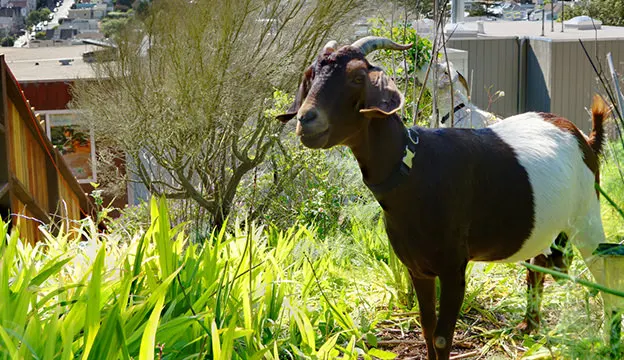
 United States
Weekly goat rental for brush and weed clearing in the US
Goats that clear brush and vines for paying landowners, with no herbicide and no heavy machinery.

Food photo and video shoots for restaurants in Santa Catarina
A phone, a small light kit and a sharp eye can turn a restaurant's menu into scroll-stopping content.