
Food photo and video shoots for restaurants in Santa Catarina
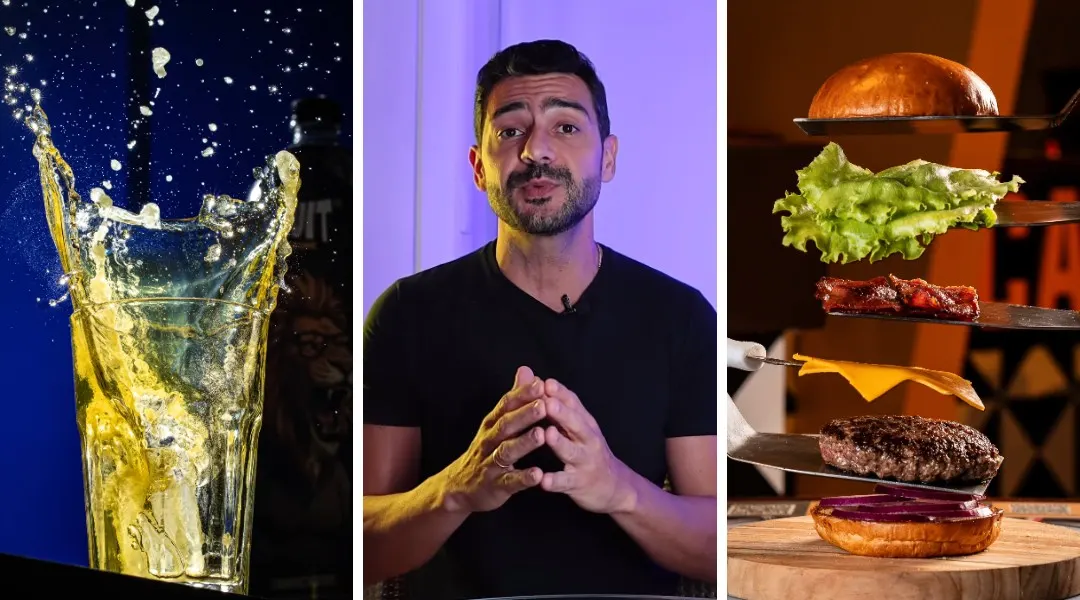
A phone, a small light kit and a sharp eye can turn a restaurant's menu into scroll-stopping content.
- Startup cost
- $250–900
- Low budget · under $1k
- Difficulty
- Medium
- Revenue potential
- Full-time living
- Time to launch
- Weeks
- Seen in
- Brazil
Costs and revenue are rough estimates based on the source and may differ by country.
Sell food photos and short videos to local restaurants, per shoot or as a monthly content package, using a phone or camera and a compact kit.
The idea
Restaurants need appetising photos and short videos for Instagram, TikTok and delivery apps, but most owners cannot produce them while running a kitchen. You sell that content, either as a single shoot or as a monthly package with an agreed number of photos and reels.
In Santa Catarina, Brazil, photographer Thiago Pinheiro, known as Pinha (@pinhastudio), began specialising in food during the covid-19 pandemic, when restaurants had to strengthen their presence on social networks and delivery apps. He says 65% of his studio's jobs are now in gastronomy, packages start at R$ 3,200 (roughly $580) and the studio bills about R$ 60,000 a month (roughly $11,000). That is an established studio; the one-person version starts with a few local clients and smaller packages.
His method is simple: show the behind-the-scenes and the team, film images that trigger desire (stretching pizza cheese, burgers cooked over fire, sauce poured onto a plate) and join trends that suit the venue. A pizzeria owner he worked with says one post reached 118,000 views and brought new customers.
Who it fits
Anyone with a good eye for light and composition who can edit short vertical video. Shoots happen in the quiet hours between lunch and dinner, so it can run beside a job, with editing in the evening. You need a recent smartphone or camera and patience to work in a busy kitchen. It works in any town with independent restaurants, cafés, bakeries, food trucks or tourist streets.
Costs and revenue
Expect to spend roughly $250–900 if you already own a decent smartphone: tripod, small LED light, reflector, a few backdrops, a phone gimbal and an editing app. A used mirrorless camera would push the budget towards $1,500.
These are editorial estimates. A single shoot of 3–5 dishes typically sells for around $120–350 in a mid-cost market; a monthly package (for example 8 photos and 4 reels) around $300–700. With two or three clients you can expect around $600–1,500 a month; with five to eight retainers, $2,500–5,000. Large studios charge far more, as Pinha's does.
Risks and pitfalls
- Unpaid revisions: agree the number of edits in a written quote.
- Image rights: state who may use the content and for how long.
- Client churn: restaurants close or cut budgets; keep several clients and sell monthly plans.
- Slow kitchens: shoot in off-peak hours and prepare a shot list so you never block service.
- Weak results: content alone does not fill tables; track views and orders and adjust formats.
How to start
6 stepsShoot five dishes at a friendly café or restaurant to build a small portfolio and one sample reel.
Buy a tripod, small LED light, reflector and editing app; use the phone you already own before upgrading.
Open Instagram and TikTok portfolio profiles and prepare a simple contract covering image rights and revisions.
Visit ten nearby restaurants in quiet hours with a low-price trial shoot of three dishes.
Price by deliverable: one-off shoot and monthly package with a set number of photos and reels.
Track views and orders for each client, publish them as case studies and move clients to monthly retainers.
More from this day

Gourmet dessert popsicles made at home and sold in Recife
She started with 15 popsicles and a blender; nine years later the business turns over R$ 1.4 million a year.
 Australia
Pen-and-ink house portraits sold as framed gifts to homeowners
People will pay to hang a drawing of the home they love, and you only need a pen and a photo.
 United States
Weekly goat rental for brush and weed clearing in the US
Goats that clear brush and vines for paying landowners, with no herbicide and no heavy machinery.
Restoring and reselling vintage typewriters from a home workshop
People tired of screens will pay for a machine that does one thing: let them write.