
Hand-carved wooden Mukh shuttles for Pashmina weavers in Srinagar
One tiny carved shuttle sits at the heart of every handwoven Pashmina shawl, and almost nobody still makes it.
- Startup cost
- $200–800
- Low budget · under $1k
- Difficulty
- Hard
- Revenue potential
- Side income
- Time to launch
- Months
- Seen in
- India
Costs and revenue are rough estimates based on the source and may differ by country.
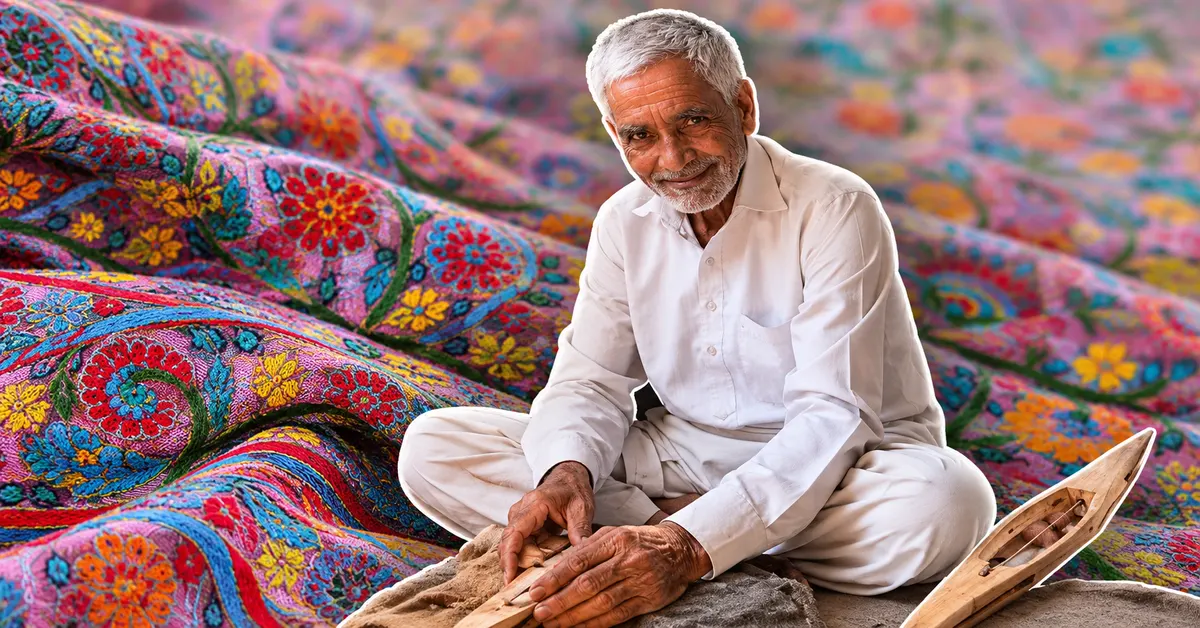
In Srinagar, a 75-year-old carver shapes the Mukh, the wooden weaving shuttle, by hand. A rare, patient craft that sells to workshops and earns repeat repairs.
The idea
In Amda Kadal Jogiwan, a neighbourhood of Srinagar, Abdul Majeed Zargar, now 75, carves the Mukh: the small wooden shuttle that carries the weft yarn back and forth across the warp threads of a handloom. Without it, a Pashmina or Tusha shawl cannot be woven. He is believed to be the last craftsman in Kashmir who makes it entirely by hand, using only chisels and files, and he has done so for nearly five decades.
He earns by selling new shuttles to weavers and to a sazvari, a trader who deals in weaving tools, and by repairing worn ones. He also improved the design: the metal parts used to be iron and rusted, so he switched to brass. Factory-made shuttles are cheaper, but he says hand-carved ones last longer. At the height of his reputation, weavers sometimes waited months for a piece.
Who it fits
This suits someone patient, good with their hands and comfortable with woodwork. You need a bench, a vice and a quiet corner at home. Zargar needed almost a year to reach a standard that experienced weavers accepted, and his first pieces were turned away, so treat the first months as an apprenticeship. That makes it realistic beside another job.
The key asset is access to working weavers. Start where handlooms are still in use. Kashmir is the obvious place, but hand-weaving communities elsewhere in India and beyond also depend on shuttles, so the skill could travel.
Costs and revenue
These are editorial estimates, not figures from the source. Expect to spend roughly $200–$800 on seasoned hardwood, a set of chisels and files, brass fittings, a vice and sandpaper. Prices are not reported, so test them: ask local weavers what they pay for factory shuttles and price a good hand-carved pair somewhat above that. Selling a few pairs a week, plus repairs, could typically bring around $100–$400 a month as extra income. Since each piece takes hours, this is a craft income, not a volume business.
Risks and pitfalls
- Shrinking demand. Power looms are replacing handlooms. Aim at workshops that still weave by hand and offer repairs for steady work.
- Cheaper factory shuttles. Compete on durability, such as brass fittings, and say so plainly.
- Quality rejection. Weavers will spot flaws at once. Ask a weaver to test every early piece and keep the feedback.
- Slow learning curve. Do not quit your income; practise on offcuts first.
- Trust. Introductions from one trader or master weaver opened doors for Zargar, so cultivate one or two.
How to start
6 stepsVisit weaving workshops and a tool trader to see Mukhs in use, and borrow one to measure and copy.
Buy seasoned hardwood, basic chisels, files, a vice and small brass fittings for under $800.
Practise on offcuts for months, then have an experienced weaver test and criticise each shuttle.
Offer a few pairs and free adjustments to a trader or workshop, and ask them to recommend you to others.
Price a pair slightly above factory shuttles, and add repair work for steady income.
Take an apprentice or family member once your quality is steady, so the craft and orders can grow.
More in: Crafts & making
 United States
Hand-printed city maze posters sold at markets and online
Turn a famous city into a puzzle people hang on the wall and gift to friends.
More from this day
 Brazil
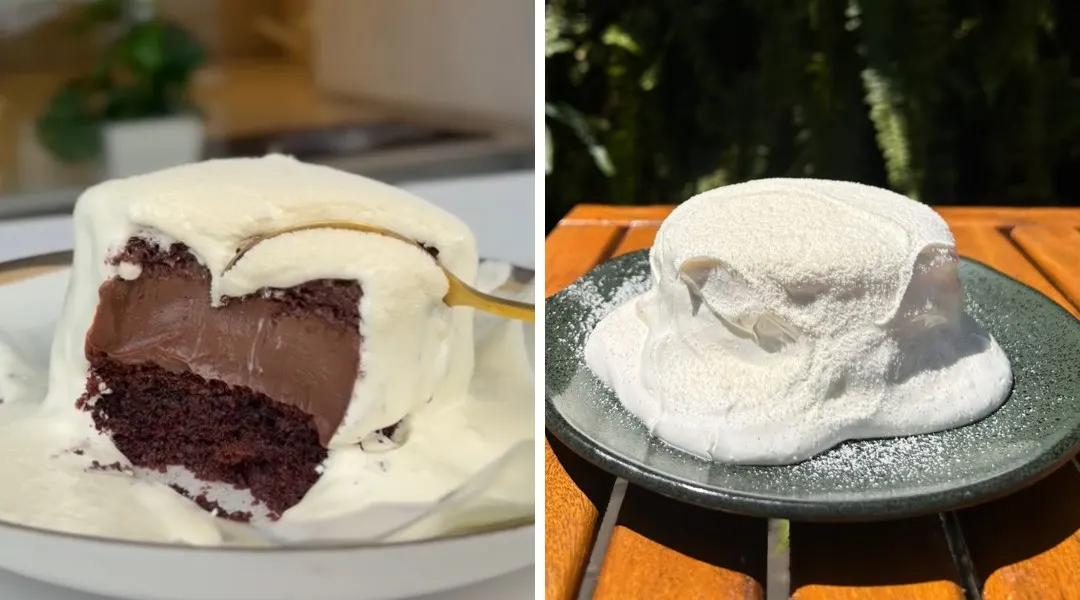
Cloud cake slices from a home kitchen, sold by pickup in Brazil
A fluffy white powdered-milk cream turned plain sponge cake into a viral dessert.
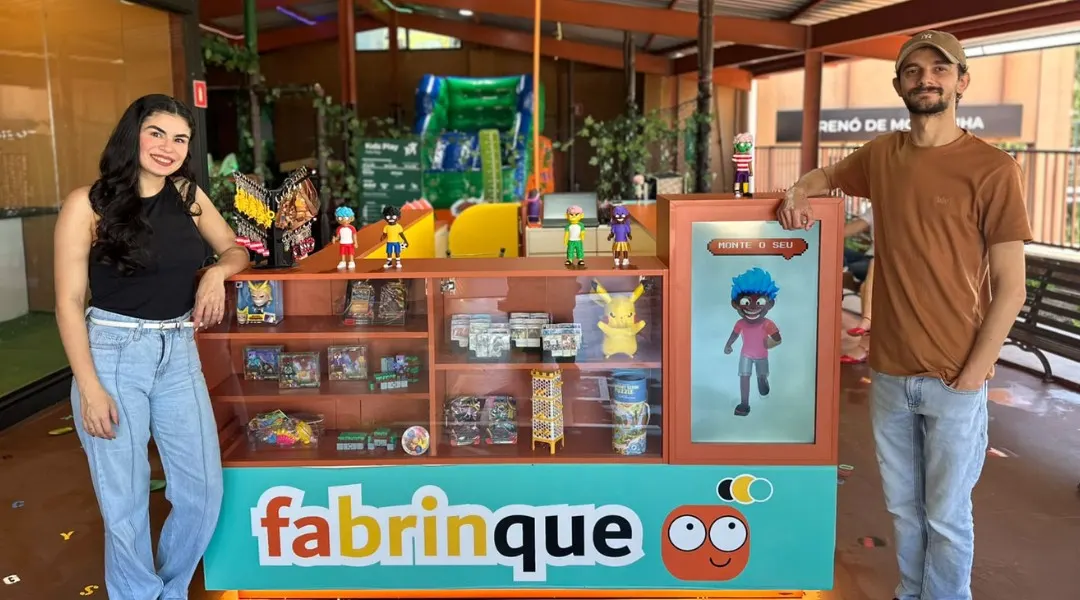
Build-your-own 3D-printed figurine kiosk in a tourist park
Customers pick heads, hair and outfits from wall niches and walk away with a figurine that looks like them.
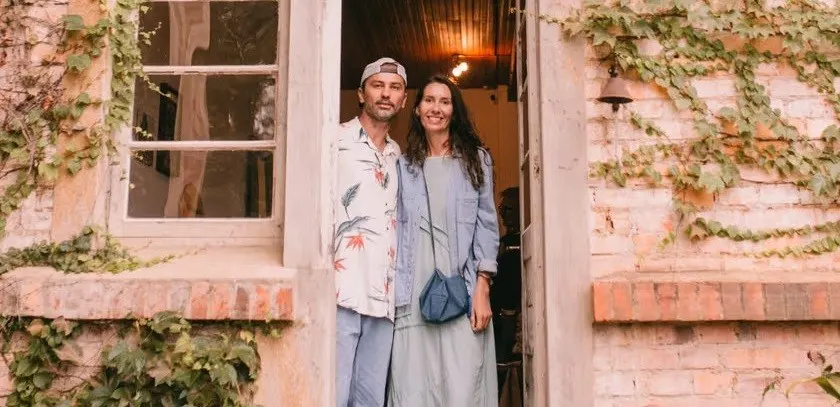
Upcycled denim bags and accessories from factory offcuts in Brazil
Jeans factories throw away tonnes of scraps. A couple in Santa Catarina turned them into bags people queue to buy.
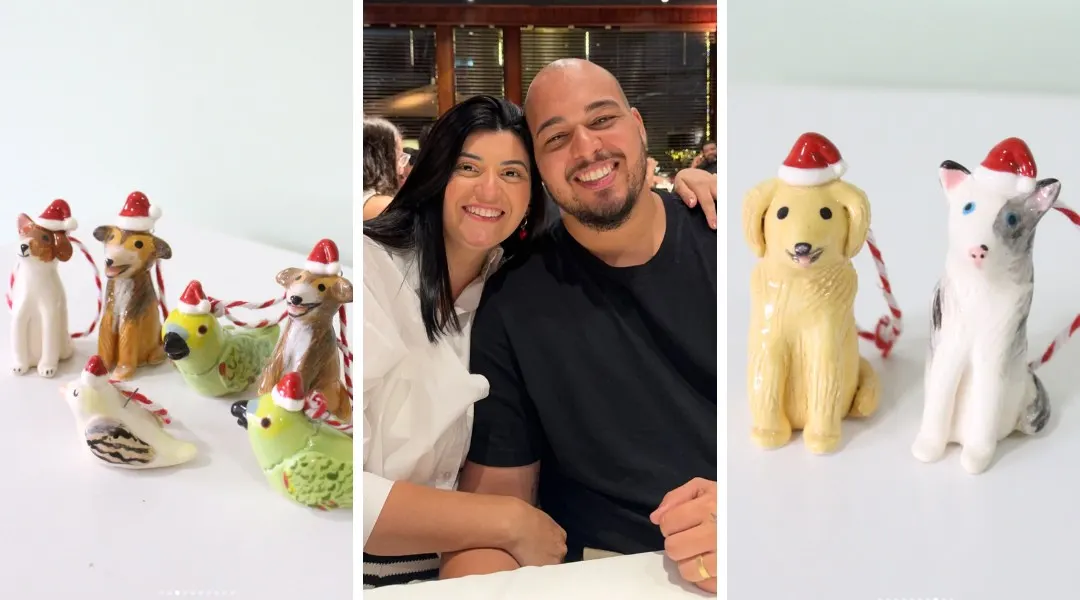
Custom ceramic pet Christmas ornaments made from photos in Rio
Customers send a photo, and their dog or cat becomes a hand-sculpted tree decoration.