
Custom ceramic pet Christmas ornaments made from photos in Rio
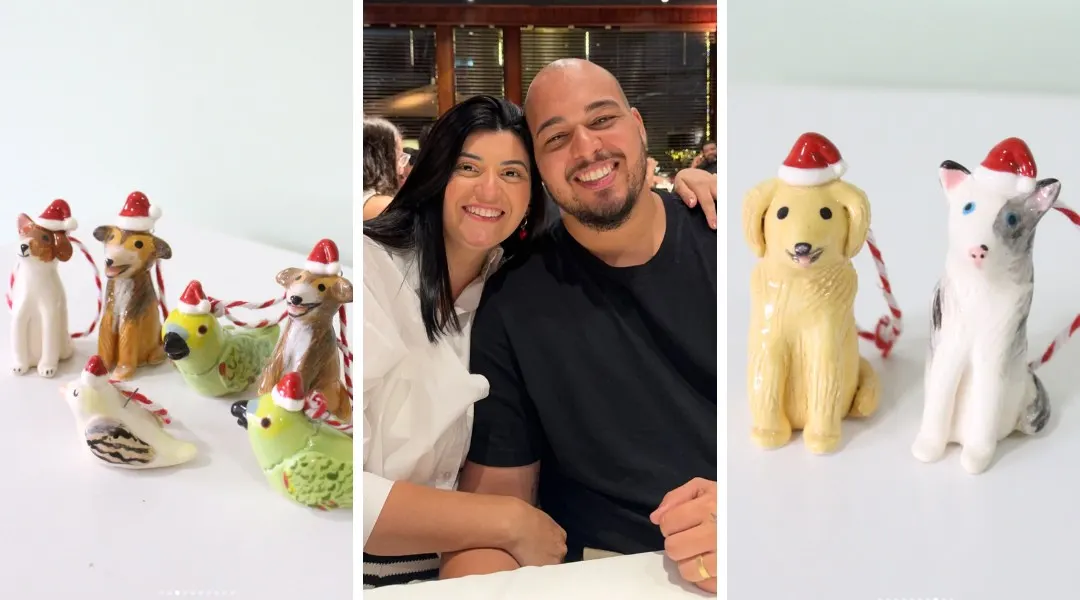
Customers send a photo, and their dog or cat becomes a hand-sculpted tree decoration.
- Startup cost
- $900–3k
- Mid budget · $1k–10k
- Difficulty
- Medium
- Revenue potential
- Side income
- Time to launch
- Months
- Seen in
- Brazil
Costs and revenue are rough estimates based on the source and may differ by country.
A Rio ceramic studio sculpts each customer's pet by hand as a Christmas ornament for about $27, taking orders by photo on Instagram and WhatsApp.
The idea
Querida Cerâmica, a small studio in Rio de Janeiro, turns customers' dogs, cats and birds into Christmas tree ornaments. The customer sends photos by WhatsApp or Instagram. The owner studies the animal's markings, sculpts it entirely by hand, lets it dry, fires it in the kiln, paints it to match the real pet and finishes with glaze. The whole process takes about a month.
Each ornament costs R$150 (roughly $27). Last year the couple behind the studio, Fernanda de Souza Ribeiro and Carlos Augusto Pereira da Silva Júnior, deliberately capped the offer at 40 pieces to test demand, because production is slow. Those orders brought in about R$4,800 (roughly $870). The studio, founded in 2021, has no fixed catalogue: it makes what customers ask for, and the owners say this is what keeps attracting new buyers. It now has around 60,000 followers and no employees, and projects R$325,000 (roughly $59,000) for 2026 across all its products.
Who it fits
This suits a patient person who enjoys working with their hands and can learn to sculpt small animals. Ribeiro had never made a ceramic piece before she took classes near home. Orders are limited and scheduled, so it can run beside a job if you cap the number of pieces, as the couple did. You need a table at home or a shared studio, plus access to a kiln. A partner who handles sales, packing and firing helps a lot. The idea works anywhere people love their pets and decorate a tree: Europe, the Americas, Australia. The same method suits other occasions, such as birthdays or remembrance gifts.
Costs and revenue
The couple spent R$15,000 (roughly $2,700) on a second-hand kiln and materials. A smaller start is possible: expect around $900–3,000 for clay, glazes, brushes, tools, packaging, a few classes and, if you do not buy a kiln, paying a community studio to fire your pieces. These are editorial estimates.
The studio charges about $27 per ornament. Check what buyers in your market pay for personalised gifts and count your hours. If you complete 20–50 ornaments in the season, expect roughly $500–1,500 in peak months, with little income out of season unless you add other personalised items such as mugs or name letters.
Risks and pitfalls
- Likeness. A pet that does not look like the pet disappoints. Ask for several photos and show a progress picture before firing.
- Slow production. One piece takes about a month. Cap orders and close the order book early enough for delivery before Christmas.
- Breakage. Pieces can crack in the kiln or in the post. Make spares and pack in plenty of padding.
- Seasonality. Ornaments sell for a few months only. Add year-round personalised products.
- Underpricing. Hand sculpting is slow. Time one piece from start to finish before setting your price.
How to start
6 stepsTake a hand-building ceramics class and practise sculpting small animals until you can match a photo.
Find a kiln: buy a second-hand one, or rent firing from a community studio to start cheaper.
Buy clay, underglazes, glaze, brushes and padded packaging for a small test batch.
Offer a limited run of about 20–40 ornaments to friends and followers and take orders by photo on WhatsApp.
Set a price from your hours and materials, then set order deadlines well before Christmas.
After the season, add other personalised pieces and ask happy customers to share photos.
More in: Crafts & making
 United States
Hand-printed city maze posters sold at markets and online
Turn a famous city into a puzzle people hang on the wall and gift to friends.
More from this day
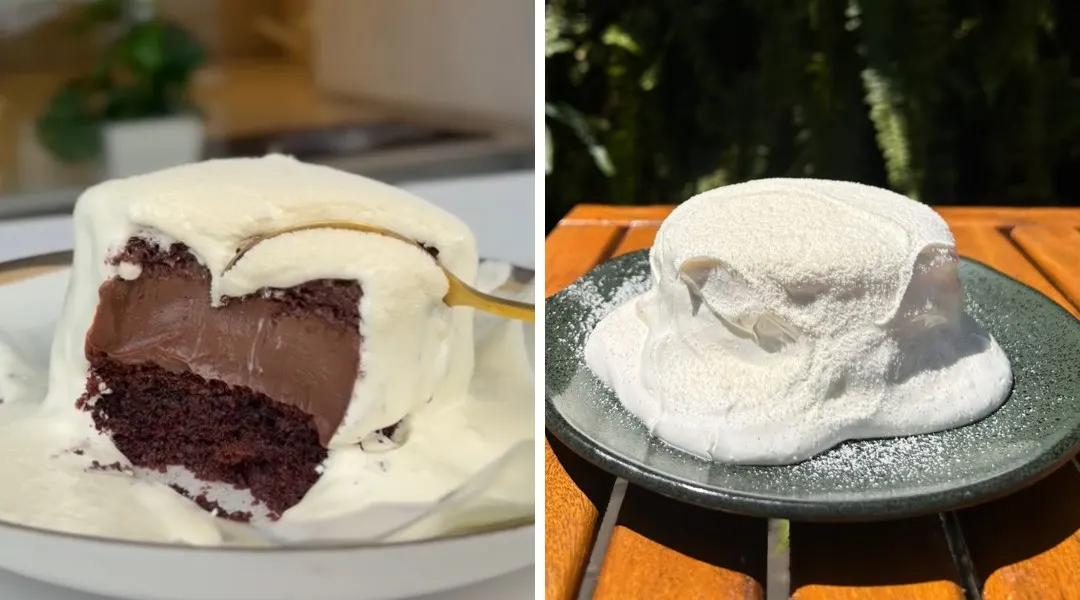
Cloud cake slices from a home kitchen, sold by pickup in Brazil
A fluffy white powdered-milk cream turned plain sponge cake into a viral dessert.

 India
Hand-carved wooden Mukh shuttles for Pashmina weavers in Srinagar
One tiny carved shuttle sits at the heart of every handwoven Pashmina shawl, and almost nobody still makes it.
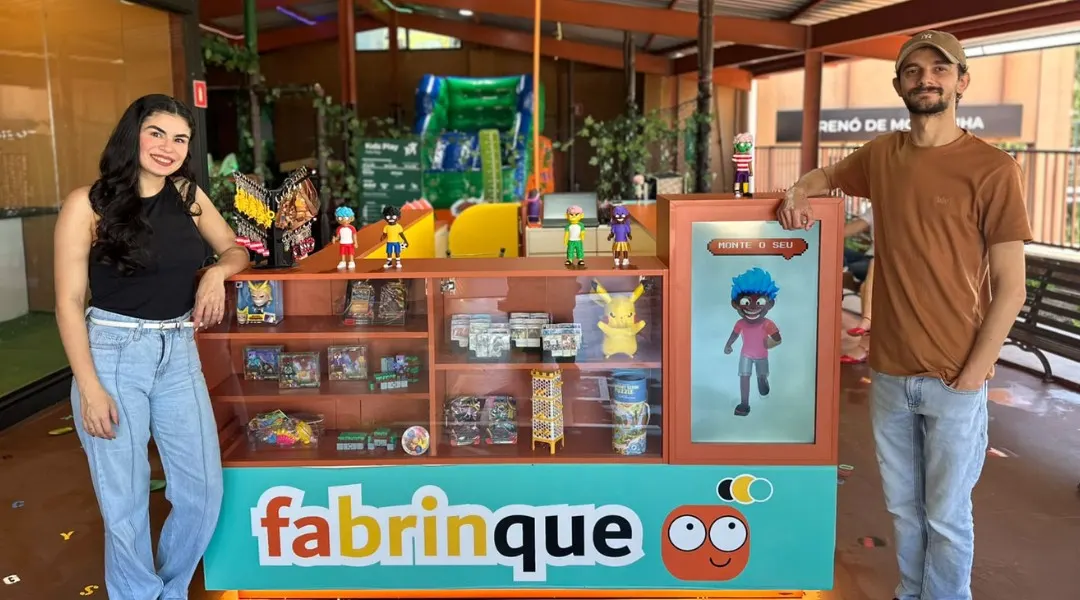
Build-your-own 3D-printed figurine kiosk in a tourist park
Customers pick heads, hair and outfits from wall niches and walk away with a figurine that looks like them.
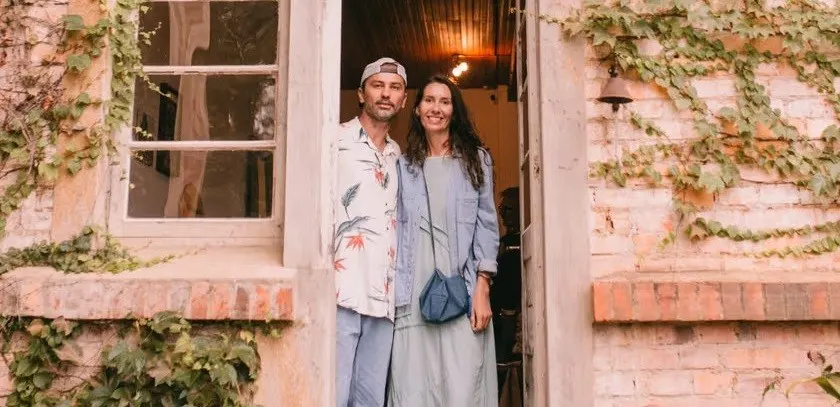
Upcycled denim bags and accessories from factory offcuts in Brazil
Jeans factories throw away tonnes of scraps. A couple in Santa Catarina turned them into bags people queue to buy.