
Upcycled denim bags and accessories from factory offcuts in Brazil
Jeans factories throw away tonnes of scraps. A couple in Santa Catarina turned them into bags people queue to buy.
- Startup cost
- $400–1.5k
- Low budget · under $1k
- Difficulty
- Medium
- Revenue potential
- Full-time living
- Time to launch
- Weeks
- Seen in
- Brazil
Costs and revenue are rough estimates based on the source and may differ by country.
Collect denim offcuts and belt loops from local garment makers, sew them into one-of-a-kind bags and accessories, and sell at fairs and online, as Proposta Verde does in Brazil.
The idea
Garment factories produce large amounts of leftover fabric: denim offcuts, belt loops, trims. You collect these for little or nothing and turn them into distinctive bags, vests, dresses and earrings, sold at local fairs and through an online shop.
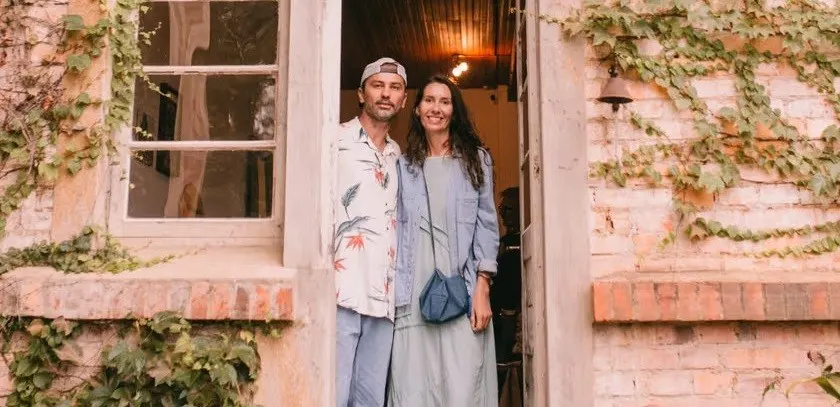
The model is observed at Proposta Verde, a brand in Rio do Sul, Santa Catarina, a major textile region where most companies work with jeans. Founders Ana Suelen Pisetta and João Dolzan Júnior began with demolition-wood furniture in 2008 and later moved to denim waste from the factory Denim Zero, starting with keyrings and moving on to bags. In January 2026 a video showing a bag made from jeans belt loops went viral; the brand says it then billed R$ 30,000 a month for four months. It reports R$ 71,000 for all of 2025 and R$ 180,000 by September 2026. A bag sells for about R$ 350, and about 90% of sales come through its website.
Who it fits
This suits someone who can sew, or who can partner with a seamstress, and has a spare room and a sewing machine. It works beside a job at first: sourcing on weekends, producing in the evenings. The same idea fits any town with garment or denim workshops: Turkey, Bangladesh, Mexico, Portugal, India and many more.
Costs and revenue
Expect roughly $400–1,500 to start: a household or semi-industrial sewing machine, scissors and a cutting mat, thread, zips, lining and packaging, plus a phone for photos and a simple online shop. Material is often free or cheap, but not costless: it must be collected, sorted, washed and cut.
Price by labour and design, not by fabric cost. Bags at around $40–70 and statement pieces at several times that are typical. As an estimate, a part-time maker might earn $300–1,000 a month, and a full-time seller with a good online audience $1,500–3,000 or more.
Risks and pitfalls
- Price pushback: buyers assume waste material means a low price. Show the sorting, cutting and sewing in short videos.
- Uneven supply: offcuts vary in colour and size. Build designs around patchwork and keep a stock of several sources.
- Slow production: each piece is handmade. Standardise a few bestsellers and make one-offs at higher prices.
- Plain clothing competition: you cannot beat mass retailers on basics, so sell distinctive designs.
- Dependence on one viral moment: build an email or messaging list and keep posting.
How to start
6 stepsVisit local jeans and garment workshops and ask what offcuts, belt loops and trims they discard.
Buy a sturdy sewing machine, cutting tools and basic fittings, then sew five test bags from different scraps.
Photograph and film your process, then open a simple online shop and an Instagram or TikTok account.
Sell at craft fairs and markets to test prices and learn which designs draw attention.
Price on labour, packaging and shipping, not on fabric, and keep a small range of repeatable bestsellers.
Once orders grow, bring in a seamstress or a local women's sewing group to produce more.
More in: Crafts & making
 United States
Hand-printed city maze posters sold at markets and online
Turn a famous city into a puzzle people hang on the wall and gift to friends.
More from this day
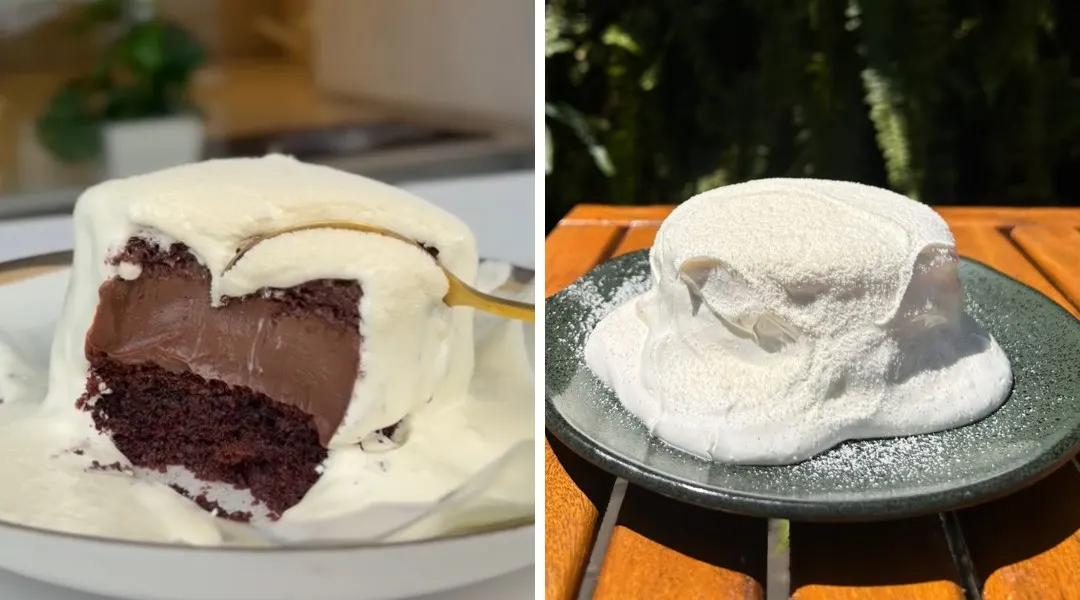
Cloud cake slices from a home kitchen, sold by pickup in Brazil
A fluffy white powdered-milk cream turned plain sponge cake into a viral dessert.

 India
Hand-carved wooden Mukh shuttles for Pashmina weavers in Srinagar
One tiny carved shuttle sits at the heart of every handwoven Pashmina shawl, and almost nobody still makes it.
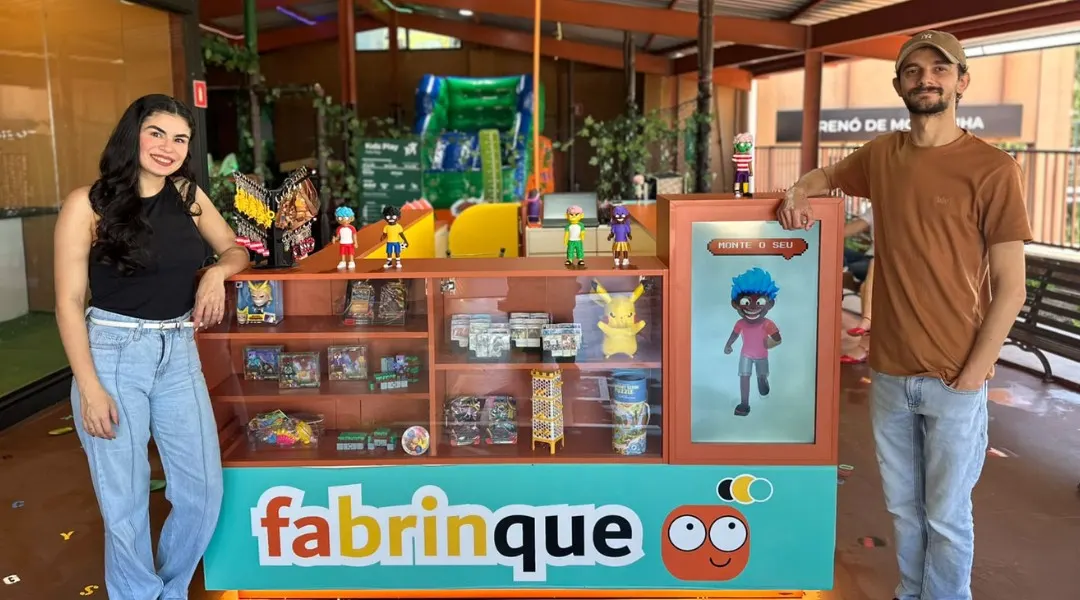
Build-your-own 3D-printed figurine kiosk in a tourist park
Customers pick heads, hair and outfits from wall niches and walk away with a figurine that looks like them.
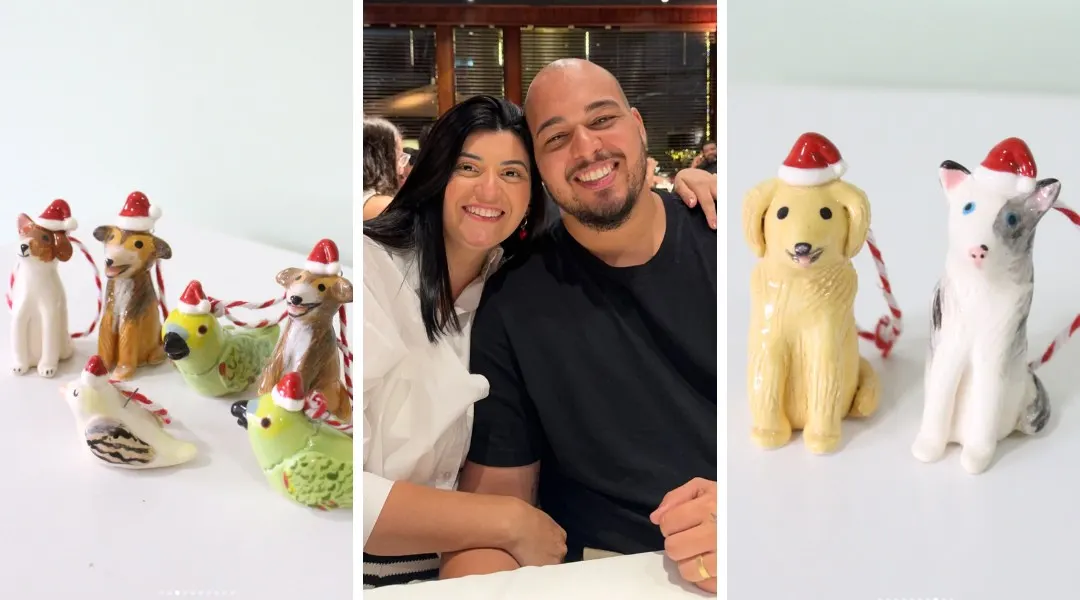
Custom ceramic pet Christmas ornaments made from photos in Rio
Customers send a photo, and their dog or cat becomes a hand-sculpted tree decoration.