
Build-your-own 3D-printed figurine kiosk in a tourist park
Customers pick heads, hair and outfits from wall niches and walk away with a figurine that looks like them.
- Startup cost
- $4k–10k
- Mid budget · $1k–10k
- Difficulty
- Medium
- Revenue potential
- Full-time living
- Time to launch
- Months
- Seen in
- Brazil
Costs and revenue are rough estimates based on the source and may differ by country.
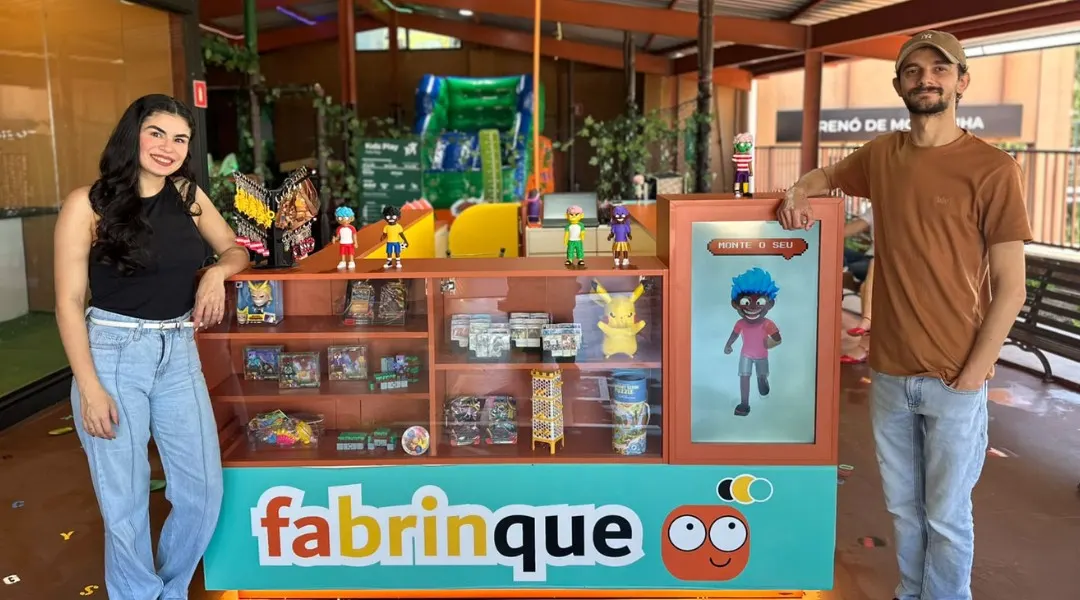
A couple in Campos do Jordão, Brazil, sells magnetic 3D-printed figurines that customers assemble themselves at a park kiosk, at an average ticket of about $18.
The idea
Fabrinque, run by engineers Thiago Vinicius de Matos Silva and Uliana Franco Medina Procópio, sells collectible figurines that the customer designs on the spot. At its kiosk in Parque Capivari, in Campos do Jordão (São Paulo state, Brazil), parts are displayed in niches: heads, hair, shirts, arms, underwear and legs. Each head comes in four expressions and five colours. The owners say this gives over 2 million combinations. Magnets hidden inside the pieces let people snap parts together and swap them again and again until they like the result.
The business reports an average ticket of R$ 99 (roughly $18). In five months, from May to October, it billed about R$ 100,000, with R$ 40,000 in July, the cold-weather tourist peak. Children were expected buyers, but teenagers, couples and older people also buy a figurine of themselves.
The parts are printed in corn-starch filament on 3D printers, from digital models designed so every piece fits every other.
Who it fits
This suits a person or couple with some comfort in 3D modelling and printing, patience for repetitive print runs and a talent for talking to families. It is a full-time activity at the kiosk, though printing can run overnight. The same model could work in any place with steady visitors: lake promenades, old towns, zoos, seaside piers or shopping centres. The owners have now added online sales, because buyers return wanting more parts.
Costs and revenue
The couple invested R$ 80,000 (about $15,000), including company registration, a carpentry-built kiosk, park contracts and two extra printers on top of four they owned. A smaller start is possible: expect roughly $4,000–10,000 for two or three printers, filament, magnets, display niches, a stall and the first rental deposit. These are editorial estimates.
If you sell around 150–300 figurines a month at $15–20, expect roughly $2,500–5,500 in sales in a busy month and far less off-season. Filament is cheap, but your time and the site rent are the main costs.
Risks and pitfalls
- Seasonality: sales concentrate in cold or holiday months. Add online orders for extra parts and plan cash for slow months.
- Site contract: parks may charge rent like a shopping centre. Negotiate a trial period or a percentage model.
- Production bottleneck: magnets must be inserted by hand mid-print. Build stock before peaks.
- Fit errors: a fixed standard skeleton keeps parts compatible, so test every new design before selling.
- Design rights: keep your own original style, not licensed characters.
How to start
6 stepsTest a few modular figurine designs with a standard body and magnets, and have friends' children try swapping parts.
Buy two or three 3D printers, corn-starch filament in many colours, small magnets and modelling software.
Ask a park, promenade or mall for a kiosk or stall space and register your business as local rules require.
Build a wall display with one niche per part and let customers mix pieces freely before buying.
Price a complete figurine around $15–20 and sell extra parts, so buyers come back to change their figure.
Add a simple online shop for spare parts and test rentals of an assembly play area at kids' venues.
More in: Crafts & making
 United States
Hand-printed city maze posters sold at markets and online
Turn a famous city into a puzzle people hang on the wall and gift to friends.
More from this day
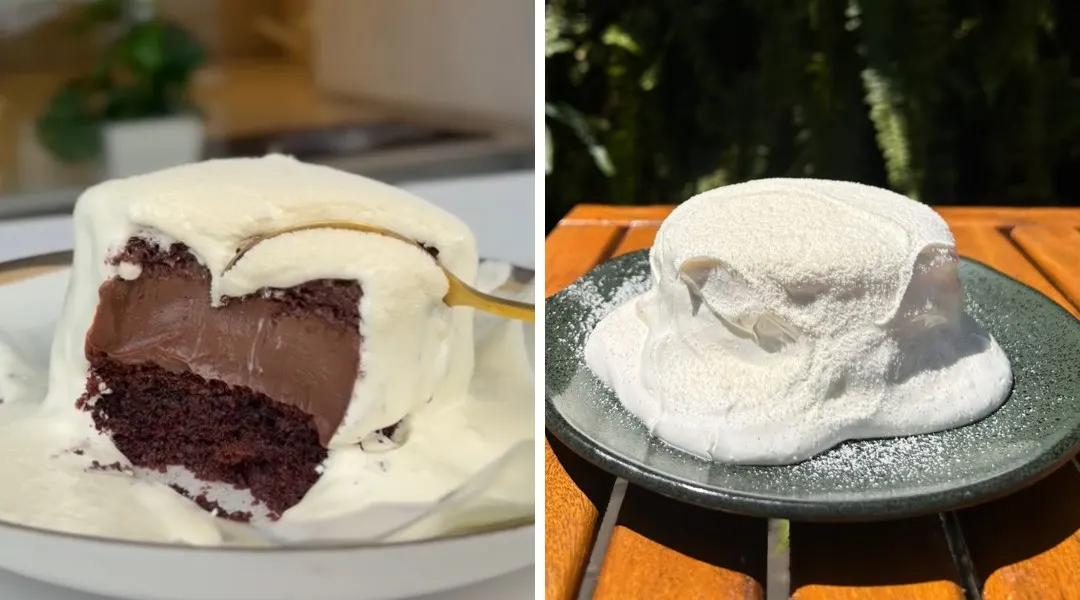
Cloud cake slices from a home kitchen, sold by pickup in Brazil
A fluffy white powdered-milk cream turned plain sponge cake into a viral dessert.

 India
Hand-carved wooden Mukh shuttles for Pashmina weavers in Srinagar
One tiny carved shuttle sits at the heart of every handwoven Pashmina shawl, and almost nobody still makes it.
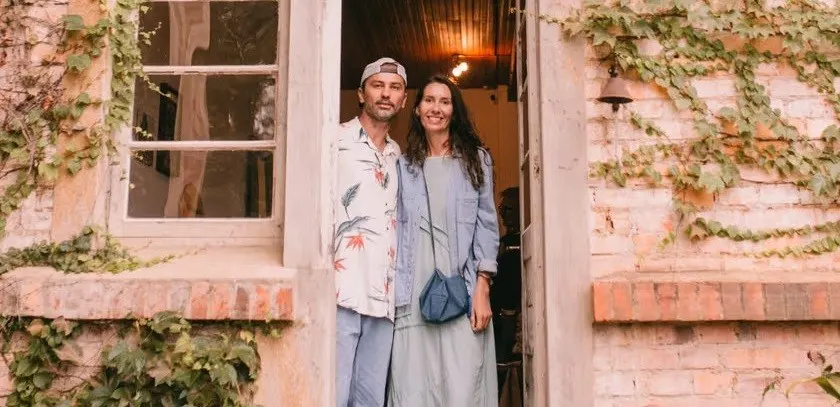
Upcycled denim bags and accessories from factory offcuts in Brazil
Jeans factories throw away tonnes of scraps. A couple in Santa Catarina turned them into bags people queue to buy.
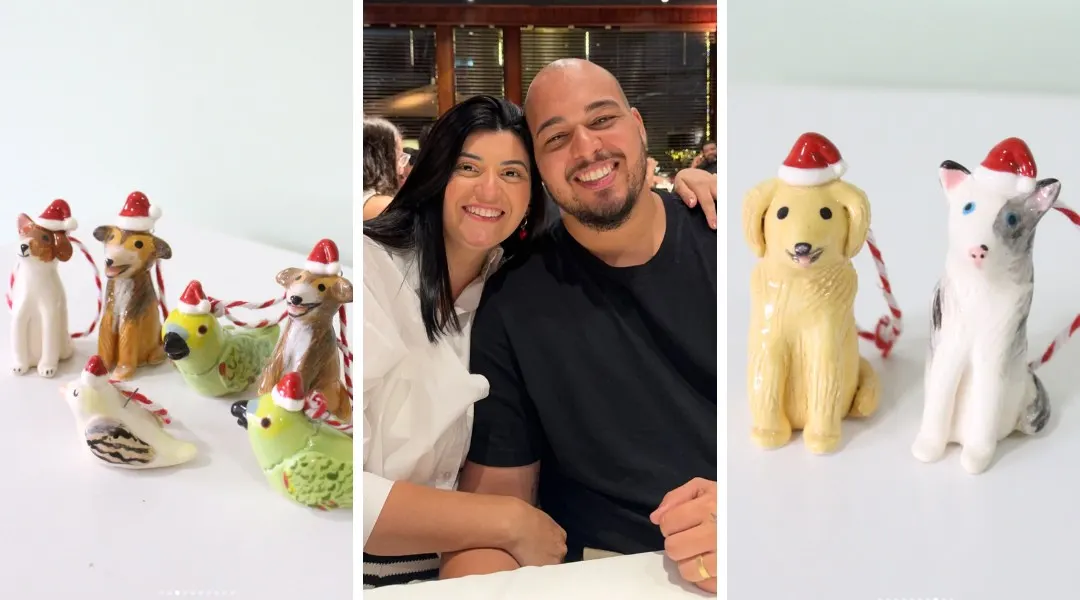
Custom ceramic pet Christmas ornaments made from photos in Rio
Customers send a photo, and their dog or cat becomes a hand-sculpted tree decoration.