
Hand-printed city maze posters sold at markets and online
Turn a famous city into a puzzle people hang on the wall and gift to friends.
- Startup cost
- $300–900
- Low budget · under $1k
- Difficulty
- Medium
- Revenue potential
- Side income
- Time to launch
- Weeks
- Seen in
- United States
Costs and revenue are rough estimates based on the source and may differ by country.
A designer who loves maps and art hand-prints mazes that wind through the hearts of iconic cities. One person can sell them at markets, online and in local shops.
The idea
A designer in the US combined two passions, maps and art, to make hand-printed mazes that zig-zag through the centres of well-known cities. Each poster is part map, part puzzle: the route winds past recognisable landmarks, so people can trace a city they love, or one they visited, with a finger. According to the show that featured it, the work runs as a side hustle alongside a job.
The product makes money in three ways: selling prints at markets, selling online, and supplying local shops such as gift stores, bookshops and museum or tourist stores. The appeal is that it is decorative, personal and a little playful, which makes it an easy gift.
Who it fits
This suits someone with a feel for drawing or graphic design and patience for detail. You need a table or corner at home for printing and storage, and evenings or weekends. It works beside a job because you can make prints in batches and sell on market days.
It would work anywhere with tourists, students or people proud of their home town: Lisbon, Istanbul, Edinburgh, Kyoto. Start with your own city, because locals buy it as a souvenir and a gift.
Costs and revenue
The source gives no figures, so these are rough editorial estimates. Expect around $300 to $900 to start: paper, block-printing or screen-printing supplies, a basic design tool, packaging tubes or sleeves, a market table and fees for the first stalls.
Typically small prints sell for about $15 to $30 and larger ones for $40 to $80, depending on size and paper. Wholesale to shops is usually about half the retail price. A realistic part-time result is perhaps $200 to $1,000 a month, more in the gift season.
Risks and pitfalls
- Slow production: hand printing limits output. Offer a few sizes, and consider a digital print run for cheaper versions.
- Copyright: do not copy existing maps or logos. Draw your own routes from public information and check local rules on landmark images.
- Seasonality: sales peak around holidays and tourist months. Plan stock early and sell cards or small prints off-peak.
- Low market footfall: test a few markets and keep those with art-minded buyers.
- Shipping damage: use rigid tubes or flat mailers.
How to start
6 stepsDraw a maze for your own city and test it on ten friends to see if the route and landmarks feel fun.
Buy printing supplies, good paper and tubes, and print a first batch of 20 to 30 posters in two sizes.
Book two or three local craft markets and open an online shop for the same designs.
Show prints to gift shops and bookshops, offering a wholesale price of about half the retail price.
Set prices by size and paper, and track which designs and sizes sell fastest.
Add a second city each time one design sells well, and offer personalised hometown mazes.
More in: Crafts & making
 Brazil
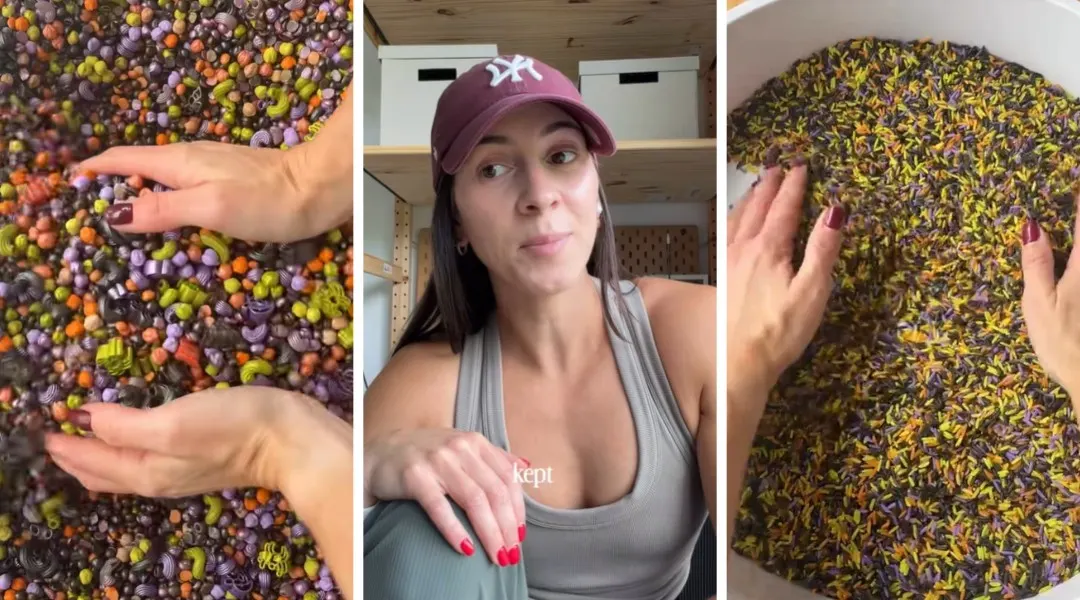
Coloured rice sensory play kits made in a home kitchen, Brazil
A bag of pantry rice and food colouring bought one mother an hour of peace, then a paying online shop.
 India
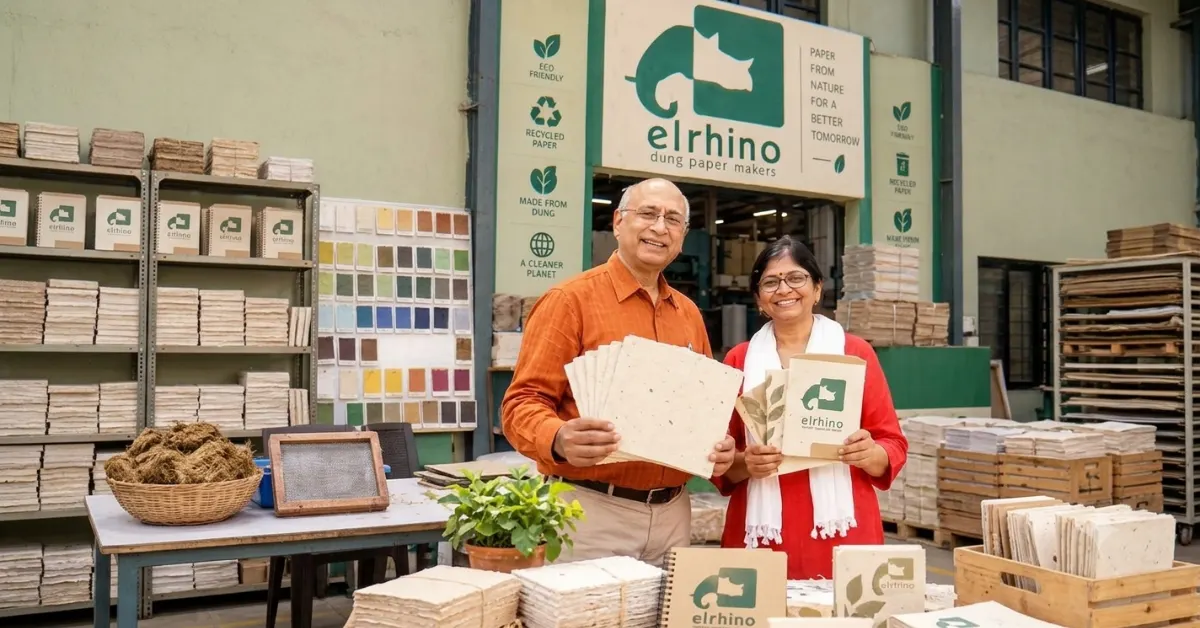
Handmade notebooks from elephant and rhino dung paper in Assam
A kitchen blender, window screens and wildlife dung can become a notebook that tourists happily pay extra for.
More from this day
Hand-pollinating tomato plants for home growers and greenhouses
Indoor tomatoes need a shake to set fruit, and some growers will pay someone else to do it.
 Mexico
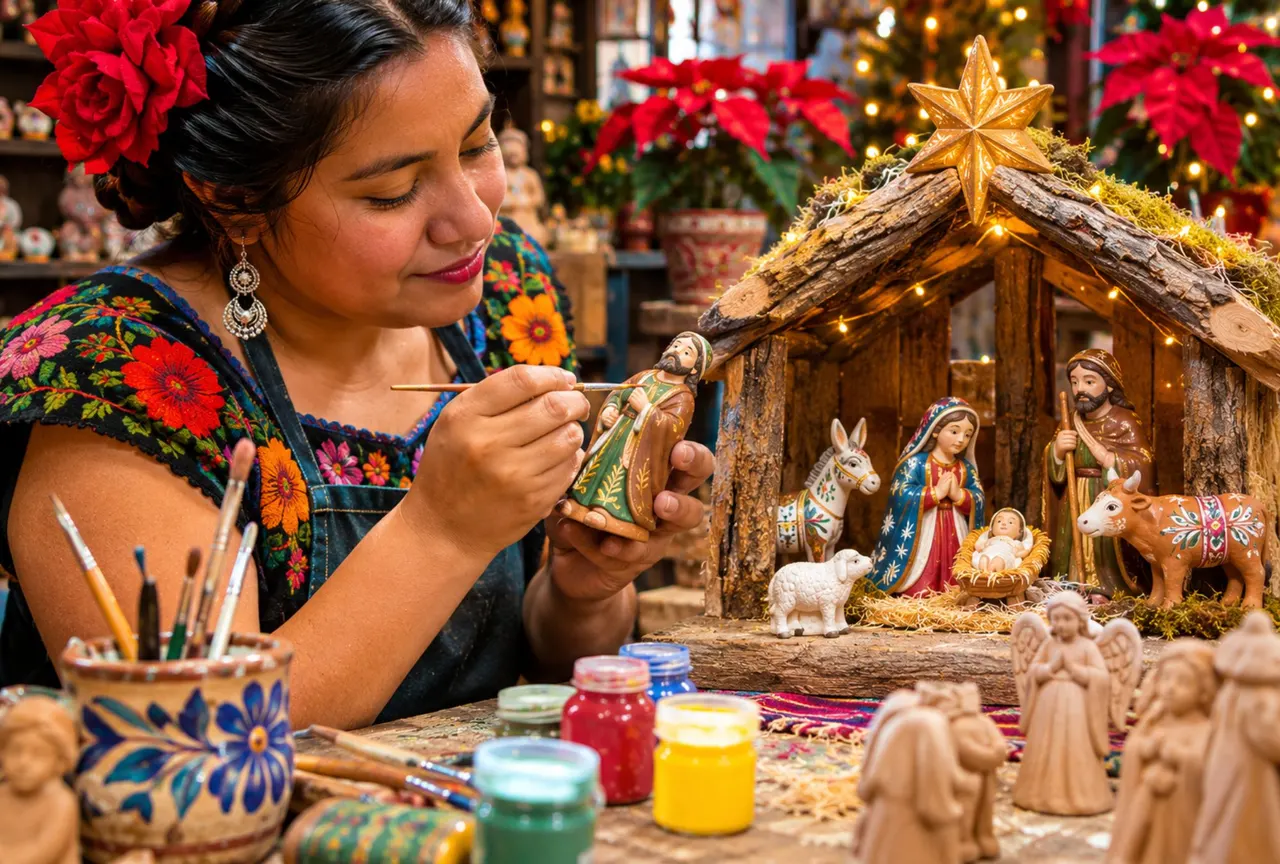
Handmade Christmas nativity scenes sold at Mexican bazaars
A centuries-old Christmas tradition that families still pay to put on their table, made with wood, clay or card.
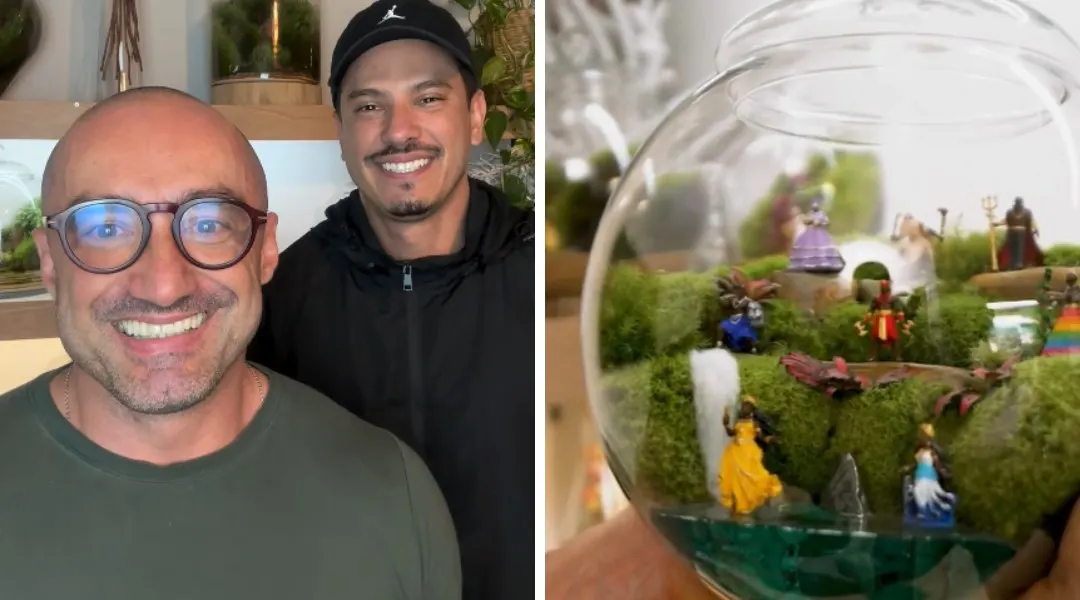
Themed glass terrariums with axé motifs from a home workshop
A couple turned a tiny "planet in a glass" into a brand by adding Afro-Brazilian axé themes.
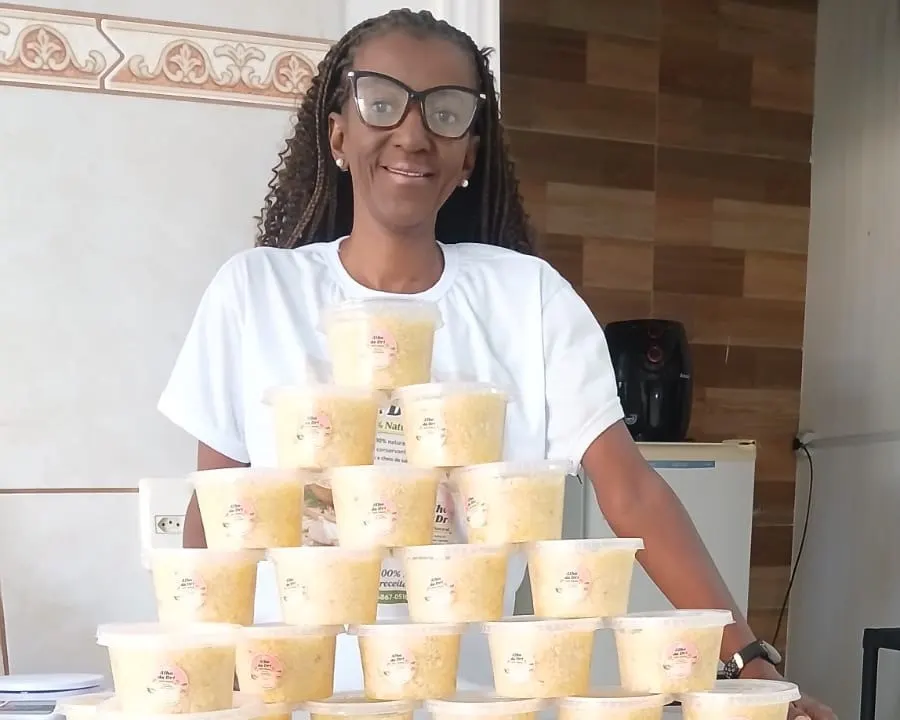
Chopped garlic by weight from a home kitchen in Nilópolis, Brazil
She swapped manicures for peeled, chopped garlic and now buys up to 90 kg of raw garlic a week.