
Themed glass terrariums with axé motifs from a home workshop
A couple turned a tiny "planet in a glass" into a brand by adding Afro-Brazilian axé themes.
- Startup cost
- $150–800
- Low budget · under $1k
- Difficulty
- Easy
- Revenue potential
- Side income
- Time to launch
- Weeks
- Seen in
- Brazil
Costs and revenue are rough estimates based on the source and may differ by country.
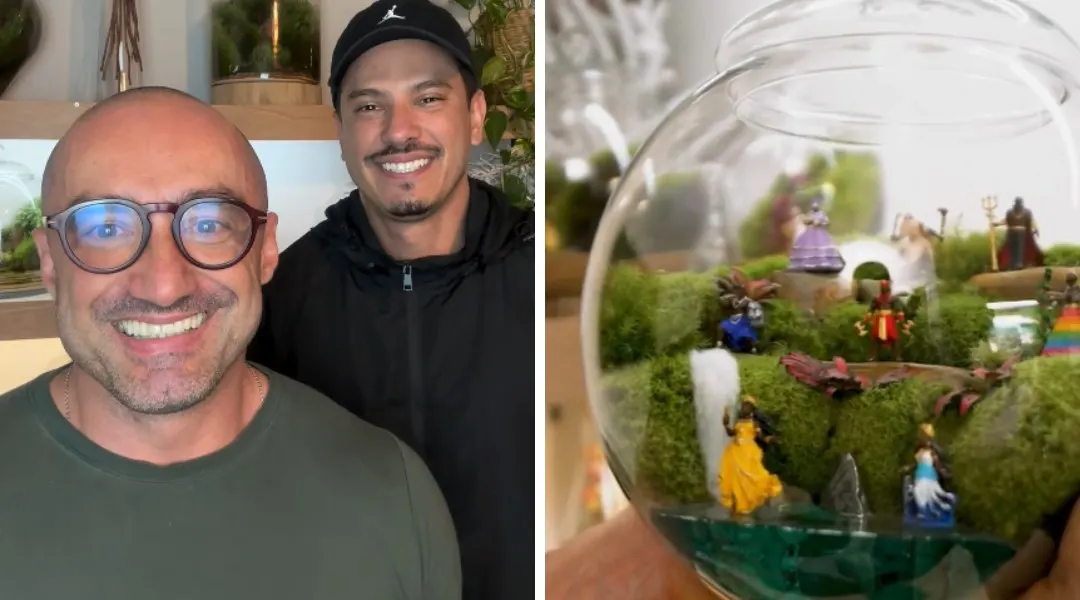
Make glass terrariums with axé-inspired scenes at home and sell them as gifts and décor, as a couple in São Paulo does with their brand Estúdio Terrário.
The idea
A terrarium is a miniature garden built inside glass, often called a "planet in a glass". Edu Santana and Will Souza, founders of Estúdio Terrário, sell theirs with a twist: terrariums themed around axé, a cultural universe with Afro-Brazilian roots. Customers are not just buying a plant. They are buying a handmade, symbolic object to give or display.
According to the business, the idea started when Souza was selling online courses, one of them about terrariums. Santana bought it, learned the process and made his neighbours his first customers. The couple had just moved from Florianópolis to São Paulo and needed an income. The business reports about R$ 100,000 (roughly $18,000) in revenue after its work went viral with the singer Anitta; no further detail on the period was given.
Who it fits
This suits one person or a couple with patience and a feel for small, detailed handwork. You need a table, good light and a corner for supplies, so a spare room works. It runs well beside a job, because pieces are made in batches and sold by order. You can learn the technique from an online course, as Santana did. The same model works anywhere with a strong local culture to illustrate: carnival, folk art, football or regional landscapes.
Costs and revenue
The following are editorial estimates, not figures from the business. Expect roughly $150–800 to start: glass containers, drainage gravel, charcoal, substrate, moss, small plants, miniature figures, tweezers and long spoons, plus packaging and a phone for photos.
Price by size and detail. Typically a small piece might sell for $15–60, and a custom commission for more. Selling 20–40 pieces a month would give around $300–1,500 in revenue before materials and fees. A viral moment can lift that sharply, but it should not be your plan.
Risks and pitfalls
- Cultural respect: axé themes carry religious and cultural meaning. Research the symbols, work with people from the culture and avoid caricature.
- Fragile goods: glass breaks in transit. Use thick padding, test-ship to yourself and offer local pickup.
- Living plants: closed terrariums can rot or grow mould. Choose suitable plants, balance moisture and include simple care instructions.
- Attention-driven demand: one viral post is luck. Build repeat sales with gifts, events, workshops and custom orders.
- Time per piece: detailed work is slow. Track hours so the price pays for your time.
How to start
6 stepsTake a short terrarium course and build three test pieces to master layers, plants and sealing.
Choose one theme and research its symbols, colours and meaning with people from that culture.
Buy glass, substrate, moss and miniatures in small quantities from local garden and craft suppliers.
Film the making of each piece and post it; offer neighbours and friends the first pieces at a launch price.
Set prices from materials plus hours worked, and add custom orders for gifts and events.
Pack with thick padding, test shipping, then add workshops or a small online shop.
More in: Crafts & making
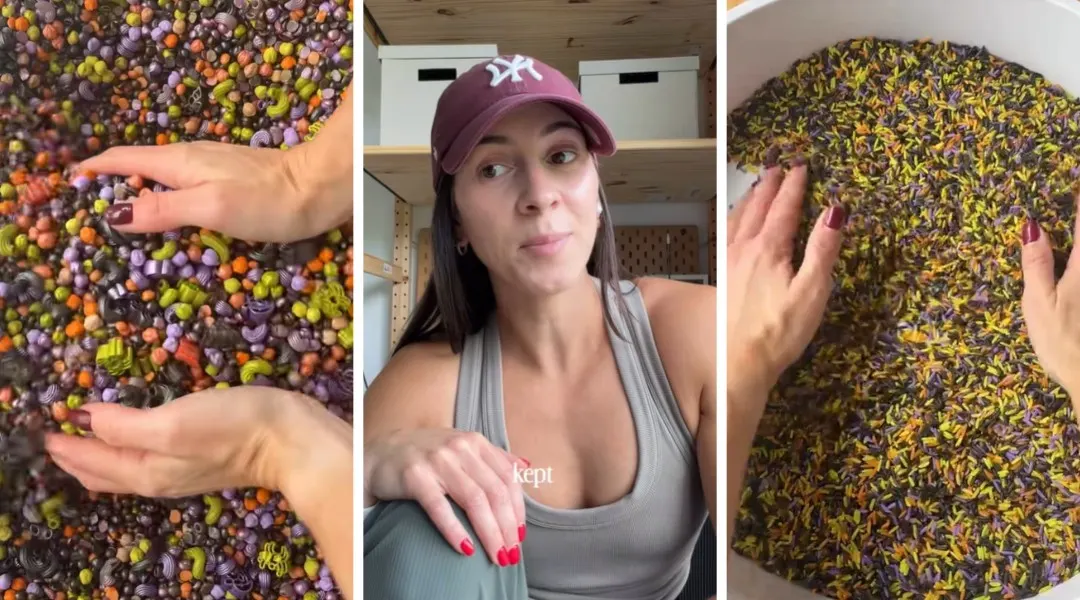
Coloured rice sensory play kits made in a home kitchen, Brazil
A bag of pantry rice and food colouring bought one mother an hour of peace, then a paying online shop.
 India
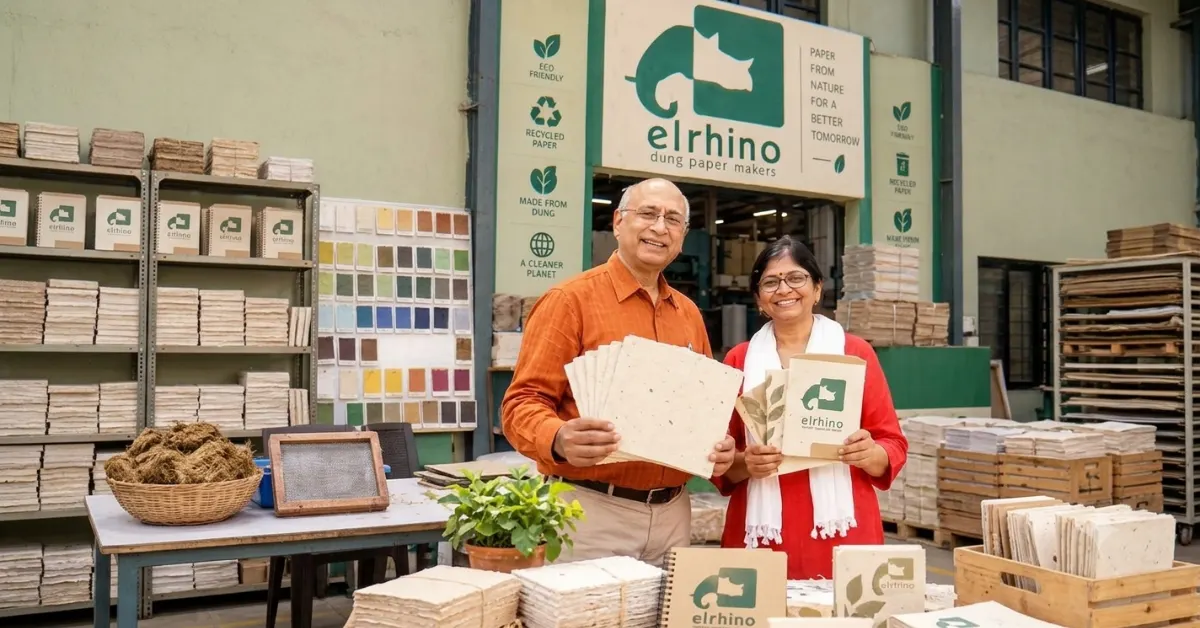
Handmade notebooks from elephant and rhino dung paper in Assam
A kitchen blender, window screens and wildlife dung can become a notebook that tourists happily pay extra for.
More from this day
 United States
Hand-printed city maze posters sold at markets and online
Turn a famous city into a puzzle people hang on the wall and gift to friends.
Hand-pollinating tomato plants for home growers and greenhouses
Indoor tomatoes need a shake to set fruit, and some growers will pay someone else to do it.
 Mexico
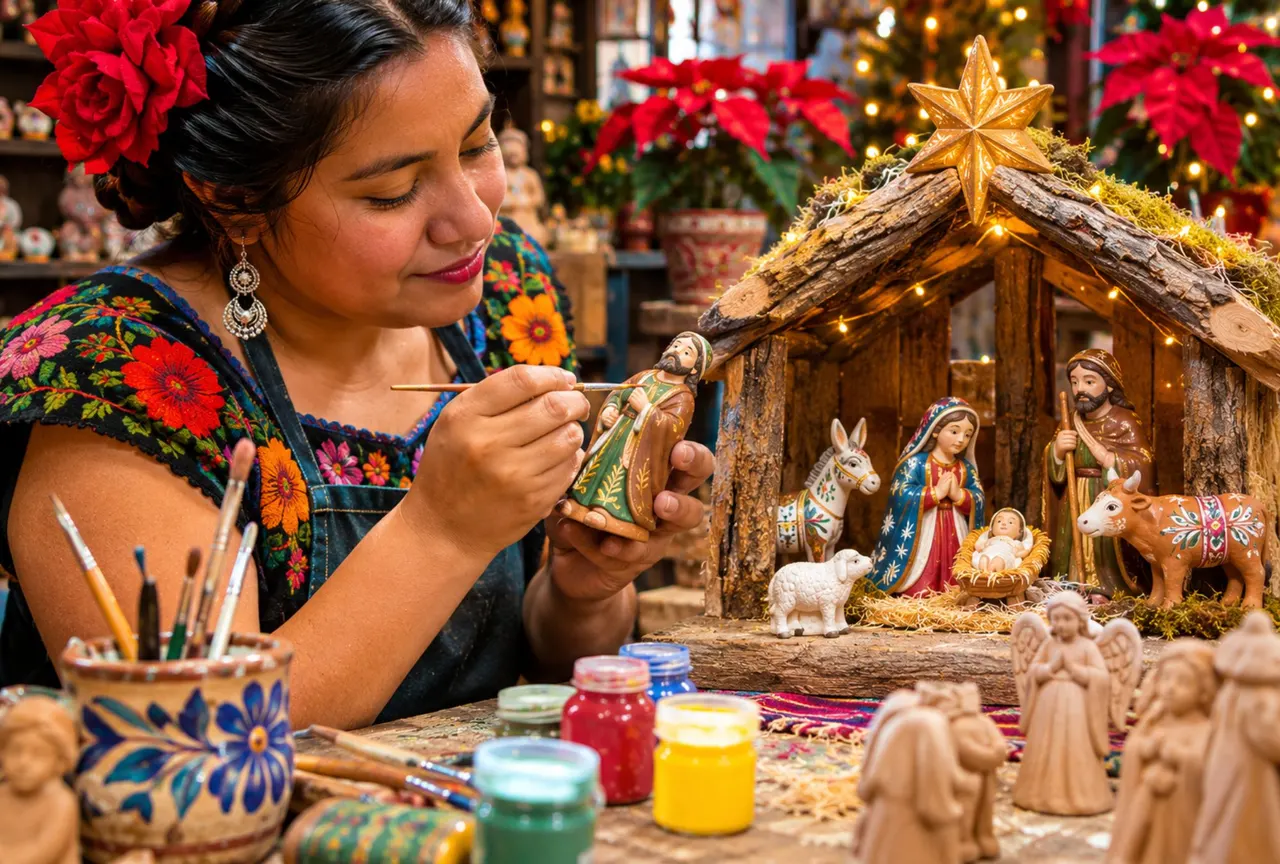
Handmade Christmas nativity scenes sold at Mexican bazaars
A centuries-old Christmas tradition that families still pay to put on their table, made with wood, clay or card.

Chopped garlic by weight from a home kitchen in Nilópolis, Brazil
She swapped manicures for peeled, chopped garlic and now buys up to 90 kg of raw garlic a week.