
Coloured rice sensory play kits made in a home kitchen, Brazil
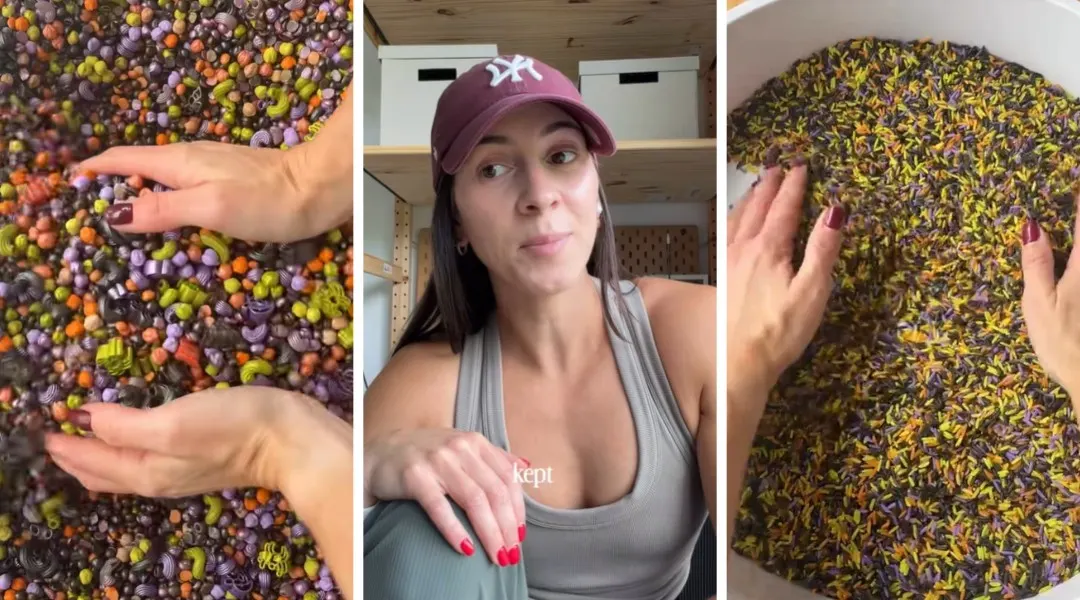
A bag of pantry rice and food colouring bought one mother an hour of peace, then a paying online shop.
- Startup cost
- $100–500
- Low budget · under $1k
- Difficulty
- Easy
- Revenue potential
- Side income
- Time to launch
- Days
- Seen in
- Brazil
Costs and revenue are rough estimates based on the source and may differ by country.
Dye ordinary rice with food colouring, pack it into sensory play kits and sell to parents and kindergartens online, starting from your own kitchen table.
The idea
Sensory play kits let small children scoop, pour and sort coloured material instead of watching a screen. The simplest kit is rice dyed with food colouring, packed in a bag or tub. Parents buy it for calm, screen-free time at home, and kindergartens can buy it for activity tables.
The idea is seen in Brazil and was made popular by Juliana Blois, a mother who dyed pantry rice during the pandemic to keep her toddler busy while a newborn slept. The girl played for more than an hour. Blois listed a few bags on Facebook Marketplace, and other parents asked for more, such as homemade play dough kits. She then opened an Etsy shop. According to her account, she reached about US$6,300 in sales in a single month around late 2021 and has sold more than 10,000 sensory mixes. In 2023 she narrowed her range to mixes and fillers only, which she says helped growth. She started on her kitchen table.
Who it fits
This suits a parent, a carer or a crafty person with a kitchen, a few hours a week and a phone for photos and short videos. It works beside a job or childcare, since batches can be made in an evening and dried overnight. It would work in any country where families buy educational toys and where rice or another cheap dry base is easy to find.
Costs and revenue
Expect roughly $100–$500 to start: rice, food colouring, resealable bags or tubs, labels, small scoops and a few cheap themed add-ons. These are editorial estimates, not figures from the source.
Price by the kit or by the colour theme, for example a rainbow bag or a seasonal mix. Ingredient cost per kit is tiny, so most of your margin goes on packaging, platform fees and postage. A part-time seller can typically expect around $200–$1,500 a month, and a well-run online shop with strong content may go higher. Blois's best reported month is an exception, not a promise.
Risks and pitfalls
- Safety: Sensory play must be supervised and only for children who no longer put objects in their mouths. Print this clearly on every label.
- Food waste criticism: Some people object to using rice for play. Offer a non-food base option and explain your choice openly.
- Mould and damp: Dry the rice fully and store it sealed so it does not spoil on the way to customers.
- Crowded market: Many people can copy the recipe. Stand out with colour palettes, themes and clear tutorials.
- Too many products: Blois says a wide range pulled her attention away. Keep the line short and focused.
How to start
6 stepsTest a few colours at home and see how long children stay engaged and how long the rice takes to dry.
Buy rice, food colouring, resealable bags or tubs and labels in small batches to keep upfront spending low.
Write a safety label: adult supervision, no mouthing, not for toddlers who eat objects, and a note on food use.
Photograph and film the kits, then list them on a local marketplace or an online craft shop.
Offer a few themes and price by kit, checking that postage and packaging still leave margin.
Approach local kindergartens and parent groups with bulk packs, then narrow your range to what sells best.
More in: Crafts & making

Paid pumpkin carving for Halloween parties and offices
Two Halloween fans turned a seasonal hobby into paid work, with single pumpkins fetching as much as $700.
More from this day
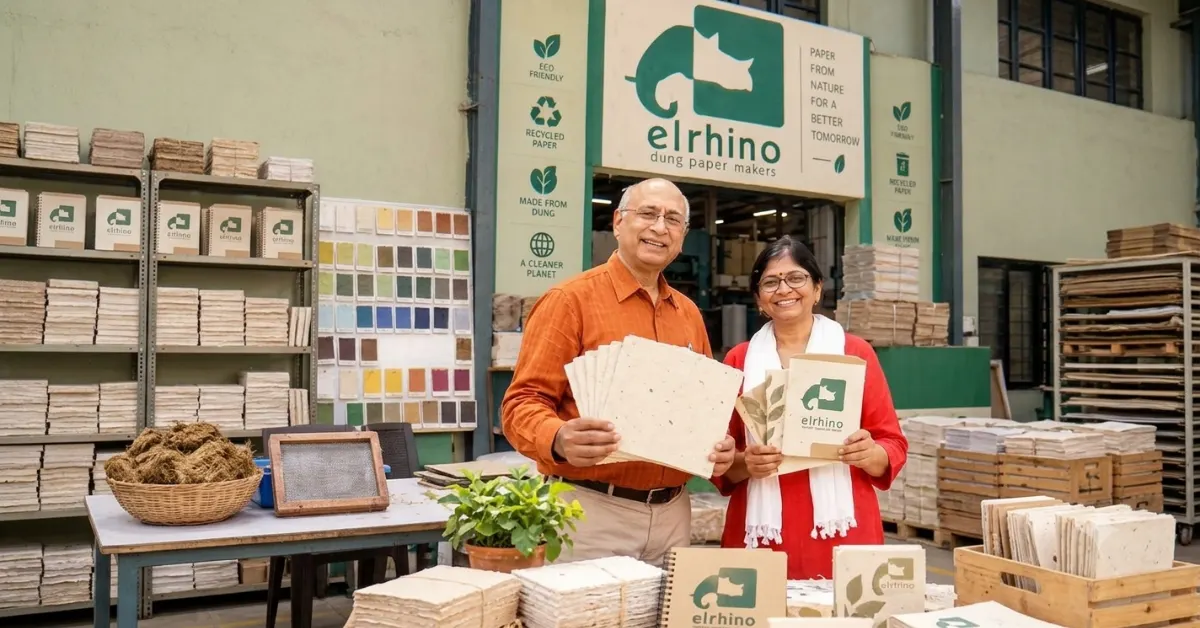

Handmade notebooks from elephant and rhino dung paper in Assam
A kitchen blender, window screens and wildlife dung can become a notebook that tourists happily pay extra for.
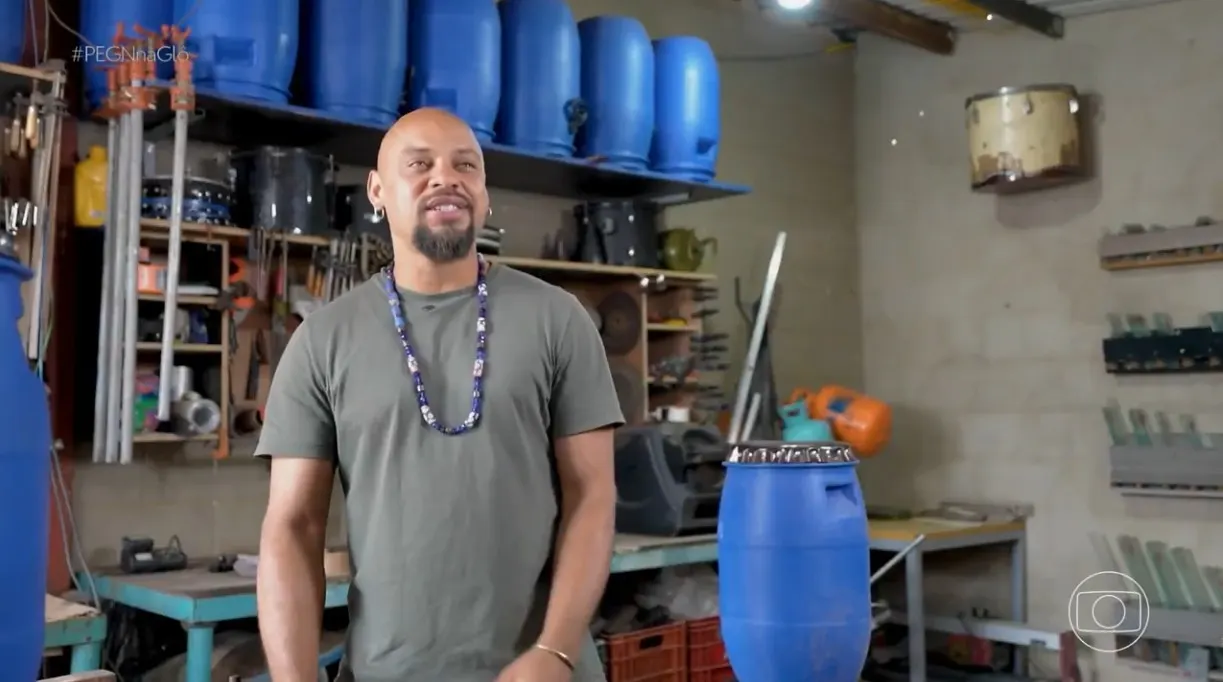
Scrap-built drums and instruments sold from a home workshop in Brazil
A music student with no budget turned plastic drums and bottle skins into a business earning about R$ 20,000 a month.
Free chalkboards for restaurants paid by local advertisers
Give a restaurant a free specials board, then sell the strip along the bottom to neighbouring businesses.
Plush human-organ toys sold to schools and parents in the US
Soft hearts, lungs and stomachs let children learn anatomy by hugging the body part they are studying.