
Handmade Christmas nativity scenes sold at Mexican bazaars
A centuries-old Christmas tradition that families still pay to put on their table, made with wood, clay or card.
- Startup cost
- $100–600
- Low budget · under $1k
- Difficulty
- Easy
- Revenue potential
- Side income
- Time to launch
- Weeks
- Seen in
- Mexico
Costs and revenue are rough estimates based on the source and may differ by country.
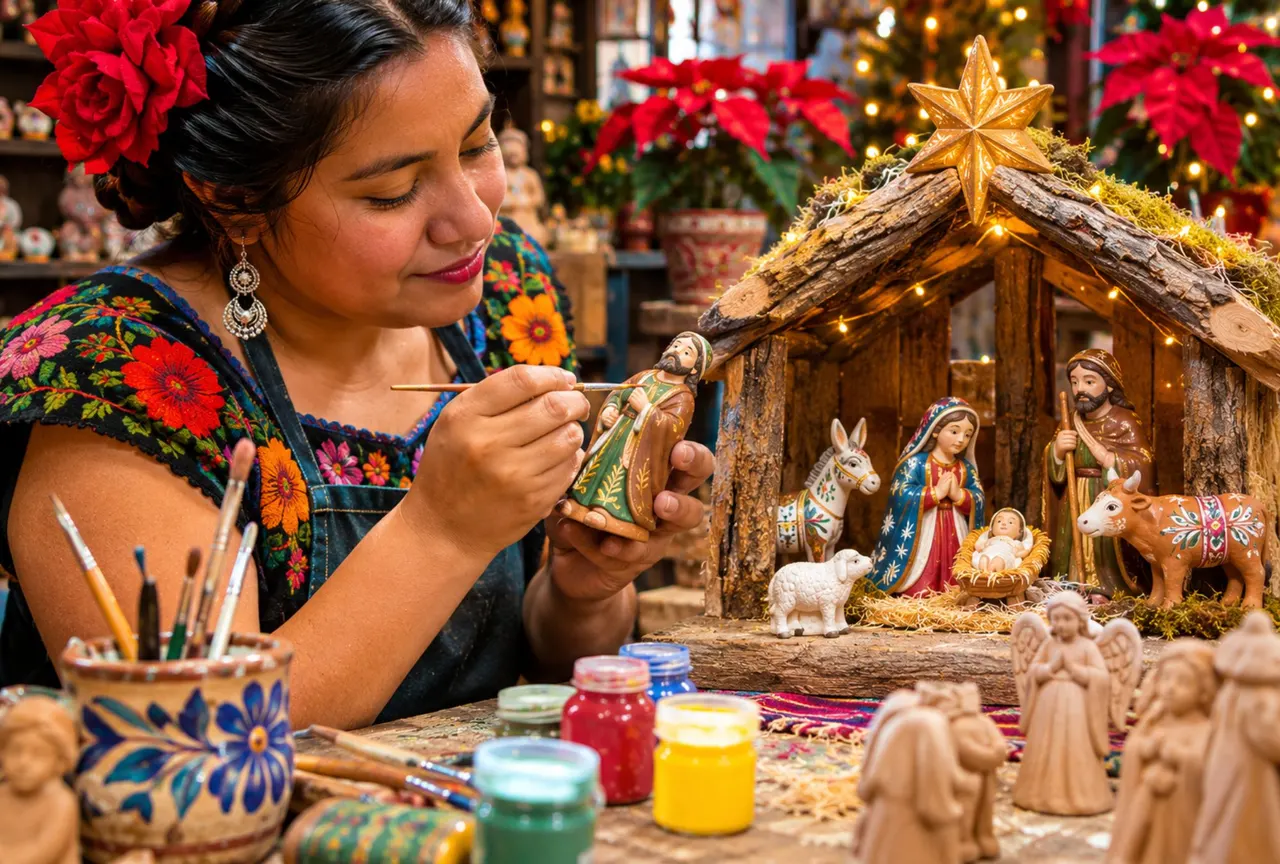
Make nativity scenes from wood, clay or cardboard and sell them at bazaars, on social media or by custom order. A seasonal craft business you can start at home.
The idea
In Mexico the nativity scene (nacimiento) is a central part of Christmas decoration. The idea is simple: make nativity scenes by hand from wood, clay or cardboard and sell them at bazaars, through social media or as custom orders. The source describes these as accessible materials that, combined with creativity, let you produce pieces to sell. You earn by selling finished sets, single figures or personalised versions made to a client's size, style or budget.
Who it fits
This suits anyone with patience and basic craft skills: a family, a couple or one person working from a table at home. It works beside a job because production can start months before December and you can build stock in evenings and weekends. A small workspace and a phone for photos are enough. The same idea would work in any country where nativity scenes are displayed at Christmas, such as Spain, Italy, Colombia or the Philippines.
Costs and revenue
These figures are my estimates, not the source's. Expect to spend roughly $100–600 on wood, clay or card, paint, glue, simple tools, packaging and a bazaar stall fee. Cardboard sets are the cheapest to start with; wood and clay cost more but can be priced higher. A small set might sell for around $10–30 and a detailed or custom piece for $50–150. In the season, a part-time seller could typically make a few hundred to around $1,500, depending on stock and sales days.
Risks and pitfalls
- Seasonality: most sales fall in November and December. Start making in summer and offer other crafts or Easter and Day of the Dead items to spread income.
- Competition from cheap factory sets: stand out with unique design, local style and personalisation.
- Fragility: clay breaks in transit. Use solid packaging and test it before shipping.
- Time per piece: price by hours worked, not only by materials, or margins disappear.
- Stall fees and unsold stock: begin with one or two bazaars and keep a few best-selling designs.
How to start
6 stepsMake three sample sets in cardboard, wood and clay, and photograph them in good light.
Buy materials in bulk from craft or hardware shops and calculate the cost of each piece.
Register for local bazaars and open a social media account with a messaging number for orders.
Show your pieces to friends, neighbours and local groups and take the first custom orders.
Price each set by materials plus hours worked, with small, medium and premium options.
Keep notes on best sellers and start next year's production early.
More in: Crafts & making
 Brazil
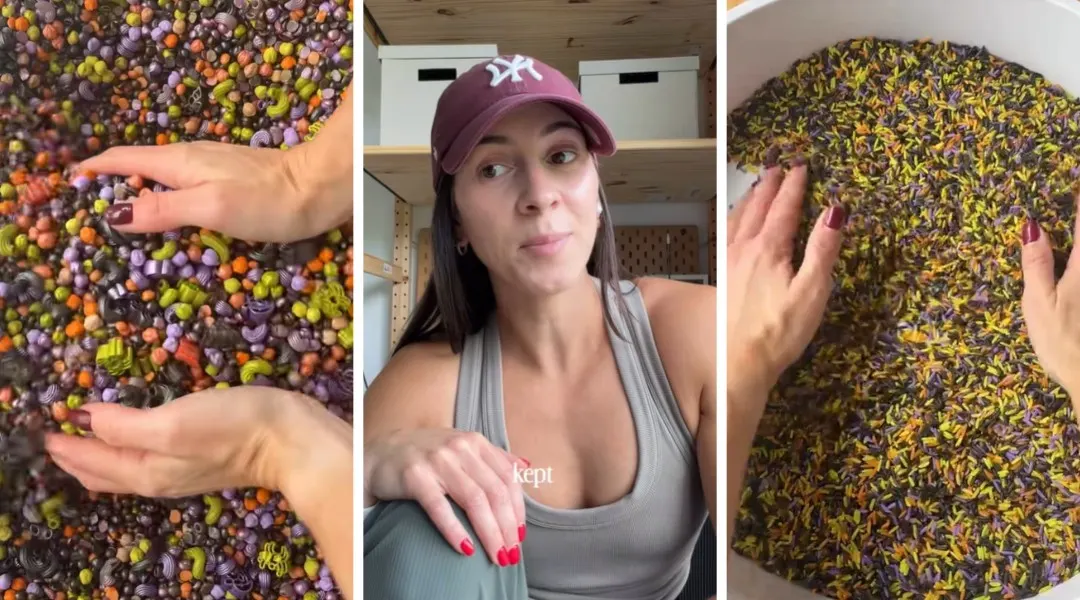
Coloured rice sensory play kits made in a home kitchen, Brazil
A bag of pantry rice and food colouring bought one mother an hour of peace, then a paying online shop.
 India
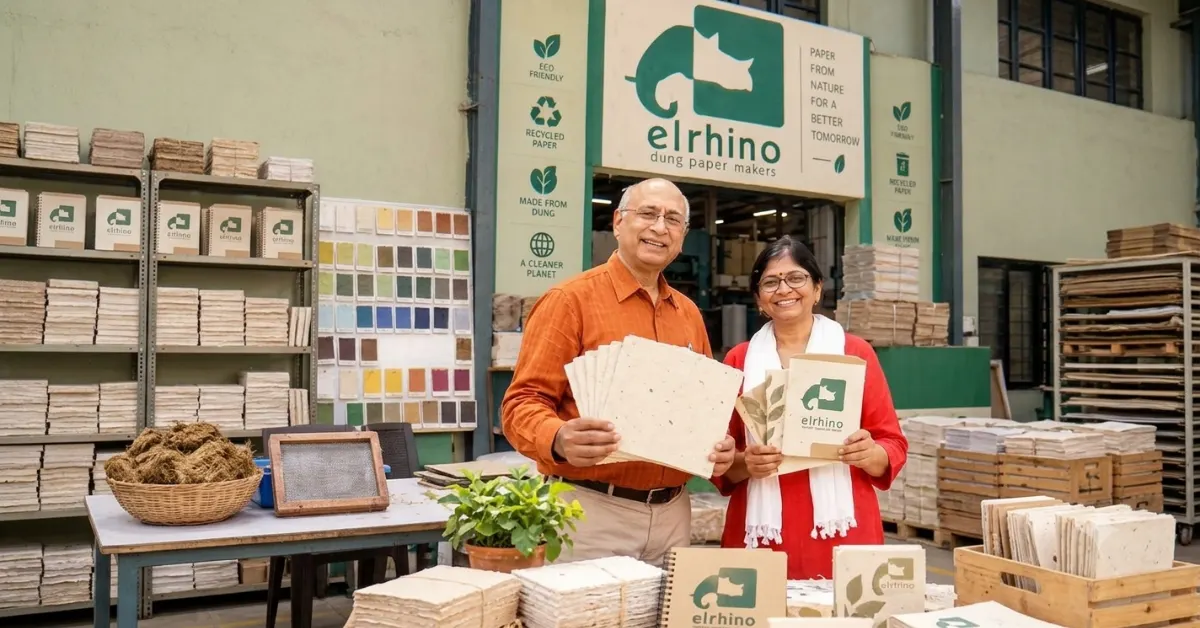
Handmade notebooks from elephant and rhino dung paper in Assam
A kitchen blender, window screens and wildlife dung can become a notebook that tourists happily pay extra for.
More from this day
 United States
Hand-printed city maze posters sold at markets and online
Turn a famous city into a puzzle people hang on the wall and gift to friends.
Hand-pollinating tomato plants for home growers and greenhouses
Indoor tomatoes need a shake to set fruit, and some growers will pay someone else to do it.
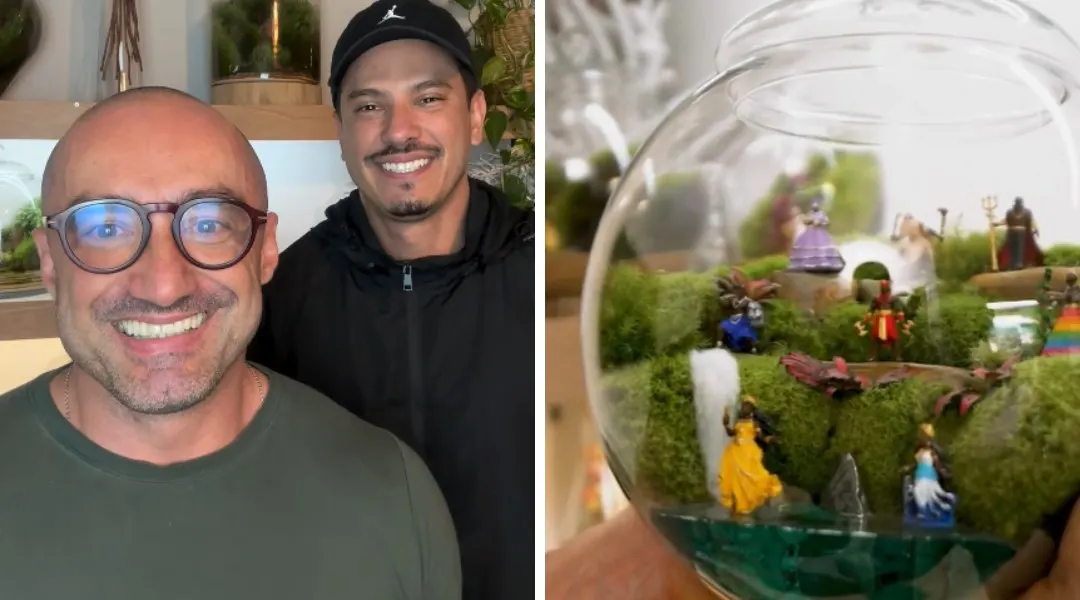
Themed glass terrariums with axé motifs from a home workshop
A couple turned a tiny "planet in a glass" into a brand by adding Afro-Brazilian axé themes.
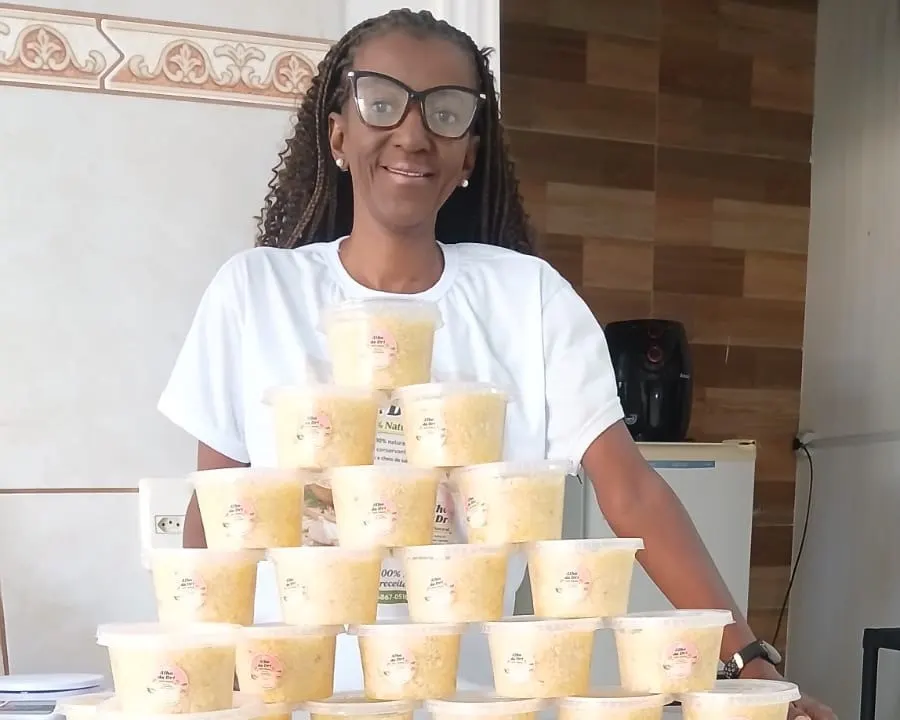
Chopped garlic by weight from a home kitchen in Nilópolis, Brazil
She swapped manicures for peeled, chopped garlic and now buys up to 90 kg of raw garlic a week.