
Handmade notebooks from elephant and rhino dung paper in Assam
A kitchen blender, window screens and wildlife dung can become a notebook that tourists happily pay extra for.
- Startup cost
- $300–1.5k
- Low budget · under $1k
- Difficulty
- Medium
- Revenue potential
- Side income
- Time to launch
- Weeks
- Seen in
- India
Costs and revenue are rough estimates based on the source and may differ by country.
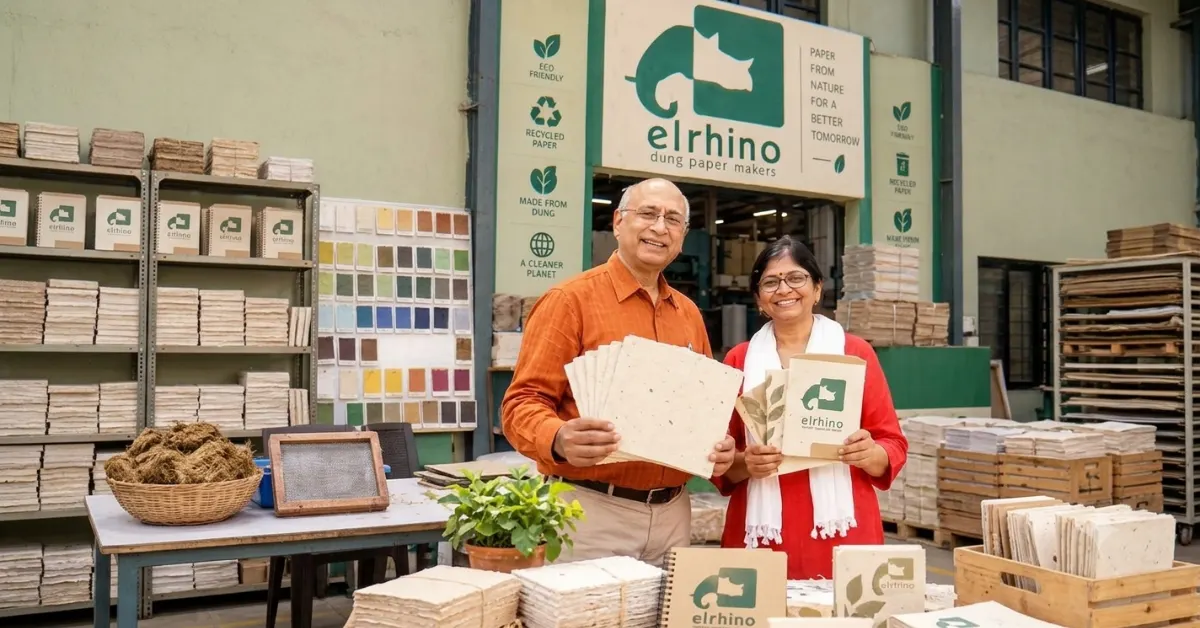
In Assam, a retired engineer and his daughter turn elephant and rhino dung fibre into handmade paper. Here is the one-person home-workshop version of that business.
The idea
Handmade paper does not have to come from wood. In Assam, retired mining engineer Mahesh Chandra Bora began experimenting at home after reading that paper was being made from elephant dung in Rajasthan. Elephants and one-horned rhinos eat huge amounts of grass and plants that they cannot fully digest, so their dung is full of fibre. Mahesh started with his wife's kitchen blender and window screens, and after repeated trials he had usable sheets. With his daughter Nisha he founded Elrhino in 2014.
The process, as the founders describe it, is simple: dung is cleaned, washed and boiled, turned into pulp, mixed with recycled paper, cotton waste or plant fibres such as banana stem, then pressed and dried. The finished paper becomes notebooks, journals, paper bags, lampshades and playing cards. Its visible flecks and texture tell the story, and that story is what buyers pay for.
The smallest version is a home workshop making notebooks for tourists and stationery shops.
Who it fits
This suits someone who is patient, likes craft work and lives near a wildlife area, a village or a tourist route. You need a small outdoor space for washing and boiling, a table for pressing, and a sunny spot or airy room for drying. It can run beside a job, since batches dry while you are away. A family can share the work: one person makes pulp, another sews or binds.
The same model could work near other reserves, sanctuaries and farm-wildlife borders in Africa, Sri Lanka or Southeast Asia, and with any herbivore waste that is legally and safely available. Cow, horse or farm-animal fibre is an easier starting point.
Costs and revenue
Expect roughly $300 to $1,500 to start. That covers a blender or small pulper, mould-and-deckle frames or screens, a large pot and burner, felts or cloths, a press, binding thread, covers, gloves and basic packaging. These are editorial estimates, not figures from the founders.
A handmade A5 notebook can plausibly sell for around $3 to $8 in tourist shops or at craft fairs, with higher prices for gift sets. A part-time maker producing 150 to 400 notebooks a month might expect roughly $400 to $2,000 in sales, before materials and shop commissions.
Risks and pitfalls
- Legal rules: Collecting dung near protected areas may need permission. Check with the forest department, and buy only from approved or village sources.
- Hygiene: Dung must be boiled thoroughly. Wear gloves, work outdoors and keep tools separate from your kitchen.
- Inconsistent quality: Early sheets may be rough or uneven. Test small batches and keep a record of ratios.
- Slow sales: Tourism is seasonal. Sell online and to shops all year, and add bags or cards.
- Weak story: Plain notebooks will not stand out. Add a card on the origin and on how the money supports local people.
How to start
6 stepsMake test sheets with a blender and screens, using a small amount of safely sourced fibre and recycled paper.
Ask the local forest or panchayat office about the rules for collecting or buying dung near wildlife areas.
Set up a washing, boiling and drying corner outdoors, and buy a press, binding thread and covers.
Produce 30 notebooks and sell them to lodges, souvenir shops and a craft fair, with an origin story card.
Price at $3 to $8 each, offer gift sets, and track which designs sell.
Pay neighbours for collection or binding, and add bags or cards once sales are steady.
More in: Crafts & making

Paid pumpkin carving for Halloween parties and offices
Two Halloween fans turned a seasonal hobby into paid work, with single pumpkins fetching as much as $700.
More from this day
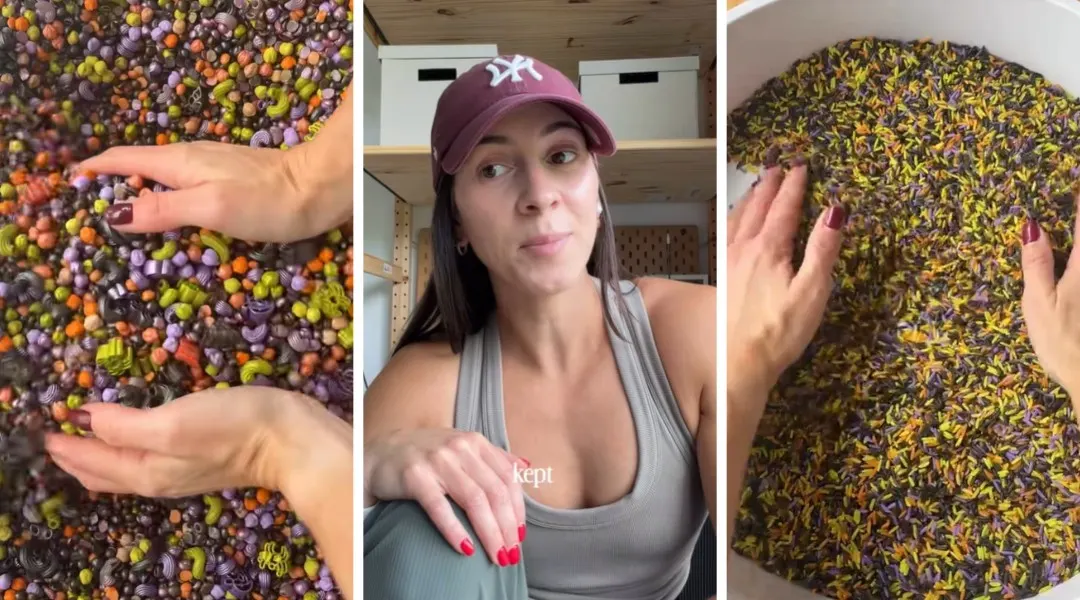

Coloured rice sensory play kits made in a home kitchen, Brazil
A bag of pantry rice and food colouring bought one mother an hour of peace, then a paying online shop.
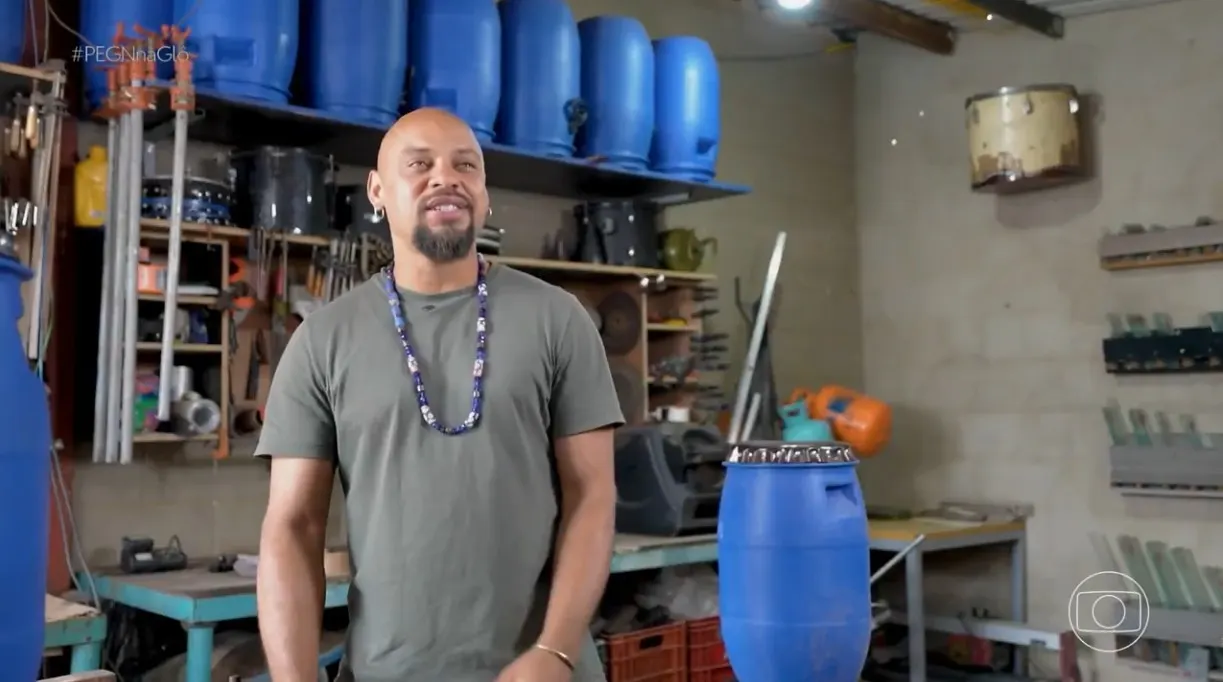
Scrap-built drums and instruments sold from a home workshop in Brazil
A music student with no budget turned plastic drums and bottle skins into a business earning about R$ 20,000 a month.
Free chalkboards for restaurants paid by local advertisers
Give a restaurant a free specials board, then sell the strip along the bottom to neighbouring businesses.
Plush human-organ toys sold to schools and parents in the US
Soft hearts, lungs and stomachs let children learn anatomy by hugging the body part they are studying.