
Pocket-sized paper short-drama booklets for students in China
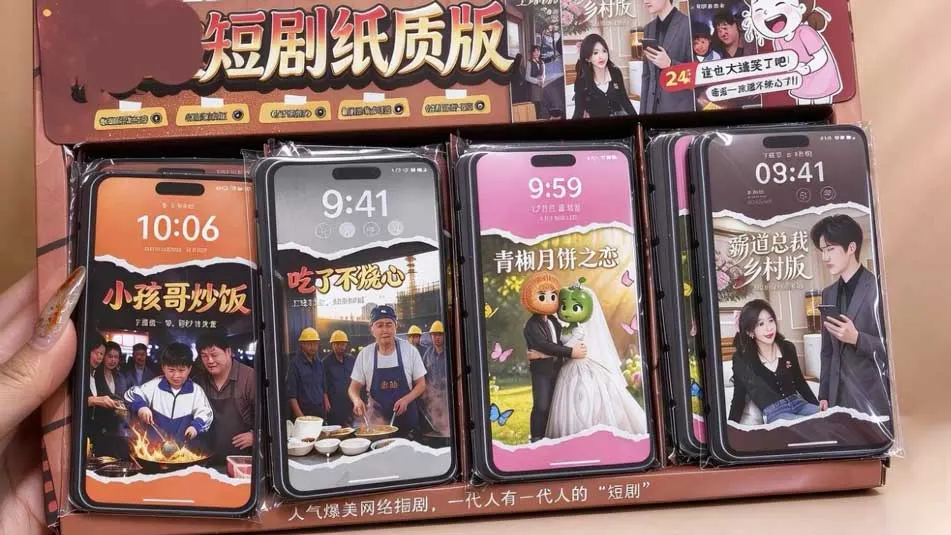
Phones are banned in class, so students buy folded paper booklets shaped like smartphones that tell short dramas.
- Startup cost
- $300–900
- Low budget · under $1k
- Difficulty
- Medium
- Revenue potential
- Side income
- Time to launch
- Weeks
- Seen in
- China
Costs and revenue are rough estimates based on the source and may differ by country.
In China, accordion-fold printouts shaped like phones sell for as little as 1 yuan. Here is the one-person version built on original, age-appropriate stories.
The idea
China's education ministry told schools in 2021 to keep phones out of classrooms, and tightened the rule in 2025. Primary school students found a workaround: "paper short dramas". These are printouts about half a metre long, folded accordion-style into the shape of a smartphone, pairing screenshots with written dialogue from several episodes of a short drama. Shops near schools and e-commerce platforms stock them from about 1 yuan ($0.14), and a Weibo hashtag about them passed 170 million views.
The source also shows what not to copy. Many sellers reproduced dramas without permission, sold adult and violent stories to children and labelled the booklets as toys to dodge copyright rules. Parents complained. The version that can last uses original or licensed, age-appropriate stories in the same folded-phone format: mystery, school friendship, comedy, fantasy, sold as collectible series.
Who it fits
This suits someone who can write, draw or work with a young writer or illustrator, and who can use basic layout software. It works beside a job: writing and layout happen in the evenings, printing is outsourced, and selling happens through stationery shops, market stalls and an online store. The format could work wherever schools restrict phones and children love short serialised stories, so look at your own market before copying China's price points.
Costs and revenue
These are editorial estimates, not figures from the source. Expect roughly $300–1,500 to start: design software (free or cheap), payment to a writer or a small licence fee, a test run of 200–500 booklets at a local print shop, simple packaging and a few sample sets for shops. Small runs typically cost about $0.10–0.30 per booklet. Selling at $0.50–1.50 each, with a discount for shops, leaves a margin of perhaps half the price. Once a few shops and an online listing sell regularly, around $200–1,500 a month is a realistic range for one person.
Risks and pitfalls
- Copyright: never copy existing dramas. Write original stories or sign a written licence.
- Content: keep stories suitable for the age group on the cover. Parents are the real gatekeepers, and complaints can close a shop's door to you.
- Labelling: do not claim toy-safety certification that does not apply to paper. Describe the product honestly.
- Fads: crazes fade fast. Release short series, test small runs and keep stock low.
- School rules: do not sell inside school grounds or encourage students to break rules. Sell through shops and online, and check local regulations.
How to start
6 stepsTest demand: show sample folded booklets to parents, teachers and a few local stationery shops.
Write or commission 3–5 original short stories, or agree a written licence with a creator.
Lay out the accordion format in free design software and order a 200-copy test print.
Sell through shops near schools, market stalls and a small online store, never on school grounds.
Price at about $0.50–1.50, bundle series into boxed sets and watch which titles repeat.
Reorder the best sellers, add new series every few weeks and offer shops wholesale terms.
More in: Crafts & making

 Thailand
Personalised laser-engraved gifts from a spare room in Thailand
A desktop laser engraver turns keychains, plaques and phone cases into gifts people pay extra to personalise.
 South Africa
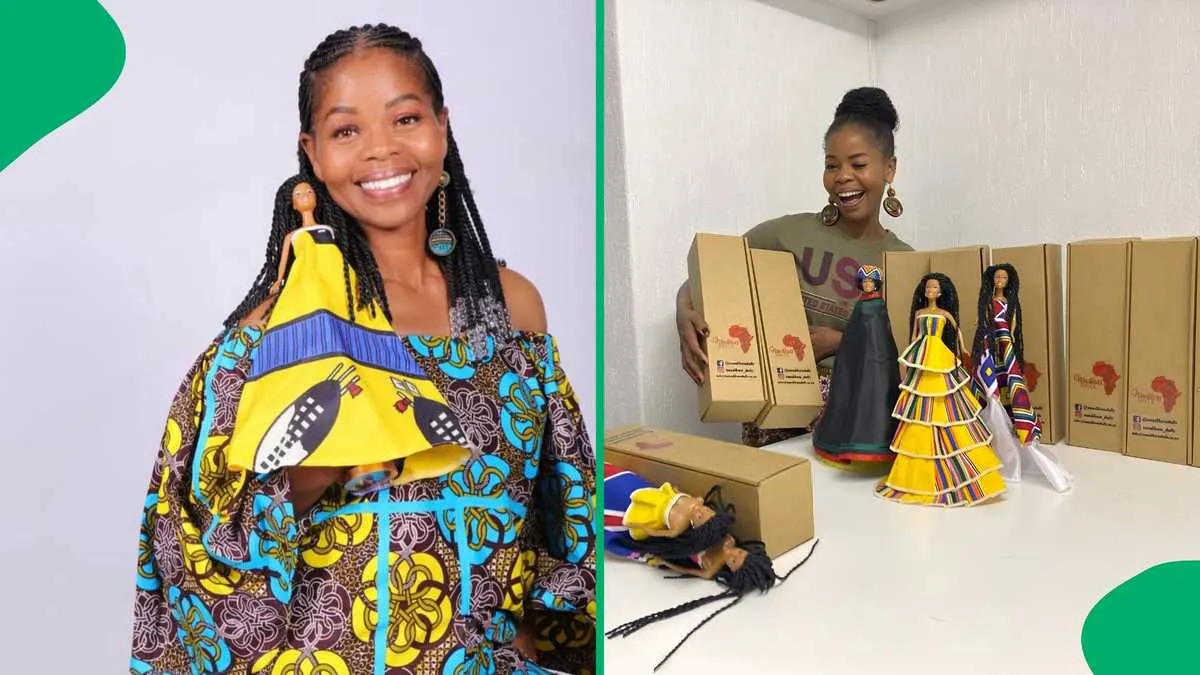
Dolls in traditional attire sewn at home for South African families
A mother who could not find a doll that looked like her daughter built a brand around it.
 United States
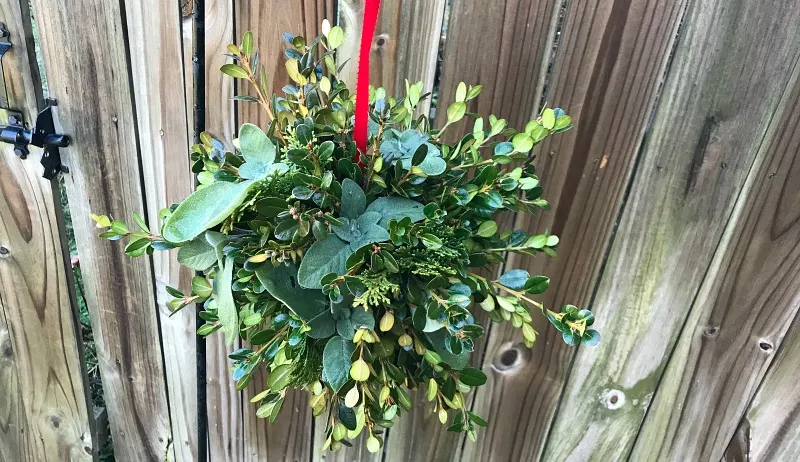
Boxwood and herb kissing balls sold at Christmas markets
An old doorway charm made from garden clippings turns into a seasonal side income.
More from this day
 India
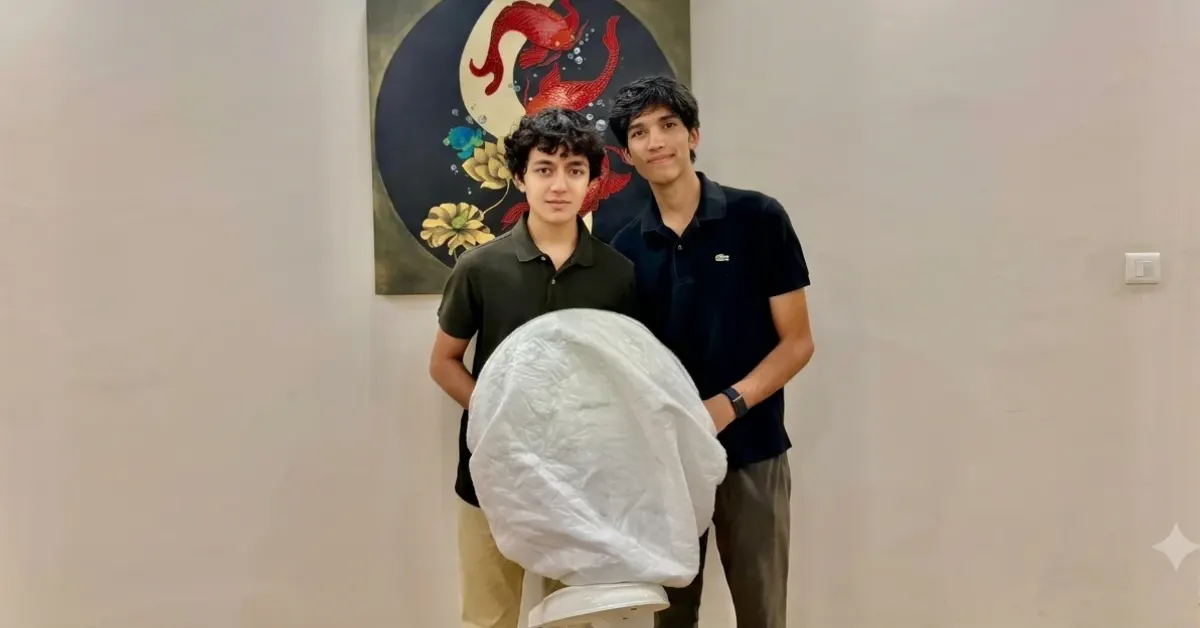
Fan-mounted air filter service for Delhi homes and classrooms
A filter costing about Rs 140 slips over an ordinary fan and turns it into an air cleaner.
 Indonesia
Handmade decor and household goods from coconut husk and shell
What markets throw away as coconut waste can become bowls, pots and sponges that people happily pay for.
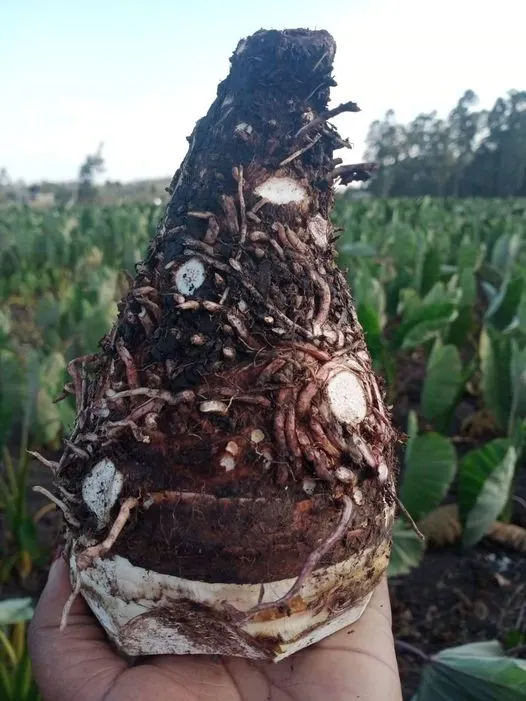
 Kenya
Growing arrowroot on a small dryland plot in Nyeri, Kenya
Arrowroot sold by the piece fetched up to Sh150 this year, and one Nyeri farmer says buyers never stop asking.

Flat-fee new-car buying agent working from home in the US
Buyers enjoy researching cars but hate haggling, so they pay about $1,000 for someone else to do it.