
Handmade decor and household goods from coconut husk and shell
What markets throw away as coconut waste can become bowls, pots and sponges that people happily pay for.
- Startup cost
- $200–900
- Low budget · under $1k
- Difficulty
- Medium
- Revenue potential
- Side income
- Time to launch
- Weeks
- Seen in
- Indonesia
Costs and revenue are rough estimates based on the source and may differ by country.
Turn discarded coconut husks and shells into bowls, plant pots, sponges and wall decor, then sell them locally and online, as Dakey House does in Subang, Indonesia.
The idea
Coconut husk (fibre) and shell are usually dumped or burned. Dakey House, started in late 2021 by Leni Mariyani and Nurdianto in Subang, West Java, turns them into products: cocopeat and cocofiber for farming, plant pots, climbing supports for plants, dish sponges, home decor, key rings, shell bowls and natural-looking wall decoration. The couple say the idea began when they saw how much coconut waste went unused. Their brand promise is "Original, Authentic, Aesthetic", built on zero waste and sustainability. According to the business, its products have even reached export markets and created work for neighbours.
The smallest version is a one-person workshop: collect free or cheap husks and shells, clean and shape them, and sell finished items rather than raw material.
Who it fits
This suits anyone living near coconut supply: coastal towns, tropical markets, juice sellers and food stalls. You need patience, basic hand-tool skills and a little design sense. A garage, yard or covered terrace is enough space. It works beside a job, because production can be done in batches on weekends. The same model fits other coconut regions such as India, Sri Lanka, the Philippines, Thailand, Brazil, the Caribbean and East Africa.
Costs and revenue
Expect roughly $200–900 to start (estimate): a sander or rotary tool, saws, files, food-safe oil or wax, glue, a drying rack, packaging and a phone for photos. Raw material is often free if you collect from vendors.
Price by item: small items such as key rings or sponges might sell for $1–3, bowls and pots for $3–10, larger decor for $10–25 (estimates, check your market). A part-time producer could expect around $150–600 a month, and more with wholesale to cafés, garden shops or gift stores. Selling through marketplaces and social media widens reach beyond your town.
Risks and pitfalls
- Slow handwork: shell shaping takes time. Start with two or three simple designs and make them in batches.
- Dust and injury: wear a mask, goggles and gloves, and sand outdoors.
- Mould and quality: dry husks and shells fully and seal them; damp stock spoils.
- Food-contact claims: do not call bowls food-safe until finished with a proper food-safe coating and checked against local rules.
- Copycats and low prices: many people can make coconut crafts, so build a recognisable style, good photos and a story about the waste you rescue.
- Export rules: plant materials may need inspection; sell locally first.
How to start
6 stepsCollect sample husks and shells from juice vendors and test three simple products.
Buy basic tools, sealing oil or wax and a drying rack; set up a ventilated corner.
Photograph finished pieces and list them on a marketplace and a social media page.
Offer samples to cafés, garden shops and gift stores and take small trial orders.
Price each item at material plus time plus about 30% margin, then adjust to demand.
Add best sellers, bundle gift sets and later approach buyers abroad.
More in: Crafts & making

 Thailand
Personalised laser-engraved gifts from a spare room in Thailand
A desktop laser engraver turns keychains, plaques and phone cases into gifts people pay extra to personalise.

 South Africa
Dolls in traditional attire sewn at home for South African families
A mother who could not find a doll that looked like her daughter built a brand around it.
 United States
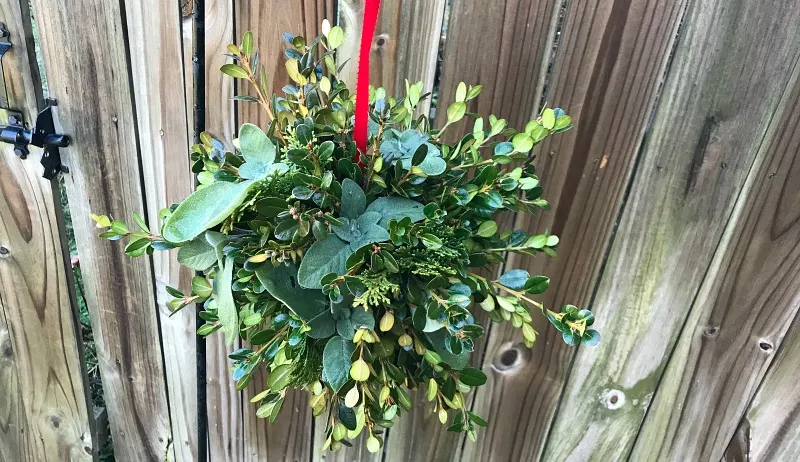
Boxwood and herb kissing balls sold at Christmas markets
An old doorway charm made from garden clippings turns into a seasonal side income.
More from this day
 India
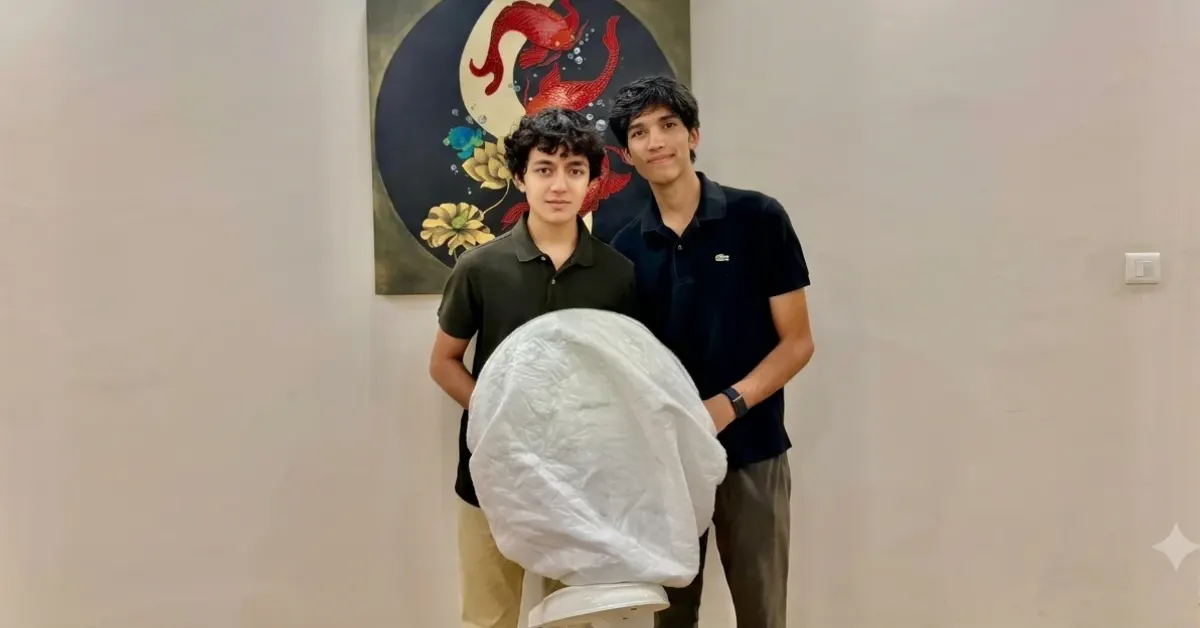
Fan-mounted air filter service for Delhi homes and classrooms
A filter costing about Rs 140 slips over an ordinary fan and turns it into an air cleaner.
 Kenya
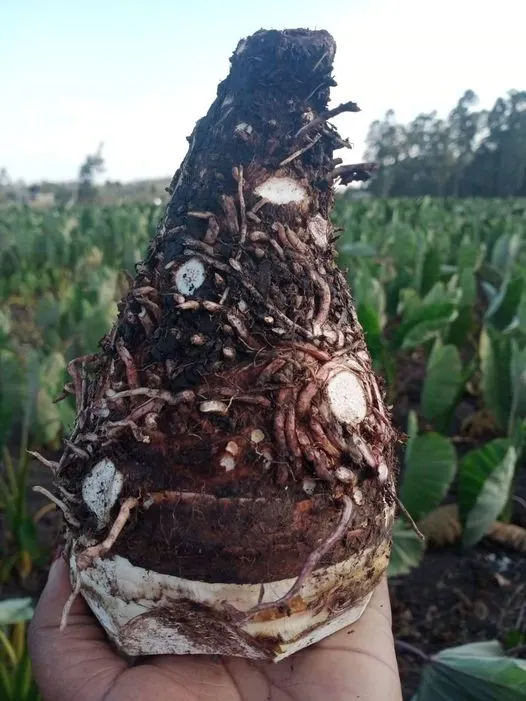
Growing arrowroot on a small dryland plot in Nyeri, Kenya
Arrowroot sold by the piece fetched up to Sh150 this year, and one Nyeri farmer says buyers never stop asking.

Flat-fee new-car buying agent working from home in the US
Buyers enjoy researching cars but hate haggling, so they pay about $1,000 for someone else to do it.

 China
Pocket-sized paper short-drama booklets for students in China
Phones are banned in class, so students buy folded paper booklets shaped like smartphones that tell short dramas.