
Fan-mounted air filter service for Delhi homes and classrooms
A filter costing about Rs 140 slips over an ordinary fan and turns it into an air cleaner.
- Startup cost
- $150–800
- Low budget · under $1k
- Difficulty
- Medium
- Revenue potential
- Side income
- Time to launch
- Weeks
- Seen in
- India
Costs and revenue are rough estimates based on the source and may differ by country.
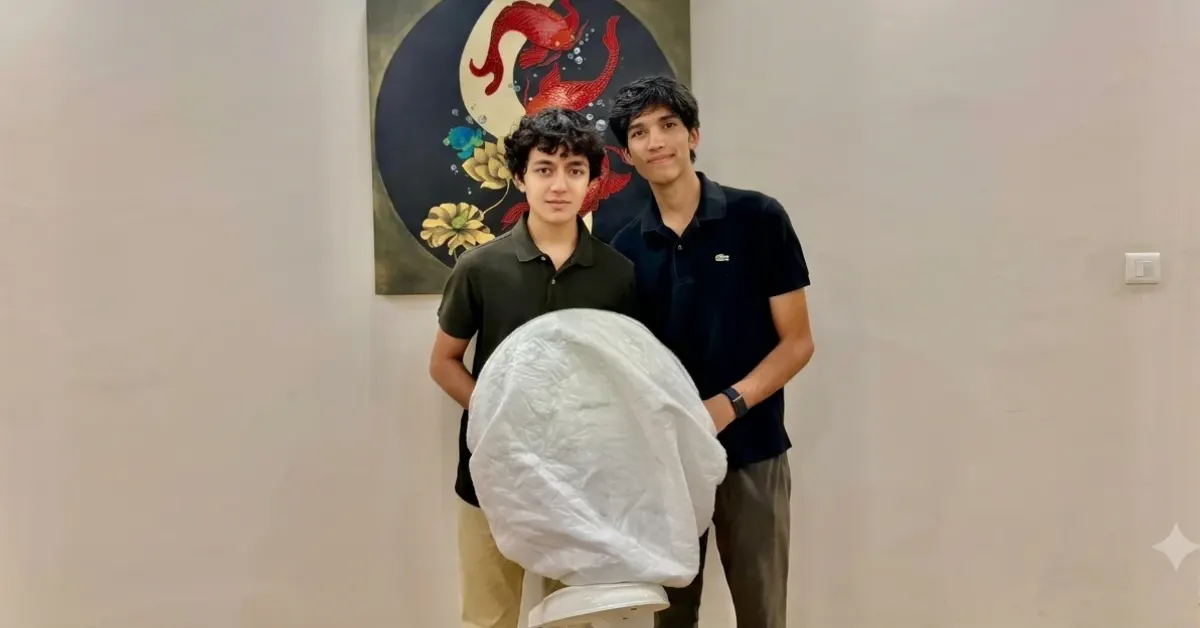
Two Delhi teenagers cut PM2.5 in classrooms with a cheap filter that fits over fans. One person can fit and replace similar filters for homes, clinics and small schools.
The idea
In Delhi, teenagers Krish Aggarwal and Samarth Meattle created Project Vayu: a balloon-shaped filter made of electret media, with electrostatically charged fibres, that slips over an ordinary table or wall fan using an elastic lining. When the fan runs, the airflow inflates the filter and it traps fine particles such as PM2.5. There is no extra motor or wiring, and it fits in under a minute without tools. The founders put the making cost at about Rs 140 (roughly $1.60) per filter.
They report that in a closed room of about 200 sq ft, PM2.5 fell from 158 to 11 micrograms per cubic metre within an hour, and by about 60% in a larger classroom. Their pilot covered 295 classrooms, and the project has reached around 20,000 students and several clinics.
Project Vayu is a school initiative. The business version here is our adaptation: a one-person service that sells, fits and later replaces fan filters for homes, clinics, tuition centres and small private schools, charging per fitting or per replacement round.
Who it fits
This suits someone who is handy with simple tools, comfortable explaining a product to parents, shop owners or school staff, and happy to visit customers by scooter or car. It works beside a job, with evening and weekend visits. The source design is for table and wall fans, so offer only the fan types you have tested yourself. The same idea could work in other cities with heavy smog or dust, where people already use fans.
Costs and revenue
These are editorial estimates. Expect roughly $150–800 to start: sample filter media from a supplier, elastic, scissors or a cutter, a sewing machine or needle work, a low-cost PM2.5 meter and a printed demo card. The founders' Rs 140 figure came with donated media, so small batches will typically cost more, perhaps $2–5 each.
A realistic price is around $5–10 per fitted filter, with a small fee for a replacement visit every few weeks, since the filters darken as they collect dust. With 50–150 fittings or replacements a month, expect around $200–800 in monthly revenue, mostly as an extra income.
Risks and pitfalls
- Performance claims: results depend on room size and conditions. Show meter readings before and after, and never promise medical outcomes.
- Media quality: poor material can choke airflow or filter badly. Ask suppliers for datasheets and test each batch.
- Fan strain: check that the fan does not overheat or slow down; stop using any fan that does.
- Slow approvals: the founders say school permissions take time. Begin with homes, clinics and private owners who decide quickly.
- Seasonality: demand peaks in smog months. Add dust and pollen seasons and replacement subscriptions to smooth income.
How to start
6 stepsBuy sample electret filter media and make a few filters to fit the fans common in your area.
Measure PM2.5 before and after in a real room with a cheap meter and record the results.
Fit filters free for a few neighbours or a clinic to gather photos and honest feedback.
Pitch parents' groups, tuition centres and small schools with a short live demo.
Set a price per fitting plus a low-cost replacement visit, and keep a customer list.
Offer a subscription for scheduled replacements and expand street by street.
More from this day
 Indonesia
Handmade decor and household goods from coconut husk and shell
What markets throw away as coconut waste can become bowls, pots and sponges that people happily pay for.
 Kenya
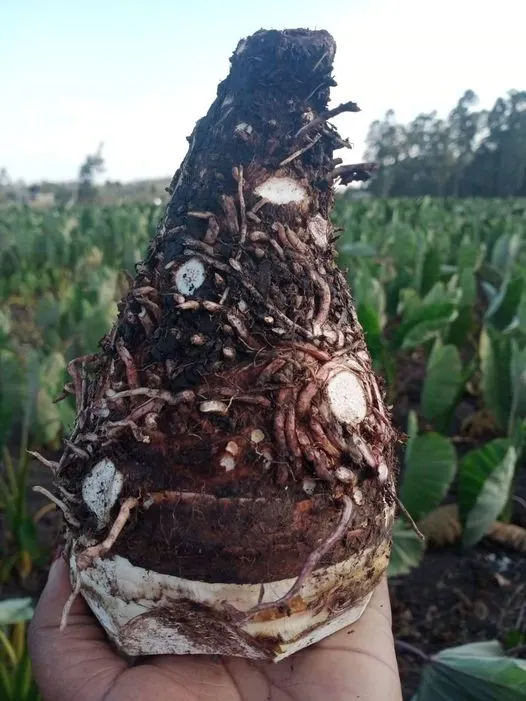
Growing arrowroot on a small dryland plot in Nyeri, Kenya
Arrowroot sold by the piece fetched up to Sh150 this year, and one Nyeri farmer says buyers never stop asking.

 United States
Flat-fee new-car buying agent working from home in the US
Buyers enjoy researching cars but hate haggling, so they pay about $1,000 for someone else to do it.

 China
Pocket-sized paper short-drama booklets for students in China
Phones are banned in class, so students buy folded paper booklets shaped like smartphones that tell short dramas.