
Dolls in traditional attire sewn at home for South African families
A mother who could not find a doll that looked like her daughter built a brand around it.
- Startup cost
- $200–900
- Low budget · under $1k
- Difficulty
- Medium
- Revenue potential
- Side income
- Time to launch
- Weeks
- Seen in
- South Africa
Costs and revenue are rough estimates based on the source and may differ by country.
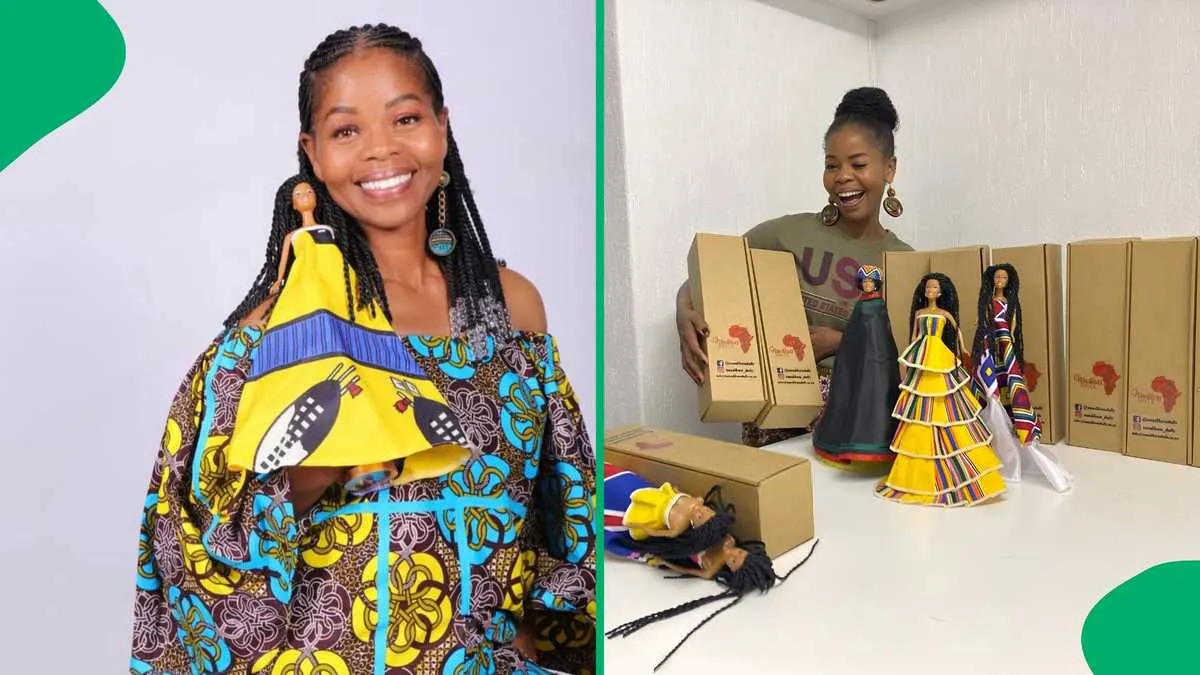
Sew dolls dressed in Zulu, Xhosa, Pedi, Tswana and other traditional attire at a home table, and sell them to parents and schools who want children to see themselves.
The idea
Nandikwa Dolls, founded by Mmule Ramothibe Ka-Pityana in Meyerton, Gauteng, sells dolls dressed in the traditional clothing of South Africa's cultures. According to the business, the idea began when she struggled to find a doll that truly represented her daughter. Her range covers Zulu, Xhosa, Pedi, Tswana, Sotho, Venda and Tsonga attire, and the aim is to build cultural pride, diversity and representation in young children early. After the brand was featured online, thousands of people applauded it, and commenters suggested darker skin tones, cultural booklets and wider inclusion.
The money comes from selling each doll to parents, gift buyers and schools. The smallest version is one person sewing at a home table.
Who it fits
This suits someone who can sew, knows the clothing of at least one culture well, and has a few spare evenings a week. It works beside a job because dolls can be made in batches and sold by order. Parents, grandmothers and early-childhood teachers are natural customers. The same model would work wherever children rarely see their own heritage in toys, such as Indigenous communities, diaspora families or regional folk costumes in Europe and Latin America.
Costs and revenue
These are editorial estimates, not figures from the business. Expect roughly $200–900 to start: a basic sewing machine if you lack one, plain doll bodies or fabric and stuffing, beads, printed cloth, trims, packaging and a few photos. Handmade cultural dolls typically sell for around $12–35 each depending on size and detail. Selling 20–60 dolls a month could bring roughly $250–1,500 in revenue, before materials and your time. Bulk orders for schools or gifting seasons lift that.
Risks and pitfalls
- Cultural accuracy: get patterns, colours and beadwork checked by elders or community members, and credit the culture respectfully.
- Slow production: hand finishing limits volume. Standardise a few designs and take pre-orders.
- Material costs: buy fabric and beads in bulk and keep a price list that covers your hours.
- Child safety: use secure stitching, avoid small detachable parts for toddlers and label the suitable age.
- Copycats and cheap imports: build a recognisable name, story and quality, and offer custom orders that factories cannot match.
How to start
6 stepsPick two or three cultures you know well and sketch the attire with help from community members.
Make five sample dolls with safe, durable stitching and take clear photos in natural light.
Buy fabric, beads and stuffing in bulk and set a price that covers materials plus your hours.
Post the dolls on Facebook and WhatsApp groups and ask local mothers to share.
Approach crèches, primary schools and gift shops with a small bulk-order offer for Heritage Day.
Add new cultures, skin tones and small booklets explaining each outfit as orders grow.
More in: Crafts & making
 United States
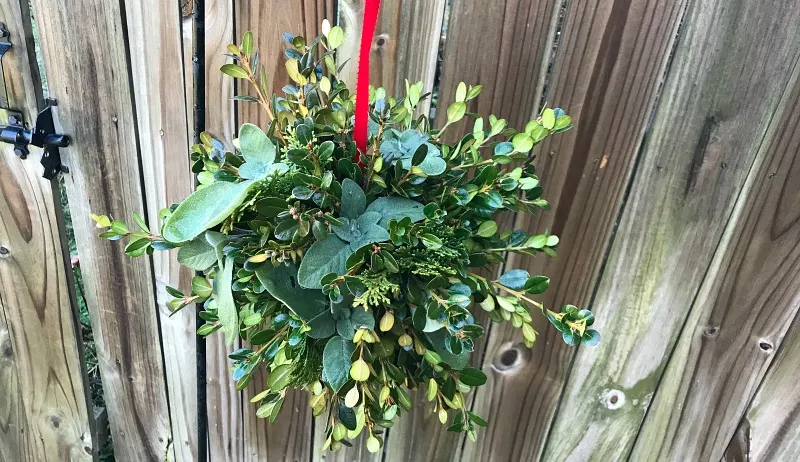
Boxwood and herb kissing balls sold at Christmas markets
An old doorway charm made from garden clippings turns into a seasonal side income.
 China
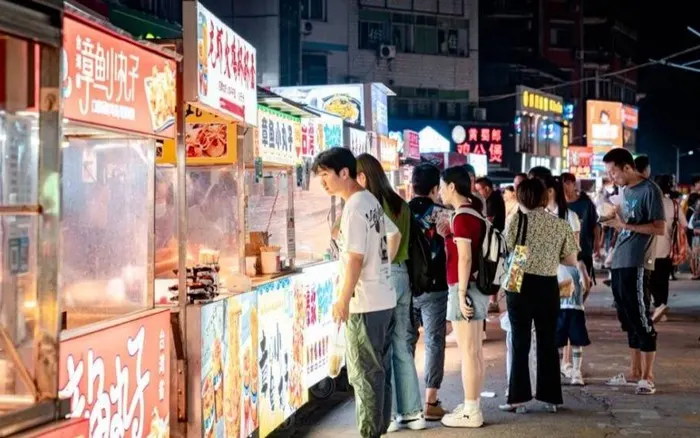
Evening sidewalk stall selling food-shaped hair clips in Qingdao
Tiny sushi and dumplings on a hair clip: a PhD couple turned their after-work hours into a stall.
 United Kingdom
Baby card keepsakes: framing newborn cards for parents in the UK
Parents keep every card for a newborn, but few know what to do with them. You can sell the answer.
 Vietnam
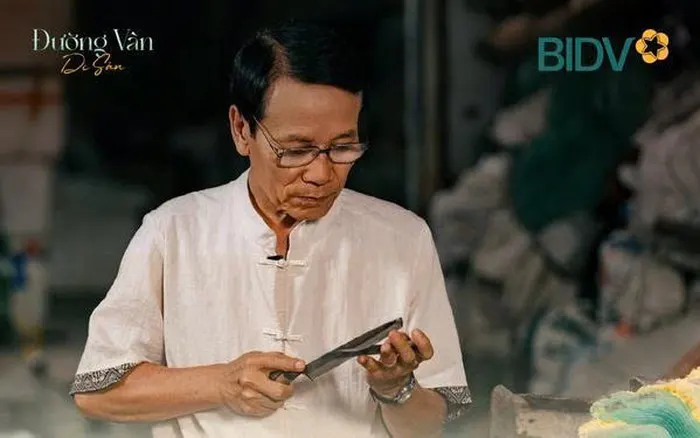
Hand-carved horn combs from a home workshop, Thuy Ung style
A 500-year-old village craft turns buffalo horn into combs that win gift buyers and export orders.
More from this day
 Thailand
Tiger-stripe peanut gift bags from Mae Hong Son, sold on TikTok
A mountain-town souvenir stopped depending on tourist seasons by moving its roasting stove onto short videos.
 India
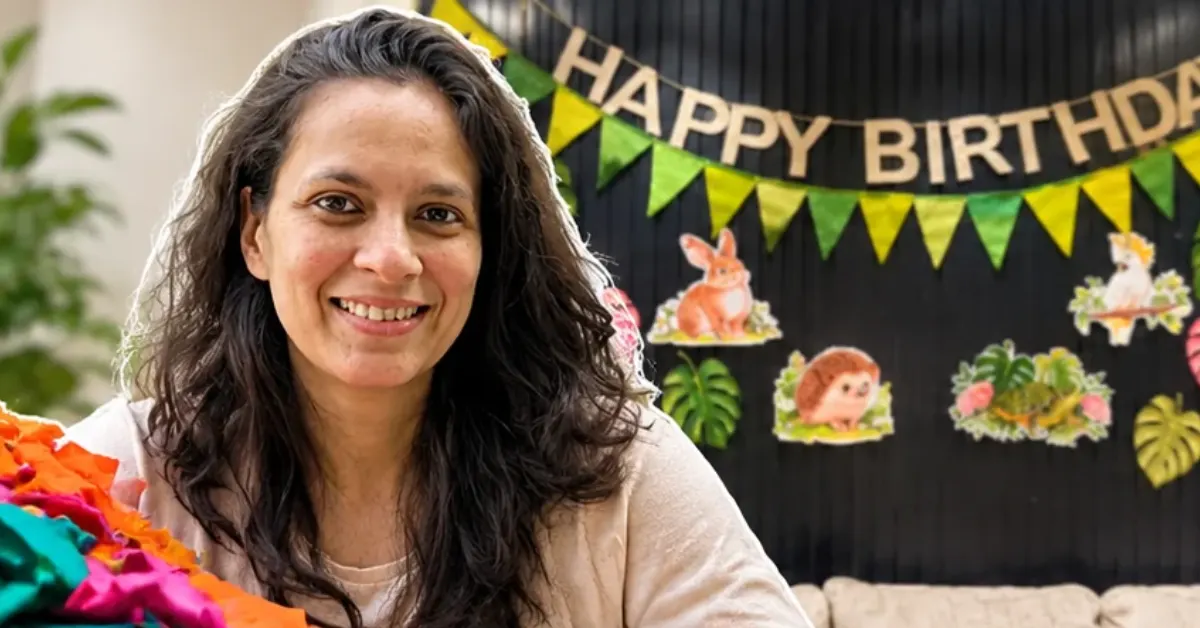
Rentable birthday decor sewn from waste fabric in Bengaluru
Parents rent fabric bunting instead of buying balloons that end up in the bin after one party.
Personalised Santa letters mailed to children for parents in the US
Parents pay a few dollars so a child finds a personal letter from the North Pole in the mailbox.
Custom scavenger hunts for team events and parties in your town
Turn a childhood love of treasure hunts into a paid game that companies and party hosts book by the event.