
Growing arrowroot on a small dryland plot in Nyeri, Kenya
Arrowroot sold by the piece fetched up to Sh150 this year, and one Nyeri farmer says buyers never stop asking.
- Startup cost
- $400–1k
- Low budget · under $1k
- Difficulty
- Easy
- Revenue potential
- Side income
- Time to launch
- Months
- Seen in
- Kenya
Costs and revenue are rough estimates based on the source and may differ by country.
Plant arrowroot suckers on a small upland plot, harvest in about six months and sell tubers by the piece to hotels and households, plus spare suckers to farmers.
The idea
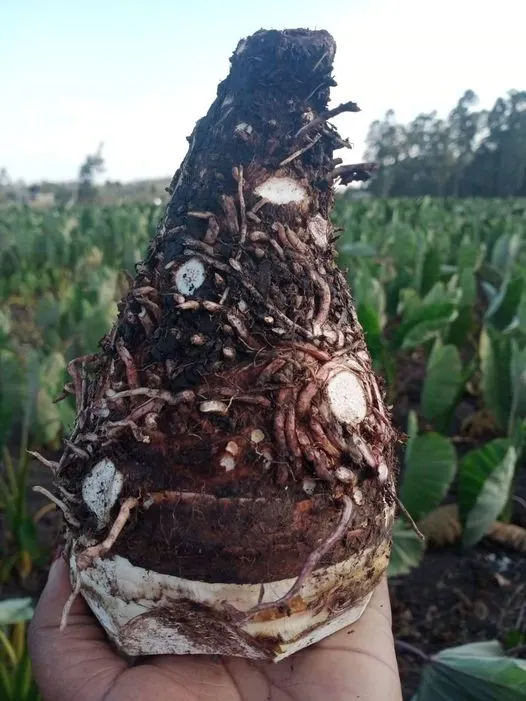
Arrowroot is a starchy tuber that Kenyan hotels and households increasingly serve at breakfast, and that processors mill into flour for porridge. In Nyeri, farmer Mary Dirango grows it in red soil and sells it by the piece rather than by the kilo, which she says earns more. This year a piece sold for Sh50–150 (roughly $0.40–1.15) depending on size, up from Sh50–80 last year. She says it is the best price in her 15 years of growing the crop.
What makes her version unusual is the variety. She brought a quick-maturing Dasheen type from Rwanda that does well on upland ground with little water. It matures in about six months after transplanting, against eight for the traditional Kenyan types that prefer waterlogged land. Her second income line is planting material: suckers now sell at Sh50 each (about $0.40), up from Sh30, and she reports selling over 50,000 at one Nairobi expo. She puts her profit at about Sh300,000 (roughly $2,300) on one and a half acres after costs.
Who it fits
This suits anyone with access to a small piece of land and the patience for a six-month crop. The work comes in bursts (planting, mulching, harvest), so it can run beside a job or another farm enterprise. You need no vehicle if buyers collect, though a bicycle or pickup helps. Mary's method is simple: deep individual holes in lines 2 by 2 feet apart, plenty of manure, and mulch on top. Good soil matters most.
The same approach could work in other tropical and subtropical upland areas where taro-type crops are eaten and where bread and wheat have become expensive.
Costs and revenue
These are editorial estimates. A quarter acre at 2 by 2 feet holds roughly 2,700 plants, but a first plot of 1,000–1,500 suckers is enough to learn the crop. At Sh50 per sucker, planting material costs about $400–600. Add manure, mulch, hand tools and some hired help, and expect a total of roughly $400–1,000.
Mary's last-season profit of about Sh200,000 per acre (roughly $1,550) suggests a small plot could return a few hundred dollars per harvest, perhaps $300–800 in a good season, which averages to about $50–130 a month over the cycle. Prices were exceptional this year, so do not count on peak levels. Selling extra suckers to neighbours can add income from the second cycle.
Risks and pitfalls
- Price swings. This year's prices are a high point. Budget with last year's Sh50–80 per piece and treat more as a bonus.
- Poor planting material. Supply is short, and mixed stock gives uneven tubers. Buy from a grower whose plants you can see.
- Dry spells. The variety tolerates dryland, but mulch, manure and a little water in drought protect yields.
- Cash tied up. Land is occupied for months. Stagger plantings so harvests arrive every few months.
- Selling. Line up hotels, grocers and market traders before harvest, and grade pieces by size.
How to start
7 stepsVisit local markets and hotels to check what arrowroot pieces sell for and who buys regularly.
Buy 1,000–1,500 suckers of a quick-maturing upland variety from a grower whose plants you can inspect.
Dig deep individual holes 2 by 2 feet apart, fill with manure and plant when the rains begin.
Mulch each plant and weed regularly; add water in long dry spells to protect the crop.
Agree on buyers before harvest and offer tubers graded by size to hotels, grocers and traders.
Price per piece rather than per kilo, and keep healthy plants to sell as suckers.
Reinvest profits in a second plot planted a few months later for steady harvests.
More in: Agriculture
Backyard nursery grafting fruit-tree seedlings for local farmers
A seed can take 15 years to fruit; a grafted seedling sold from your yard can fruit far sooner.
 India
Growing chrysanthemums on a small plot to sell weekly bunches
A Bengaluru farmer sells 1,500 bunches of chrysanthemums a week; the same crop can start in pots at home.
Roadside vegetable plot selling fresh greens in Nairobi
A bare strip of dust beside a busy road became one woman's daily income.
 Vietnam
Free-range native black chickens raised on a family plot in Lào Cai
A hillside garden, a warm brooder and a local breed that tourists want to taste.
More from this day

Fan-mounted air filter service for Delhi homes and classrooms
A filter costing about Rs 140 slips over an ordinary fan and turns it into an air cleaner.
 Indonesia
Handmade decor and household goods from coconut husk and shell
What markets throw away as coconut waste can become bowls, pots and sponges that people happily pay for.

 United States
Flat-fee new-car buying agent working from home in the US
Buyers enjoy researching cars but hate haggling, so they pay about $1,000 for someone else to do it.

 China
Pocket-sized paper short-drama booklets for students in China
Phones are banned in class, so students buy folded paper booklets shaped like smartphones that tell short dramas.