
Growing oyster mushrooms on leftover paddy straw in India
Straw that farmers burn can become fresh mushrooms for local markets and restaurants.

- Startup cost
- $300–1.5k
- Low budget · under $1k
- Difficulty
- Medium
- Revenue potential
- Side income
- Time to launch
- Weeks
- Seen in
- India
Costs and revenue are rough estimates based on the source and may differ by country.
Pasteurise leftover paddy straw, seed it with spawn and harvest oyster mushrooms in a spare room, then sell them fresh to nearby markets and restaurants.
The idea
Every year India burns millions of tonnes of paddy straw after harvest. At the ICAR-National Rice Research Institute in Cuttack, scientists are helping farmers use that straw as growing beds for mushrooms, because fungi break down tough plant fibre. The one-person version is simple: collect or buy leftover straw, pasteurise it, pack it with spawn and let it fruit in a spare back room. You then sell fresh oyster mushrooms to neighbourhood markets, vegetable sellers and restaurants. Spent straw can go on to vermicompost, a second small income.
The figures from the source come from a 2022 ICAR study of paddy straw mushrooms, a related but different crop: about 4,000 beds a year could give roughly ₹3 lakh (around $3,600) in net income, and the leftover material another ₹1.36 lakh (around $1,600) through vermicomposting. Use these only as a sense of scale for oysters. Researchers also stress that this is no magic fix: it can absorb only 8–12% of a region's straw.
Who it fits
Anyone with a clean, shaded room, a water supply and access to straw: a farming family, a couple in a village, or someone in a town near rice fields. Daily care takes an hour or two, so it works beside a job. Learning the basics at a local agricultural institute or from an experienced grower matters more than any degree. The same method suits other rice-growing regions, such as Southeast Asia, where straw is plentiful.
Costs and revenue
Expect roughly $300–1,500 to start: shelves or racks, bags or bed frames, a big pot or drum for pasteurising, a sprayer, a thermometer and humidity gauge, a scale, crates and the first spawn. Straw is usually cheap or free near harvest. These are editorial estimates, not source figures.
Price by the kilo to restaurants and market sellers, and let the number of beds set your output. A small room might typically bring in about $100–400 a month after costs once you have steady harvests; the source's yearly figure points the same way.
Risks and pitfalls
- Heat. The paddy straw mushroom needs 30–35°C; oysters are generally more forgiving, but a hot room still needs ventilation and shade. Test one batch first.
- Poor spawn. Buy only from a trusted, certified lab and keep the receipt.
- Contamination. Pasteurise properly, clean the room between cycles and discard mouldy beds fast.
- Limited markets. Line up a few regular buyers before scaling; sell surplus dried.
- Food safety. Pick clean, wash hands, and store cool; mushrooms spoil quickly.
How to start
6 stepsVisit a local grower or agricultural institute and try one small batch to learn the cycle.
Choose a clean, shaded room and set up racks, a sprayer and a thermometer.
Buy certified oyster spawn from a trusted lab and collect fresh, dry straw.
Chop, soak and pasteurise the straw, then layer it with spawn in bags.
Offer samples to restaurants and market sellers and agree on a weekly price per kilo.
Add vermicomposting of spent straw and scale beds only as buyers grow.
More in: Agriculture
 United States
Backyard dahlia growing for cut flowers and tubers
One small plot of dahlias can feed florists, gardeners and a bouquet stand from summer to frost.
 Kenya
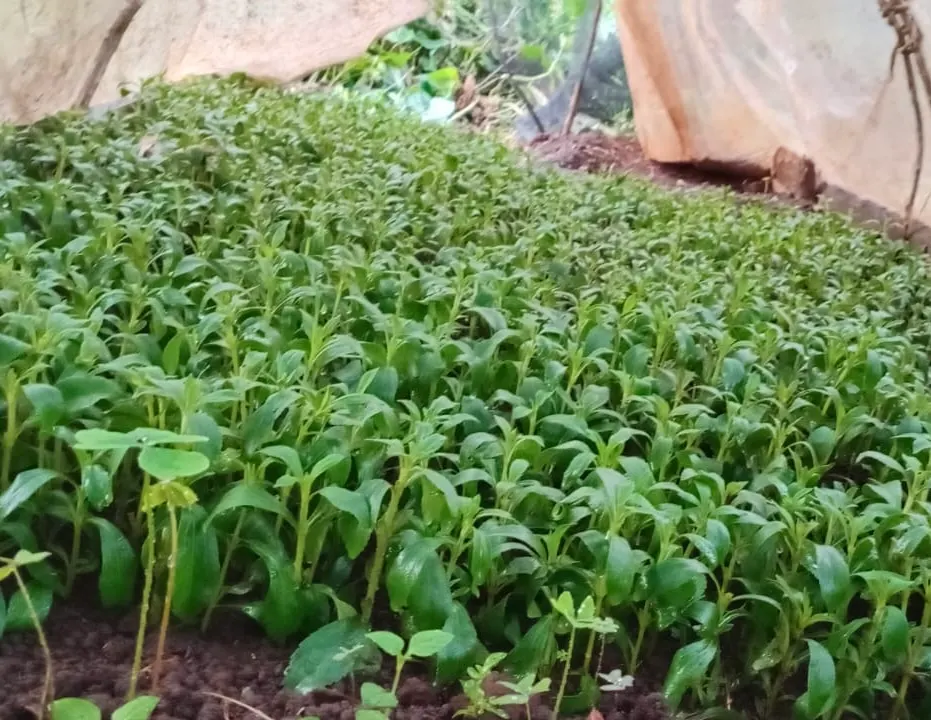
Homegrown stevia sweetener powder sold in small bags in Kericho
A leaf that is about ten times sweeter than sugar can be grown, ground and sold from half an acre.
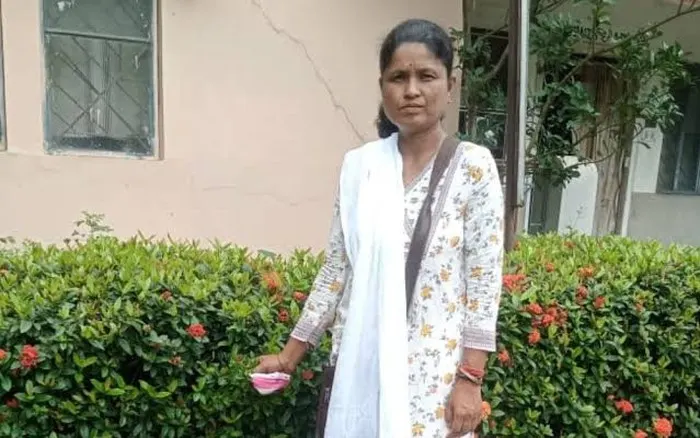
Backyard earthworm farm selling vermicompost and live worms in India
A widow started with about $6 and a bamboo bed of worms; the waste they eat became her income.
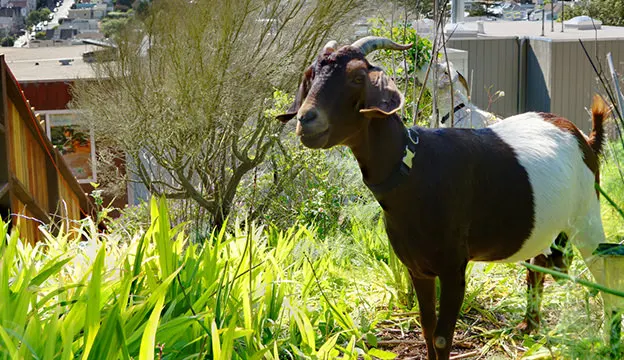
Weekly goat rental for brush and weed clearing in the US
Goats that clear brush and vines for paying landowners, with no herbicide and no heavy machinery.
More from this day

 Mexico
Old Volkswagen van turned into a street taco stand for beach towns
A worn-out 1963 van, a griddle and a beach full of hungry tourists: how one taco stand began.
Selling baklava by hand to concert crowds in New York
Three trays of baklava and a bold hello turned a joke bet into a real business.

Christmas bazaar organiser renting stalls to local makers in Mexico
Rent tables to local makers for a few weeks and turn an empty hall into a seasonal market.

 Thailand
Seasonal pre-order cake baked once a year from a home kitchen
One cake, one season a year: scarcity turns a home recipe into something people wait for.