
Selling baklava by hand to concert crowds in New York
Three trays of baklava and a bold hello turned a joke bet into a real business.
- Startup cost
- $200–900
- Low budget · under $1k
- Difficulty
- Easy
- Revenue potential
- Full-time living
- Time to launch
- Days
- Seen in
- United States
Costs and revenue are rough estimates based on the source and may differ by country.
A one-person way to sell ready-made baklava to queues outside concerts and games: low stock cost, quick to test, and sales that depend on how you approach people.
The idea
Buy finished baklava from a wholesaler or bakery and sell it by the piece to people waiting outside concerts, matches, parks and festivals. In New York, Jacob Komarow built Good Baklava, known as "Baklava Guy", this way. In September 2021 he bought three trays at a Middle Eastern grocery in California, sold them to concert-goers and, by his account, made three times his outlay. He then did it alongside freelance marketing work for almost three years.
What makes it stand out is the delivery. He walks up to strangers with a tray and asks, "Can I try to sell you some baklava?" He compares it to stand-up comedy: read the mood, listen, adjust. He later switched to Turkish-style baklava, about 40 thin layers with fine pistachio and a lemon syrup, supplied by a bakery in Turkey.
Typical prices he reports: 3 pieces for $10, 7 for $20, and 3 for $15 at music festivals.
Who it fits
Anyone comfortable talking to strangers and standing for hours. It works beside a job because events fall in evenings and weekends. You need no kitchen: only a supplier, a cooler bag or small table and a way to take cards. The same model fits any city with queues and nightlife, from stadium crowds to beach promenades and markets.
Costs and revenue
These are our estimates. A first test of a few trays costs roughly $100–300; with a table, packaging, a card reader and a food-handling permit, expect around $200–900 in total. At typical prices, a good evening might gross a few hundred dollars, so a part-time seller could reasonably expect roughly $500–3,000 a month, depending on events and cost of stock. The source says his business averaged over $20,000 a month in sales over nine months, but with staff, wholesale and online orders, and with swings: nearly $70,000 in December 2025, then under $10,000 the next month.
Risks and pitfalls
- Permits: street food rules vary; check vendor and food-safety licences, and ask venues about their policies.
- Seasonality: sales spike at holidays and drop afterwards; keep other income or add wholesale to cafés.
- Weather and spoilage: protect stock from heat and rain, and sell small batches.
- Thin margins if overbought: start with a few trays and reorder after each event.
- Rejection: expect many refusals; samples and a friendly, light tone help.
How to start
6 stepsTaste several wholesale baklava options and pick one you would proudly sell; buy only two or three trays.
Check local street-vendor and food-handling rules, and what each venue allows outside.
Get a cooler bag or small table, labelled boxes, napkins and a card reader.
Test one concert or match night; ask people directly and offer a taste.
Price in bundles, such as 3 for $10 and 7 for $20, and track what sells.
Film your pitch, then add festivals, cafés or online orders once demand is clear.
More in: Food & drink
 Brazil
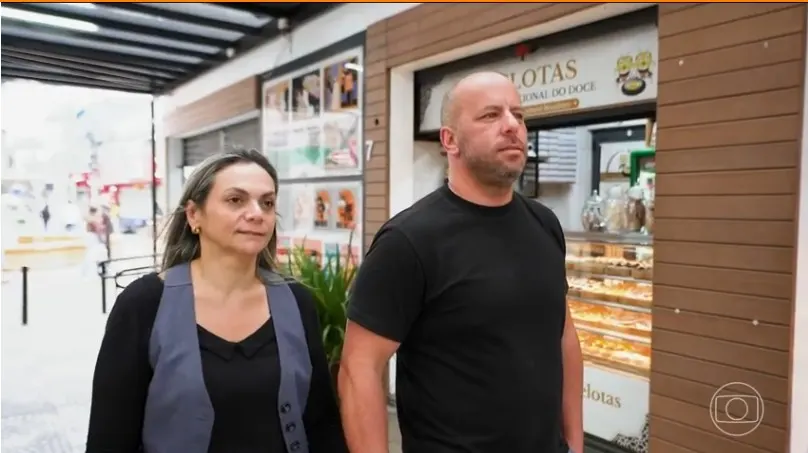
Home-kitchen Pelotas doces sold by pre-order to families and cafes
A two-century-old egg-yolk sweet tradition can start on your own kitchen counter, one pre-order at a time.
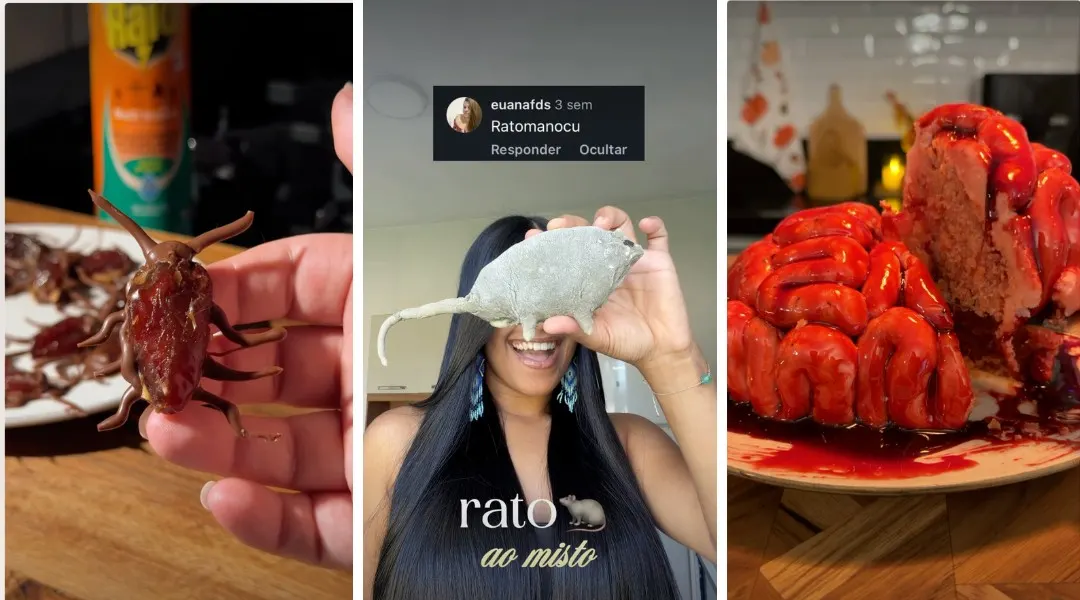
Novelty Halloween treats sold by pre-order from a home kitchen in Brazil
Cockroach dates, rat-shaped snacks and brain cakes: gross-looking food that goes viral and sells.
More from this day
 Mexico
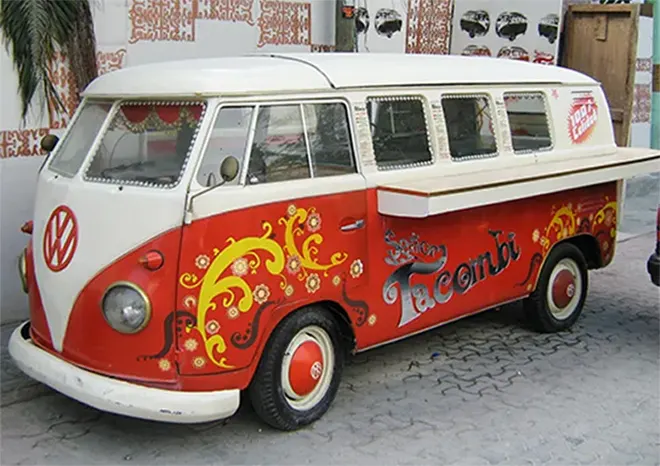
Old Volkswagen van turned into a street taco stand for beach towns
A worn-out 1963 van, a griddle and a beach full of hungry tourists: how one taco stand began.
 India
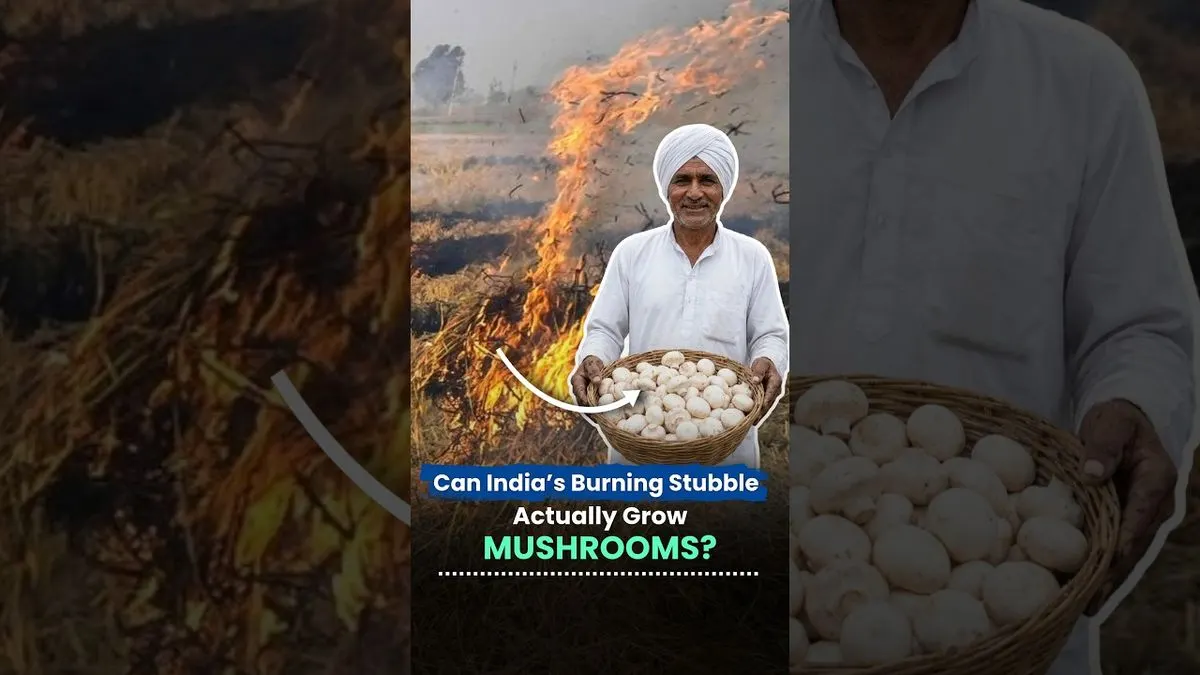
Growing oyster mushrooms on leftover paddy straw in India
Straw that farmers burn can become fresh mushrooms for local markets and restaurants.

Christmas bazaar organiser renting stalls to local makers in Mexico
Rent tables to local makers for a few weeks and turn an empty hall into a seasonal market.
 Thailand
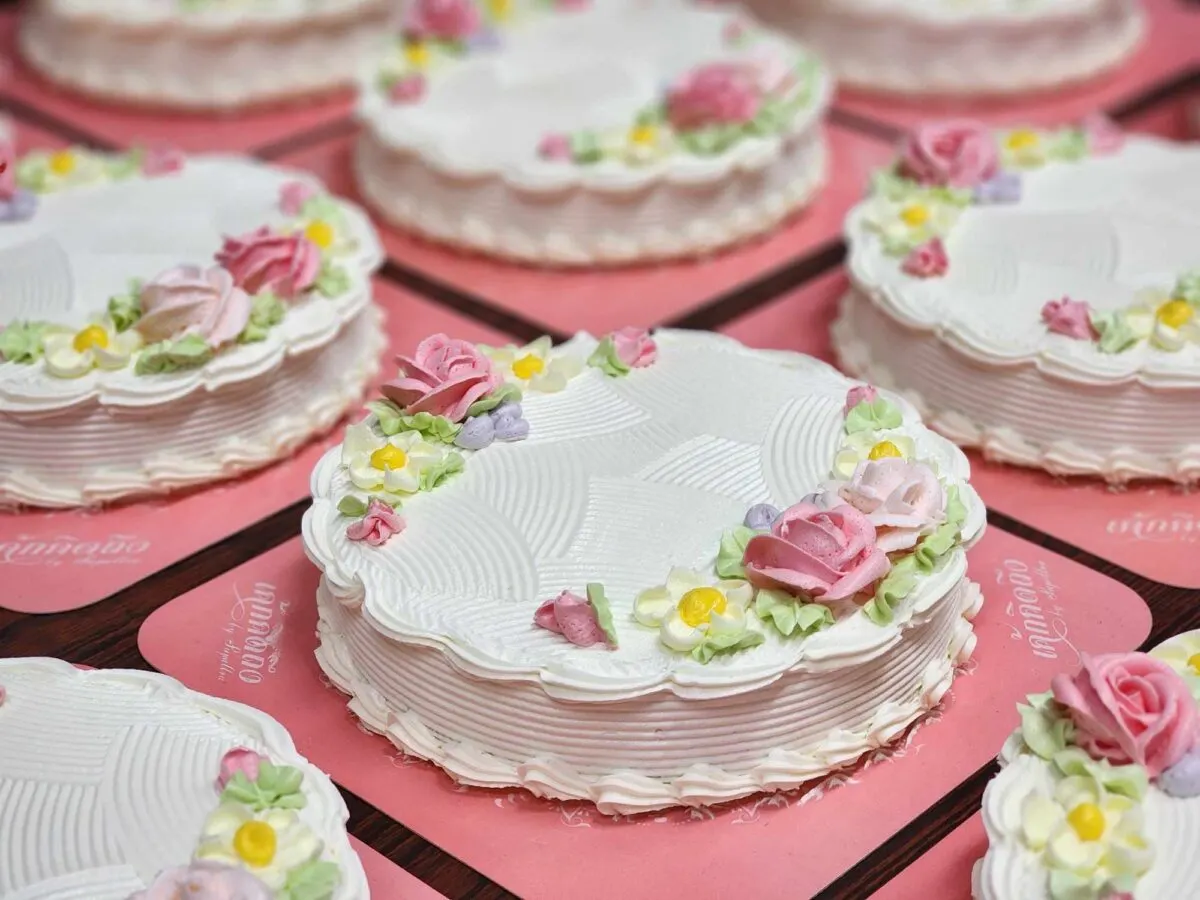
Seasonal pre-order cake baked once a year from a home kitchen
One cake, one season a year: scarcity turns a home recipe into something people wait for.