
Seasonal pre-order cake baked once a year from a home kitchen
One cake, one season a year: scarcity turns a home recipe into something people wait for.
- Startup cost
- $300–900
- Low budget · under $1k
- Difficulty
- Medium
- Revenue potential
- Side income
- Time to launch
- Weeks
- Seen in
- Thailand
Costs and revenue are rough estimates based on the source and may differ by country.
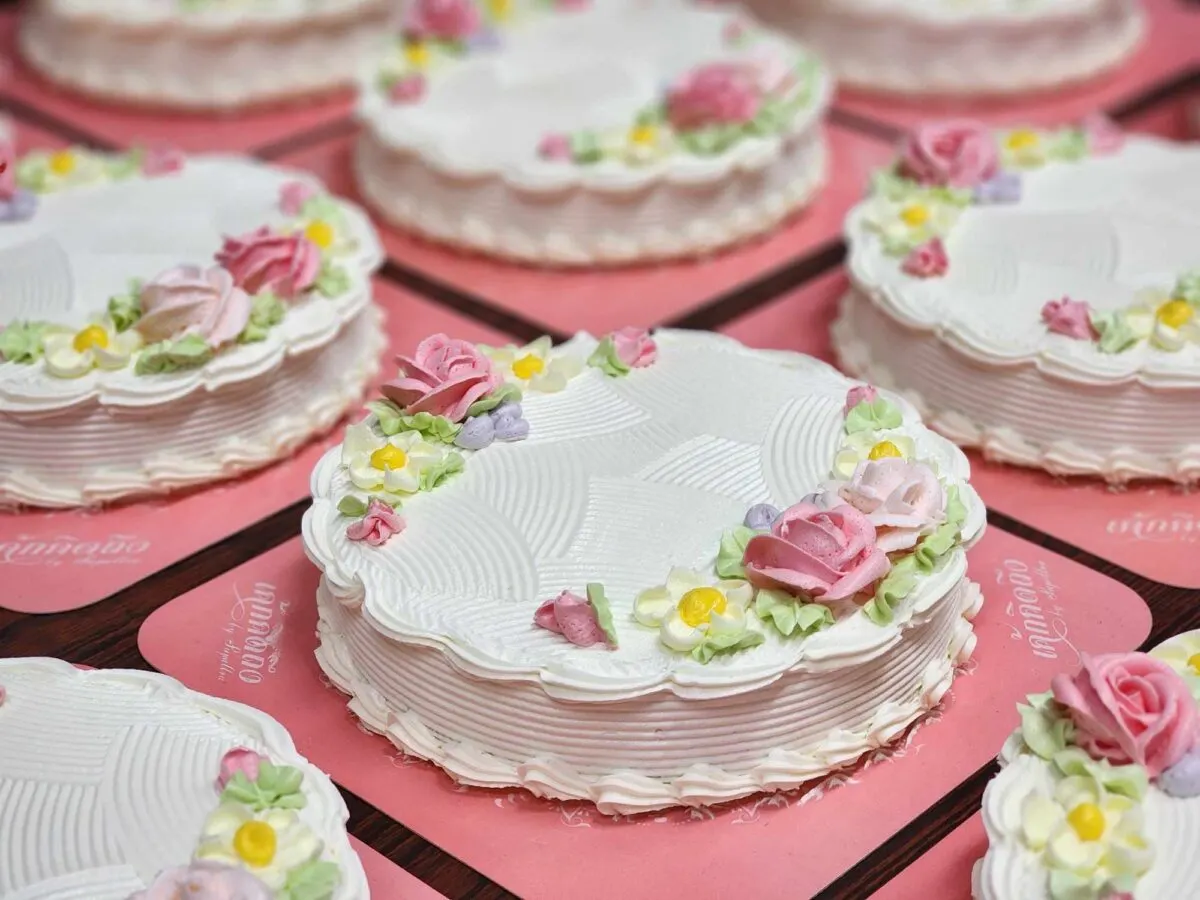
A Korat cake shop opens its oven only from late November to early January. Here is the one-person version: a single signature cake, sold by pre-order from home.
The idea
In Korat, Thailand, a cake shop called "Kek Khit Thueng" (เค้กคิดถึง, roughly "missing-you cake") fires up its oven only once a year, from late November to early January. According to the business, it began in 1979 with a mother who wanted to bake a treat for her own grandmother, and the recipe slowly grew into a signature cake. Customers wait for the season every year, and a bus company helps deliver cakes. A daughter now handles orders, back-office work and customer messages.
The one-person version: perfect one cake, open orders for a short winter window, bake only what is pre-sold. The limited season is the marketing; people order early because they know it ends.
Who it fits
Anyone with a home oven, a clean kitchen and a recipe people already praise. It works beside a job because you bake in a few weeks of the year, often on weekends. Family members can help with boxing and delivery. It suits any place with a gifting season: winter holidays, Lunar New Year, Ramadan or Christmas markets.
Costs and revenue
These are editorial estimates. Expect roughly $300–900 to start: a good oven thermometer, extra pans, food-grade boxes, ribbon, labels, a scale and a first batch of ingredients. If your area requires a home-food registration, add that fee.
Price by ingredient cost times three or more, plus packaging. Selling 30–100 cakes in a season at $10–25 could typically bring in around $300–2,500 in total, so think of it as a strong seasonal side income, not a salary.
Risks and pitfalls
- Regulation: many places limit home-sold food. Check licensing before taking money.
- Capacity: overbooking ruins the reputation. Cap orders and close the list when full.
- Shelf life and transport: test how the cake survives boxes and long journeys; use cooling and sturdy packaging.
- Ingredient prices in peak season: buy early and fix prices at pre-order.
- Fading memory: keep a customer list and message them before each season.
How to start
6 stepsPick one cake and bake test batches until friends would pay for it.
Check your local rules for selling home-made food and register if needed.
Buy sturdy boxes, labels and a scale, and cost each cake including your time.
Announce a fixed order window with a pickup or delivery date on social media and chat apps.
Cap orders to what you can bake, take deposits, and confirm each order by message.
After the season, collect reviews and contacts so next year's list fills faster.
More in: Food & drink

 India
Homemade thekua sold from your own kitchen in India
A family recipe for Bihar's thekua turned one Bengaluru kitchen into a snack brand shipping across India
 China
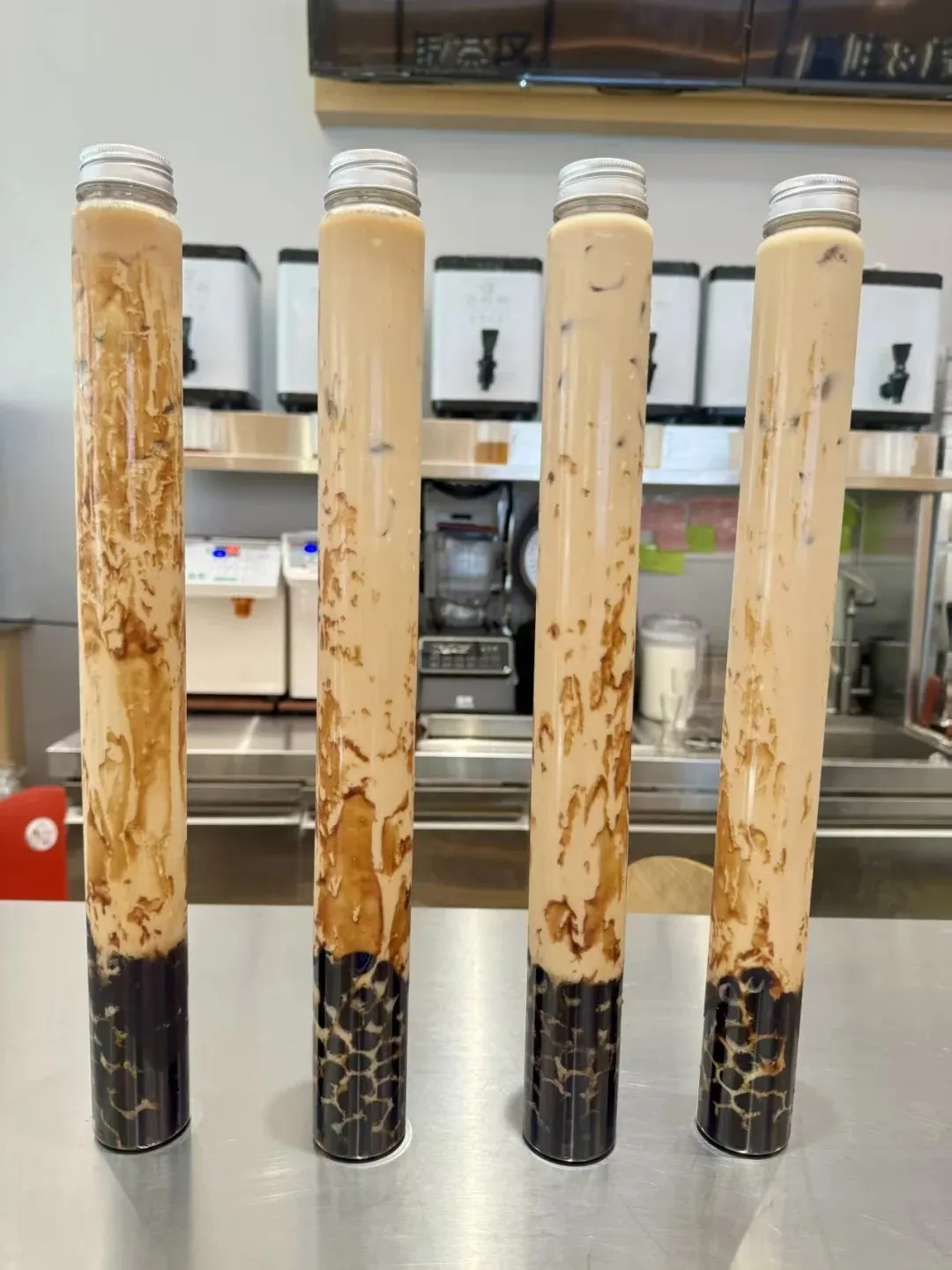
Half-metre milk tea cups sold as a photo-op from a campus cart
Same tea, taller cup: students in China queue to photograph drinks nearly half a metre high.
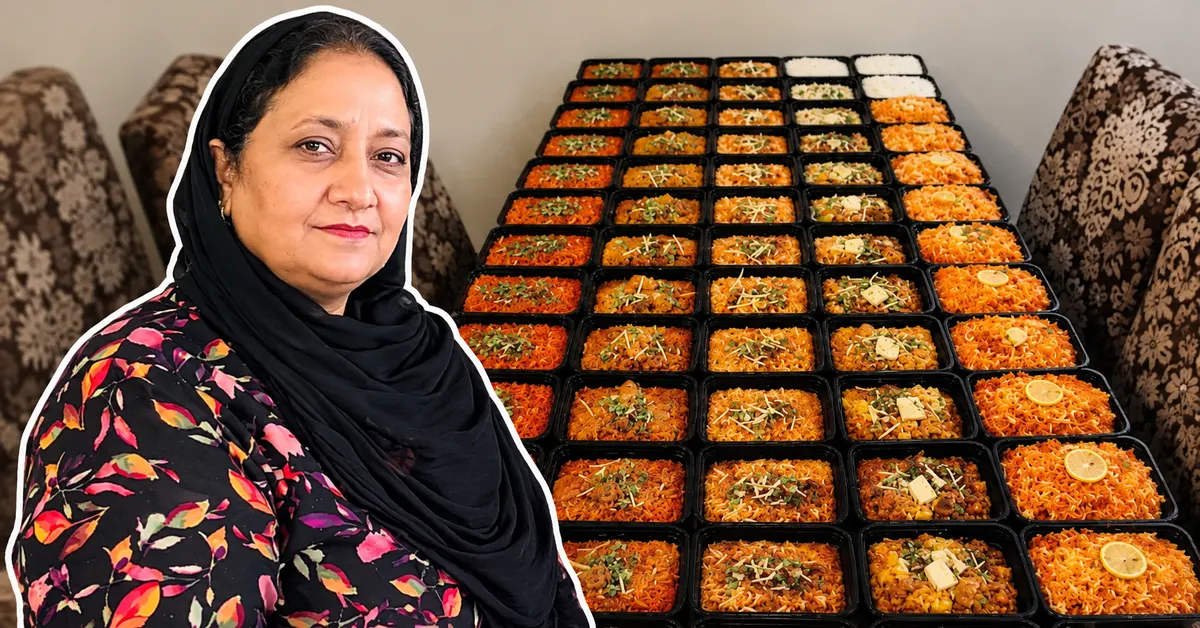
Home-kitchen tiffin and event catering in Srinagar, Kashmir
She began with one tiffin box and her own stove, and now feeds 200-guest events.
More from this day

 Vietnam
Hand-carved horn combs from a home workshop, Thuy Ung style
A 500-year-old village craft turns buffalo horn into combs that win gift buyers and export orders.
 Brazil
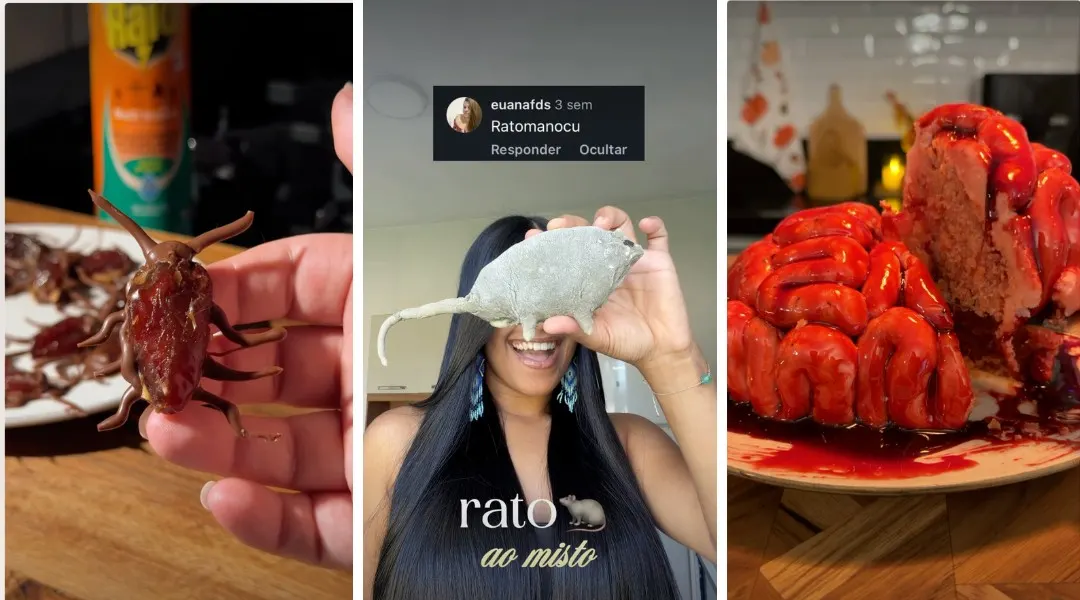
Novelty Halloween treats sold by pre-order from a home kitchen in Brazil
Cockroach dates, rat-shaped snacks and brain cakes: gross-looking food that goes viral and sells.