
Backyard earthworm farm selling vermicompost and live worms in India
A widow started with about $6 and a bamboo bed of worms; the waste they eat became her income.

- Startup cost
- $50–400
- Low budget · under $1k
- Difficulty
- Easy
- Revenue potential
- Side income
- Time to launch
- Weeks
- Seen in
- India
Costs and revenue are rough estimates based on the source and may differ by country.
Raise compost worms in a garden corner or spare room and sell vermicompost, starter worms and, where there is demand, fishing bait and feed to farmers and gardeners.
The idea
Earthworms turn rotting plant matter and cow dung into vermicompost, and the worms themselves can be sold too. The smallest version is one or two beds in a garden corner or a shaded spare room. Income comes from bagged vermicompost for gardeners and farmers, and from live compost worms (Eisenia fetida) for people who want to start their own bins. Where there are anglers, poultry keepers or small fish ponds, worms can also be tested as bait and protein feed, though that is our suggestion rather than part of the case below.
The case behind this profile is Kanika Talukdar of Borjhar village, Nalbari district, Assam, India. Widowed in 2008 with a four-month-old daughter, she joined a farm-science training in 2014 and started with 500 rupees (about $6). She built beds from bamboo and received 1 kg of Eisenia fetida from the training centre. Her first batch was around 800 kg of vermicompost, sold in small bags for about 8,000 rupees. The hardest part was finding buyers, because local farmers used chemical fertiliser. She visited them, explained the benefits and reinvested her sales into more beds. Later she created a brand, Jayatu Organic Products, and sold through Amazon, Flipkart and the Government e-Marketplace. Reports mention about 70 tonnes a month, about 10 workers and annual revenue of 7–7.5 million rupees. That is revenue, not profit, and the figures differ between sources. Treat it as what years of reinvesting can lead to; you begin with a few beds.
Who it fits
Anyone with a little shaded space, patience and willingness to talk to buyers. Daily care (feeding, watering, checking) typically takes 30–60 minutes, so it works beside a job. It suits warm and temperate regions with farms, vegetable gardens or anglers nearby, such as Vietnam, the Philippines, Kenya, Brazil or southern Europe.
Costs and revenue
Expect roughly $50–400 for timber or crates, shade cover, a first kilo or two of worms, bags and a scale. Starter worms often come from a local agriculture office or breeder. You sell vermicompost by the kilo and worms by weight or by the pack, so check local garden-shop prices before setting yours. As an estimate, a few beds might bring $50–300 a month in the first year, rising as you add beds and secure regular buyers. The reported profit of 150,000 rupees a month (roughly $1,700) came after years of growth and a paid team; do not plan on it early.
Risks and pitfalls
- Moisture and heat: worms die in dry or overheated beds. Keep them shaded, damp like a wrung-out sponge, and covered.
- Feed supply: secure free manure and plant waste before you start, and avoid anything salty, oily or chemically treated.
- Finding buyers: farmers may not trust a new product. Give small trial bags and show results on a test plot.
- Smell and pests: a well-managed bed is nearly odourless; fix overfeeding fast and keep beds away from neighbours' windows.
- Rules: check local labelling or registration rules for fertiliser, feed and live bait.
How to start
6 stepsVisit a local agriculture office or experienced breeder and learn how to keep Eisenia fetida alive in your climate.
Build one shaded, damp bed from timber, bamboo or crates and gather free manure and plant waste.
Buy 1–2 kg of starter worms and keep a simple log of feeding, moisture and temperature.
Give small trial bags of vermicompost to gardeners and farmers and ask them to report results.
Price by the kilo, bag it, and sell at markets, garden shops and social media groups.
Add beds from sales, then list worms and compost on e-commerce platforms.
More in: Agriculture
 United States
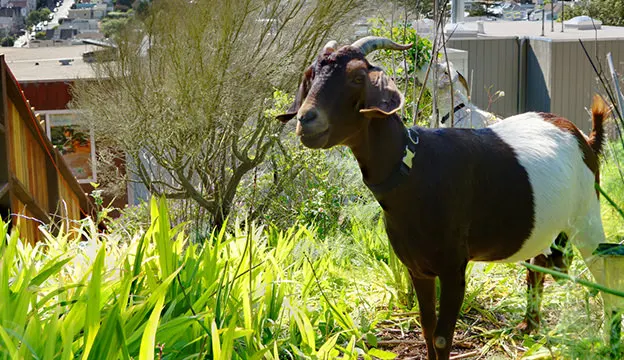
Weekly goat rental for brush and weed clearing in the US
Goats that clear brush and vines for paying landowners, with no herbicide and no heavy machinery.
More from this day
 Kenya
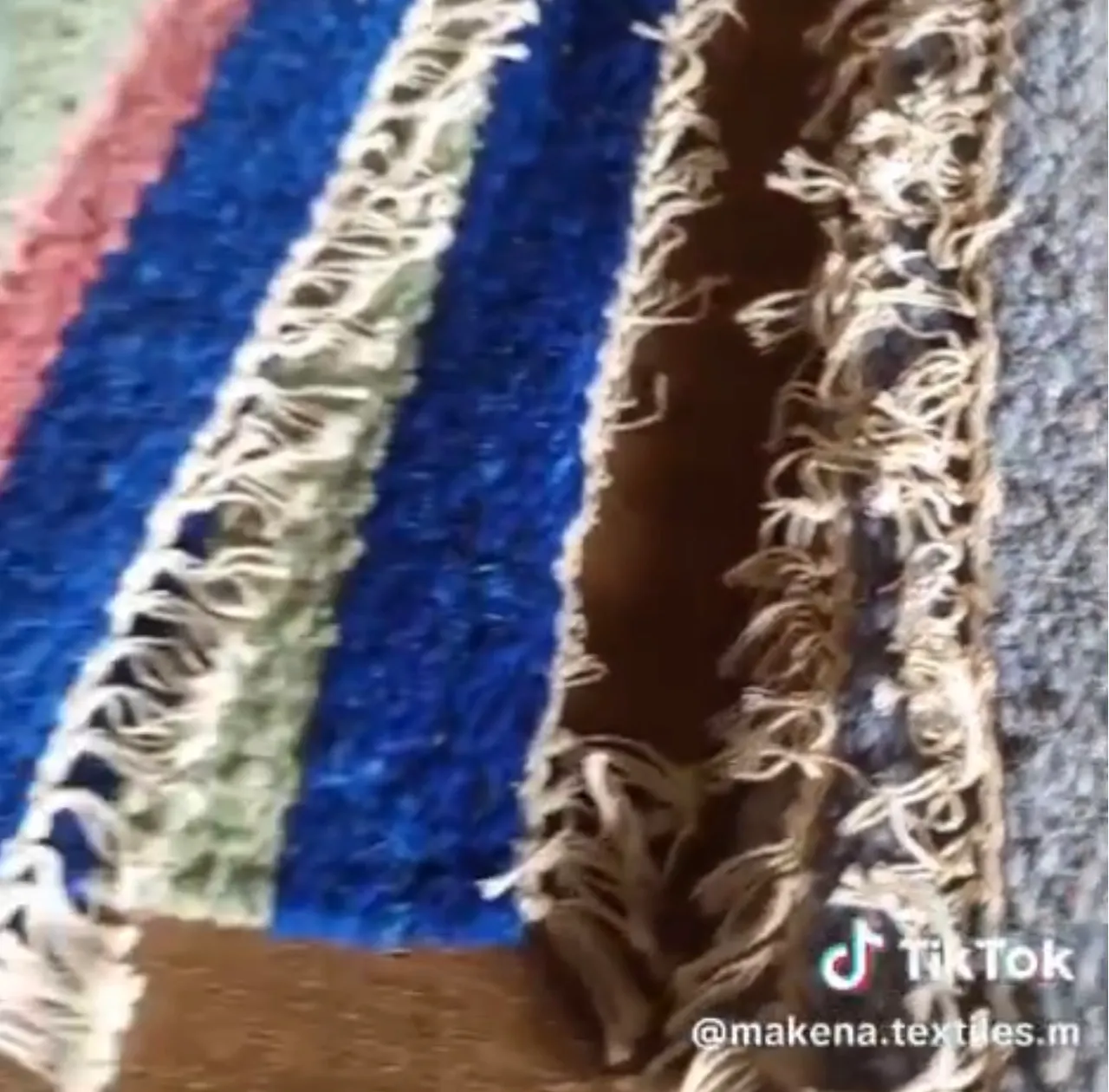
Hand-spun wool scarves and rugs sold online from Meru, Kenya
Raw wool costs pennies a kilo; woven into a rug it sells for hundreds of dollars.

 Saudi Arabia
Memory clinic: turning families' old photos and tapes into books
Old photos fade and cassettes decay, so families will pay to turn them into one book.

 Brazil
Hot Brazilian broth stall for evening crowds in Rio de Janeiro
She started with about R$300 and a borrowed stall; broth now pays her far more than manicures did.

Sattu health mixes and ready-to-drink packs from a Bihar home kitchen
Roasted gram flour, a Bihar village staple, is being repackaged as a modern protein drink people buy online.