
Hand-spun wool scarves and rugs sold online from Meru, Kenya
Raw wool costs pennies a kilo; woven into a rug it sells for hundreds of dollars.
- Startup cost
- $250–900
- Low budget · under $1k
- Difficulty
- Medium
- Revenue potential
- Side income
- Time to launch
- Weeks
- Seen in
- Kenya
Costs and revenue are rough estimates based on the source and may differ by country.
Spin raw sheep's wool by hand, dye it with plants and weave scarves, shawls or rugs on a simple loom, then sell directly through TikTok, fairs and online.
The idea
You buy raw sheep's wool, clean it, spin it into yarn, dye it and weave finished pieces: scarves, shawls and rugs. Customers pay for warmth, durability and the story of something made by hand.
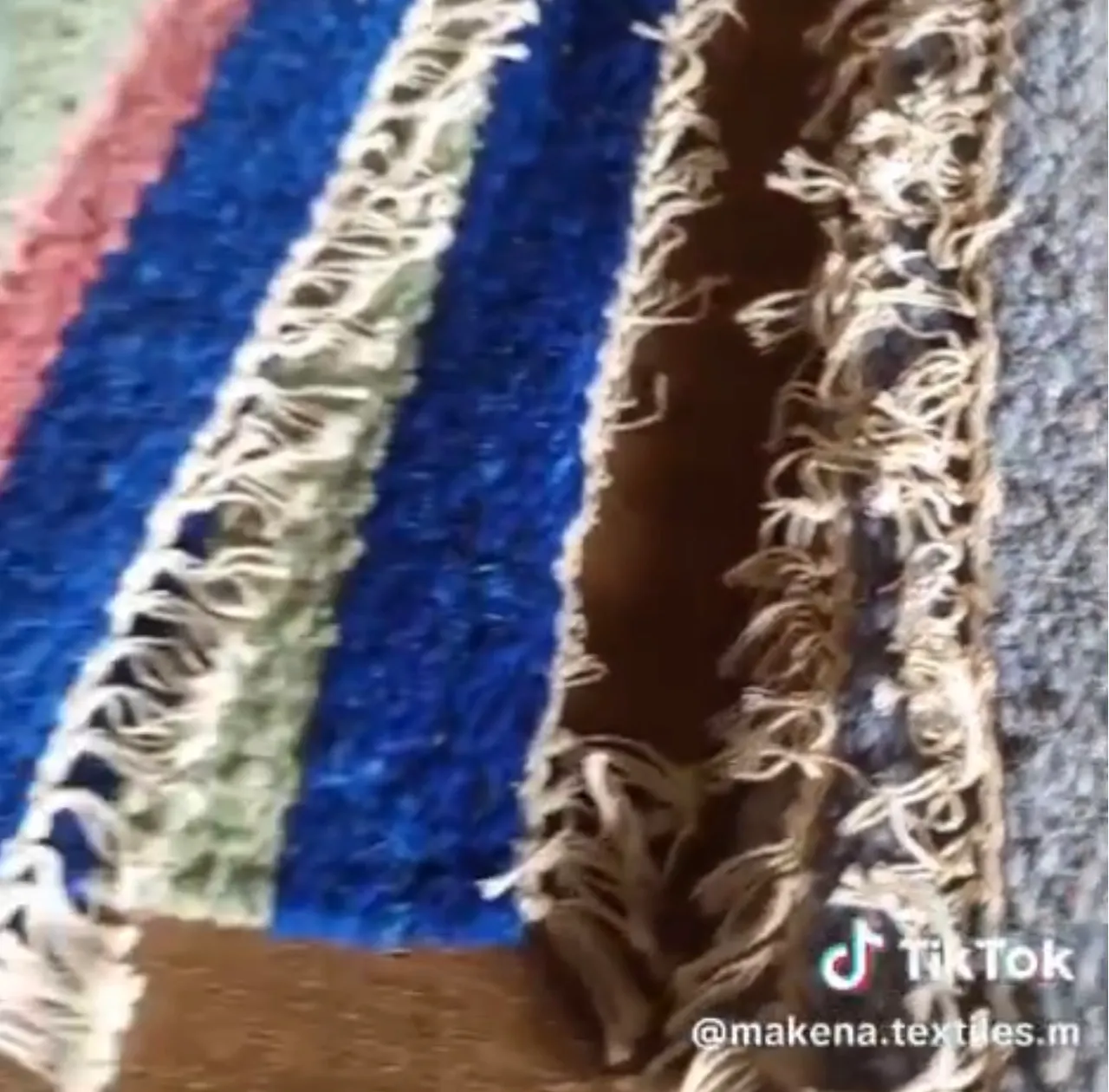
The model is observed in Meru, Kenya, where the women's group Makena Textiles works from the Kenya Industrial Estate. According to the group, about Sh3,000 of raw wool becomes a carpet that sells for Sh55,000. Wool arrives raw, is sorted by colour, length and quality, picked clean of dust, stones and mould, then spun on traditional wheels. Yarn is dyed with plants such as blackjack and Majara, sometimes with added chemical dyes, and woven on wooden frames strung with cotton twine. A small carpet uses about 2.5 kg of wool and takes 2-3 days; a large one takes 25 kg and 3-4 weeks.
The group lost its foreign sponsor and its overseas buyers, so it now sells on its own at horse shows, Christmas fairs and, newly, on TikTok. This profile describes the one-person version.
Who it fits
People with patient hands, a spare room or covered yard and some evenings a week. Spinning and weaving can be learned from a local weaver or online videos in a few weeks. It works beside a job, since pieces are made one at a time. Wool-growing regions with sheep farms, such as the Andes, Anatolia, Mongolia or Scotland, suit the same model. Scarves are a faster entry than rugs.
Costs and revenue
The group pays roughly Sh100-120 per kg for white wool and Sh60-80 for brown. Besides wool you need a spinning wheel, a frame loom, dye materials, a phone for photos and video. Expect roughly $250-900 to start, mostly the wheel and loom (these are our estimates).
Prices in the source: small carpets Sh4,000, large ones Sh55,000. Scarves and shawls can be priced by hours worked plus wool. As an estimate, a part-time maker selling a few pieces a month might earn $100-400. Members of the group once made Sh8,000-10,000 each monthly, now sometimes as little as Sh3,000.
Risks and pitfalls
- Weak demand: the group sometimes goes weeks without orders. Build a social following before making stock, and take pre-orders.
- Middlemen: a shop that resold carpets at double price slowed their sales. Sell direct where you can.
- Wool supply: farmers may prefer to export. Agree a regular supplier, ideally on credit or delivery.
- Long making time: large rugs take weeks. Sell small items for steady cash.
- Quality: check wool for mould and dirt before spinning.
How to start
6 stepsLearn spinning and weaving from a local weaver and make three test scarves.
Find a sheep farm to supply raw wool, ask about credit or delivery.
Buy a spinning wheel and frame loom, and collect plant dyes locally.
Film the making process and post short videos on TikTok and Instagram regularly.
Price by wool weight plus hours worked, and take pre-orders for rugs.
Add fairs and shows, then train others once orders become steady.
More in: Crafts & making
 United States
Hand-lettered wedding photo booth props from a home studio
Give wedding photo booths props worth holding, and offer couples a keepsake that replaces the usual greeting card.
 Australia
Pen-and-ink house portraits sold as framed gifts to homeowners
People will pay to hang a drawing of the home they love, and you only need a pen and a photo.
 Brazil
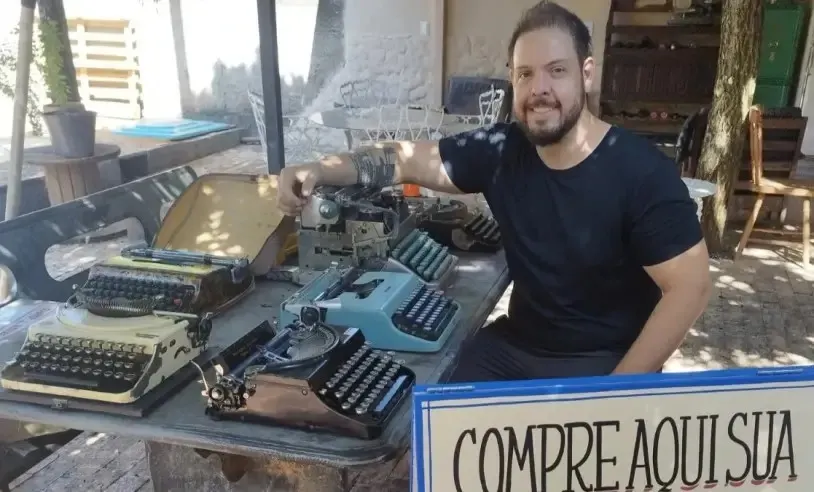
Restoring and reselling vintage typewriters from a home workshop
People tired of screens will pay for a machine that does one thing: let them write.
 India
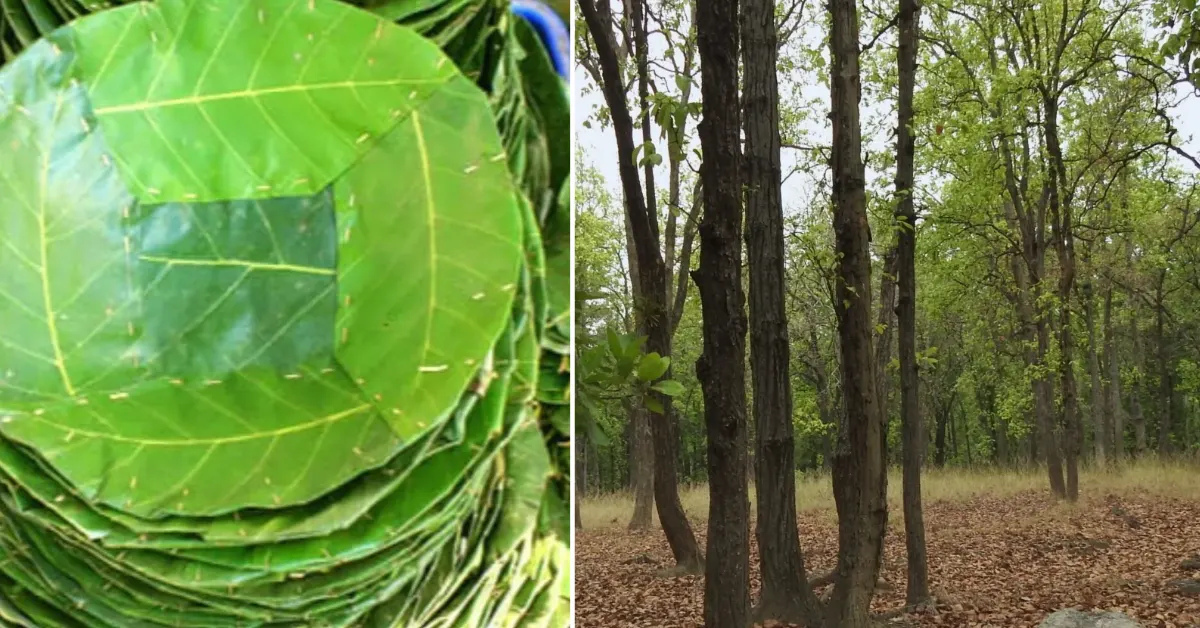
Hand-stitched sal leaf plates for caterers and temples in India
Fallen forest leaves, a bamboo splinter and a skilled hand become plastic-free plates that caterers buy by the hundred.
More from this day

 Saudi Arabia
Memory clinic: turning families' old photos and tapes into books
Old photos fade and cassettes decay, so families will pay to turn them into one book.
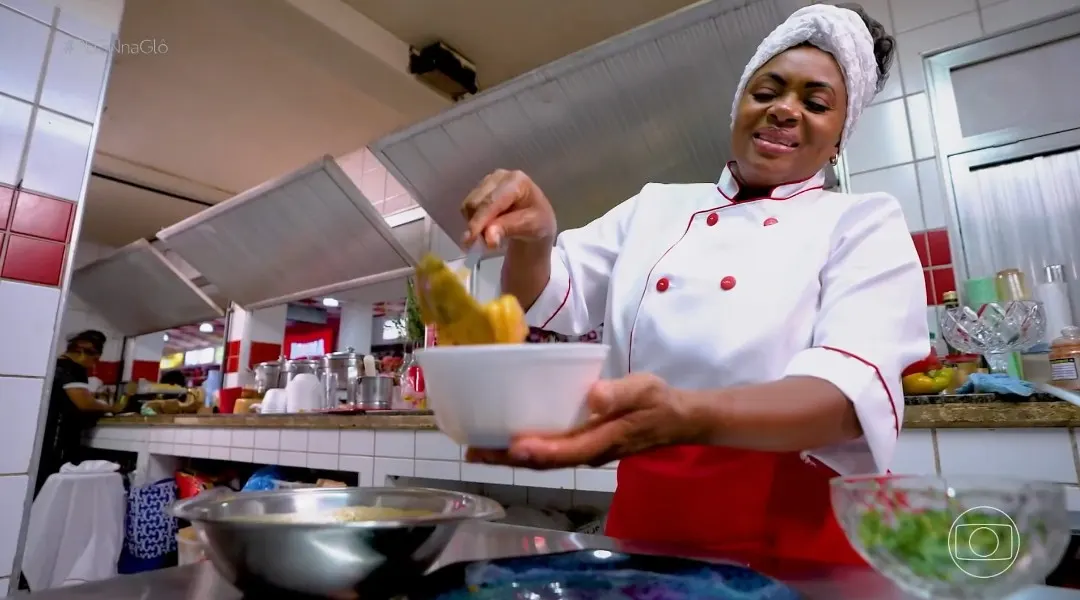
Hot Brazilian broth stall for evening crowds in Rio de Janeiro
She started with about R$300 and a borrowed stall; broth now pays her far more than manicures did.

Sattu health mixes and ready-to-drink packs from a Bihar home kitchen
Roasted gram flour, a Bihar village staple, is being repackaged as a modern protein drink people buy online.
 Indonesia
Hatch-window rice stall for mall and office workers in Jakarta
A hole in a mall wall, a counter and a few stools: cheap home-style rice meals for hungry staff.