
Sattu health mixes and ready-to-drink packs from a Bihar home kitchen
Roasted gram flour, a Bihar village staple, is being repackaged as a modern protein drink people buy online.
- Startup cost
- $2.5k–5k
- Mid budget · $1k–10k
- Difficulty
- Medium
- Revenue potential
- Full-time living
- Time to launch
- Weeks
- Seen in
- India
Costs and revenue are rough estimates based on the source and may differ by country.
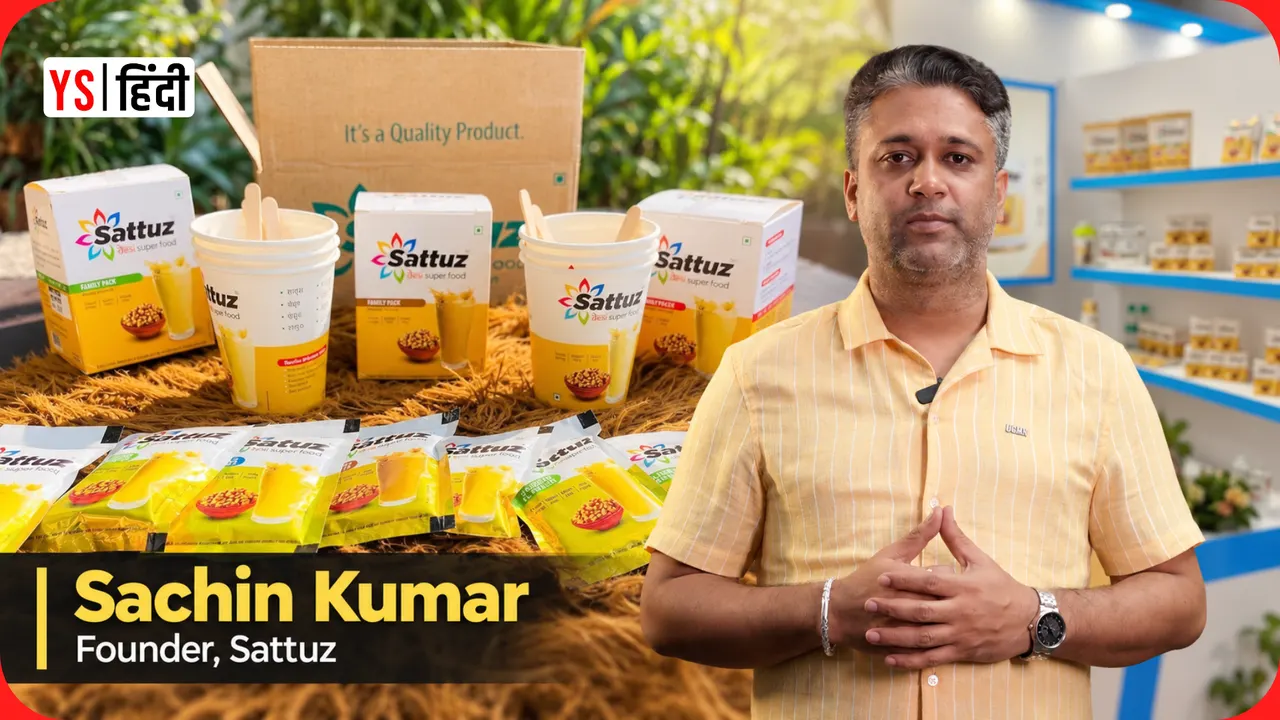
Sachin Kumar of Madhubani started Sattuz with about ₹3 lakh, selling sattu as a modern nutrition product. Here is the one-person version of that idea.
The idea
Sattu is roasted gram flour, a cheap, protein-rich staple across Bihar and eastern India, traditionally stirred into water with salt or jaggery. The idea is to sell it the way a health brand would: clean packs, ready-to-mix sachets, flavoured blends and ready-to-drink bottles.
According to the business, Sachin Kumar of Madhubani, Bihar, began Sattuz with about ₹3 lakh (roughly $3,600) and positions sattu as a modern nutrition brand. The reported revenue is around ₹4 crore (roughly $480,000), though that is the grown company. The smallest version is you, a clean kitchen, a small mill or a trusted miller, and a few well-designed packs.
Who it fits
This suits someone who knows sattu from home, can cook or process food hygienically and enjoys explaining a product. It can run beside a job at first, since roasting, grinding and packing are batch work you can do in the evenings or at weekends. You need a room you can keep clean, access to gram, and a phone for selling.
The same logic works wherever a traditional grain or pulse flour is cheap and trusted but poorly presented: think chickpea, millet or barley flours in other countries.
Costs and revenue
Expect roughly $2,500–5,000 to start (estimate): roasting and grinding equipment or a miller's fees, a sealer, food-grade pouches, labels and a licence, plus photos and a simple online shop.
- Raw gram is cheap, so margin comes from packaging, flavours and brand rather than the flour itself.
- Typical selling formats: 500 g and 1 kg packs, single-serve sachets, bundles for gifting.
- A realistic early range is about $400–1,500 a month in sales, rising if online orders repeat. These figures are estimates, not the source's.
Risks and pitfalls
- Food licensing. In India you typically need FSSAI registration before selling packed food; apply first.
- Shelf life. Flour can go stale or attract moisture. Use sealed pouches, test shelf life and date every batch.
- Crowded shelf. Many sellers offer sattu. Differentiate with taste, a clear use (breakfast, gym, summer cooler) and honest labelling.
- Health claims. Avoid medical promises; stick to ingredients and nutrition facts.
- Shipping. Powders leak and damp ruins them; pack sturdily and start with local or regional delivery.
How to start
6 stepsSell trial packs of sattu to friends and neighbours and note which flavours and pack sizes people reorder.
Source quality gram and decide: buy a small roaster-grinder or pay a local miller, and test shelf life.
Register for FSSAI, then order food-grade pouches and labels with ingredients, weight and date.
Sell through WhatsApp, local markets and a marketplace listing, using clear photos and simple recipes.
Price per serving, not per kilo, and test bundles such as a monthly subscription pack.
Add ready-to-drink or flavoured lines once repeat orders prove demand.
More in: Food & drink
 United States
Home-baked cupcakes sold at a local market and to TV sets
A social worker's market cupcakes grew into a repeat order from a TV show.

 Brazil
Gourmet brigadeiros in unusual flavours sold by the box
Lavender, caipirinha and beer brigadeiros turned a home kitchen into a brand.
More from this day
 Kenya
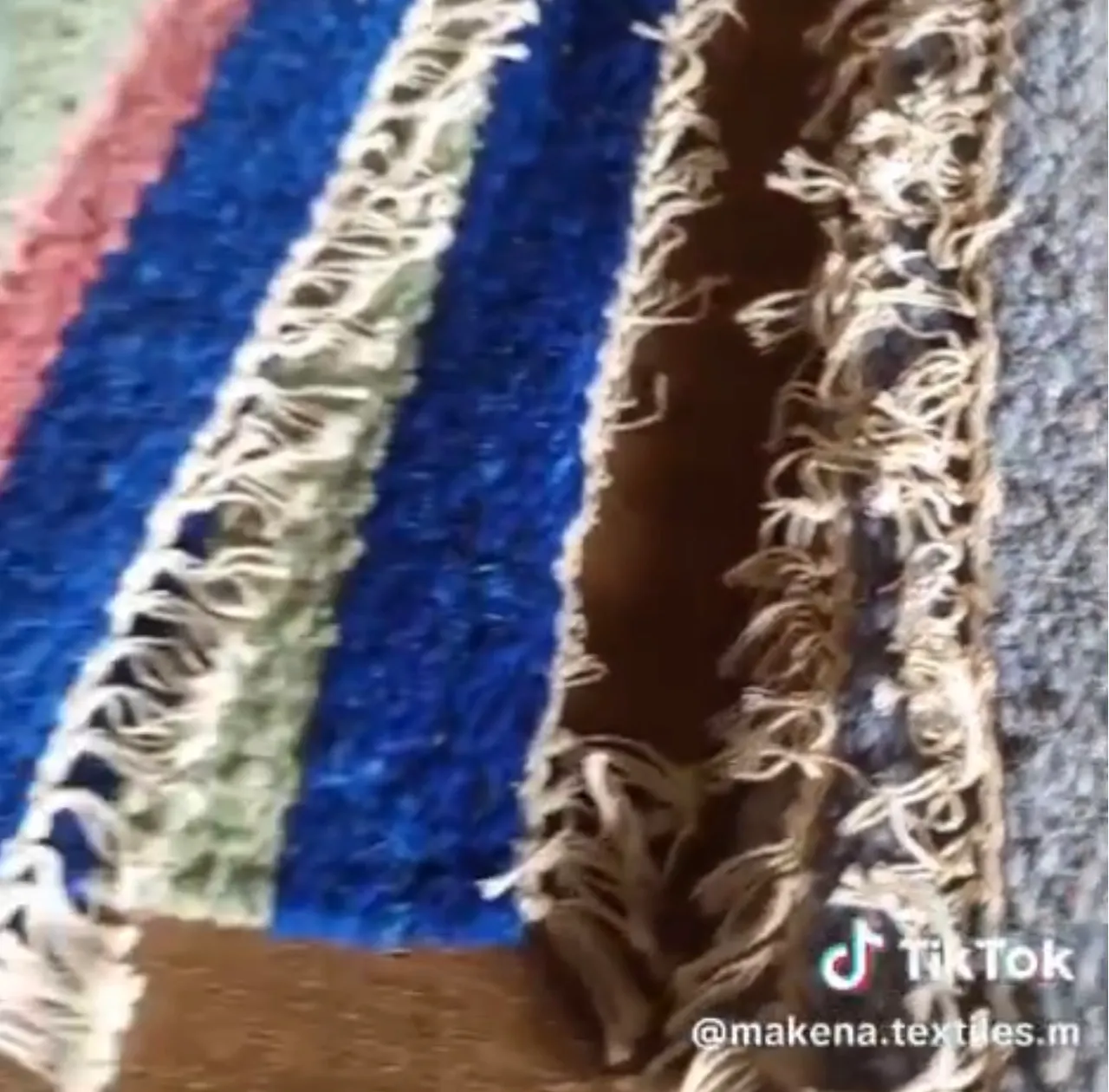
Hand-spun wool scarves and rugs sold online from Meru, Kenya
Raw wool costs pennies a kilo; woven into a rug it sells for hundreds of dollars.

 Saudi Arabia
Memory clinic: turning families' old photos and tapes into books
Old photos fade and cassettes decay, so families will pay to turn them into one book.
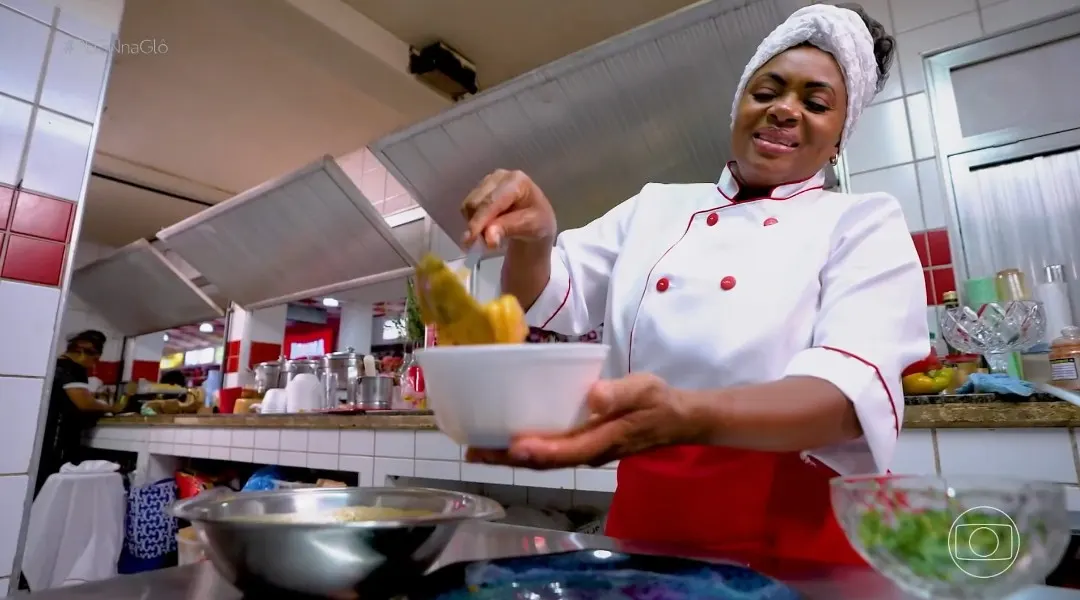
Hot Brazilian broth stall for evening crowds in Rio de Janeiro
She started with about R$300 and a borrowed stall; broth now pays her far more than manicures did.
 Indonesia
Hatch-window rice stall for mall and office workers in Jakarta
A hole in a mall wall, a counter and a few stools: cheap home-style rice meals for hungry staff.