
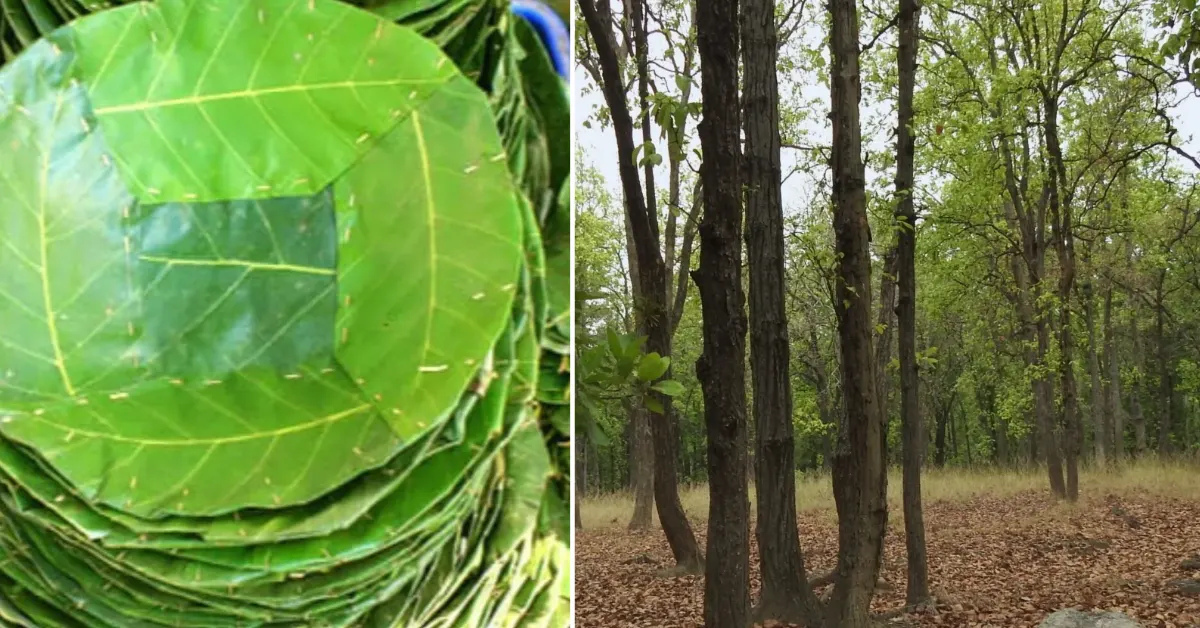
Hand-stitched sal leaf plates for caterers and temples in India
Fallen forest leaves, a bamboo splinter and a skilled hand become plastic-free plates that caterers buy by the hundred.
- Startup cost
- $50–300
- Low budget · under $1k
- Difficulty
- Easy
- Revenue potential
- Side income
- Time to launch
- Weeks
- Seen in
- India
Costs and revenue are rough estimates based on the source and may differ by country.
Stitch fallen sal leaves into biodegradable plates and bowls, then sell them to caterers, temples and households as a plastic-free alternative to disposables.
The idea
In the sal forest belt of eastern and central India (Odisha, Jharkhand, Chhattisgarh, West Bengal, Bihar and Madhya Pradesh), families collect mature leaves of the sal tree (Shorea robusta) and stitch them together into disposable plates and bowls. The big plate is commonly called pattal or khali; the small bowl is a dona. They are used at everyday meals, weddings, religious ceremonies and community feasts. Unlike plastic, they break down naturally after use. Research on the craft describes it as an important income source for tribal communities in several states, made both by hand and with pressing machines.
Your business is the hand-stitched version: gather fallen leaves, stitch them, bundle them and sell to caterers, temples, sweet shops, street-food sellers and households that host events.
Who it fits
This suits a person or family living near sal forest or a leaf supplier, with patience and steady hands. It needs no formal skills beyond learning the stitch, which is traditionally passed down in families. It works beside farming or a job, because stitching can be done in the evening at home. Similar leaf-plate crafts exist elsewhere in India and in other tropical countries, so the same model could work wherever large, sturdy leaves grow.
Costs and revenue
These figures are editorial estimates, not from the source. Expect to start with roughly $50–300: a basket or sack for collecting, bamboo or thin stick splinters for stitching, a sharp knife, a drying area, and simple packaging. If you buy leaves rather than collect them, add a small weekly budget. A hand press machine would cost more and is optional.
Pricing is per hundred plates. Sell directly to caterers and temples for better margins than through a middleman. A careful stitcher working part-time might typically earn around $40–150 a month; a family selling in bulk to event caterers could reach $150–400, depending on local prices and festival season.
Risks and pitfalls
- Forest access rules: check local rules and community rights before collecting leaves. Use fallen or mature leaves and never strip trees.
- Seasonality: leaf quality and supply vary by season; build a dry stock and sell more at wedding and festival times.
- Low margins: hand work is slow and prices are low. Sell in bulk and directly to reduce middlemen.
- Hygiene and spoilage: damp leaves turn mouldy. Dry, clean and store them in a ventilated place.
- Machine competition: pressed plates are cheaper. Compete on the traditional look and sturdy, handmade quality.
How to start
6 stepsVisit local caterers and temple committees to ask what size, quantity and price they need for plates and bowls.
Learn the stitch from an experienced family or self-help group, and practise until plates are even and leak-free.
Check local forest rules, then arrange a legal leaf supply from collectors or your own land.
Gather bamboo splinters, a knife, drying space and bags; dry and sort leaves before stitching.
Offer free samples of 50 plates to two caterers and a temple, then take a first bulk order.
Price per hundred, add bowls and bigger sizes, and recruit neighbours for festival and wedding seasons.
More in: Crafts & making
 Brazil
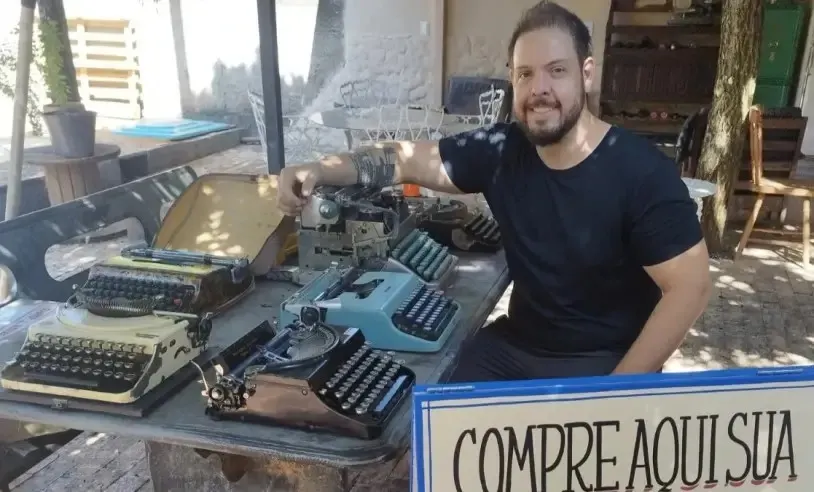
Restoring and reselling vintage typewriters from a home workshop
People tired of screens will pay for a machine that does one thing: let them write.

 Thailand
Hand-made stickers and colouring books sold from a home studio
Small drawings on paper helped one young artist clear a huge student loan.
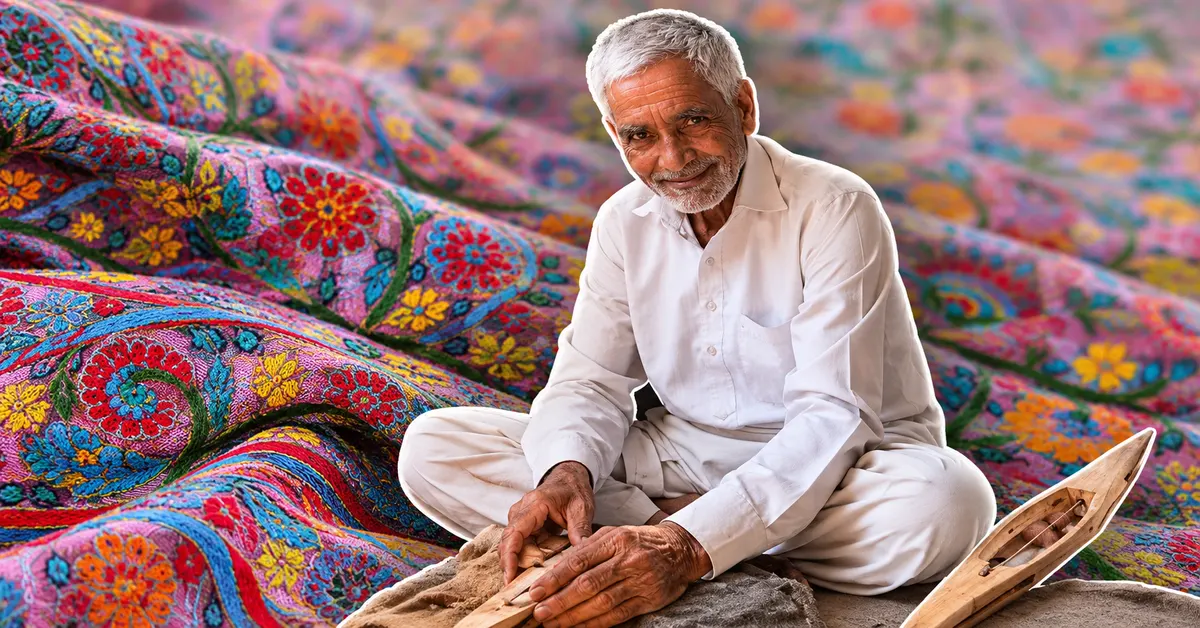
Hand-carved wooden Mukh shuttles for Pashmina weavers in Srinagar
One tiny carved shuttle sits at the heart of every handwoven Pashmina shawl, and almost nobody still makes it.
More from this day

Gourmet dessert popsicles made at home and sold in Recife
She started with 15 popsicles and a blender; nine years later the business turns over R$ 1.4 million a year.
 Australia
Pen-and-ink house portraits sold as framed gifts to homeowners
People will pay to hang a drawing of the home they love, and you only need a pen and a photo.
 United States
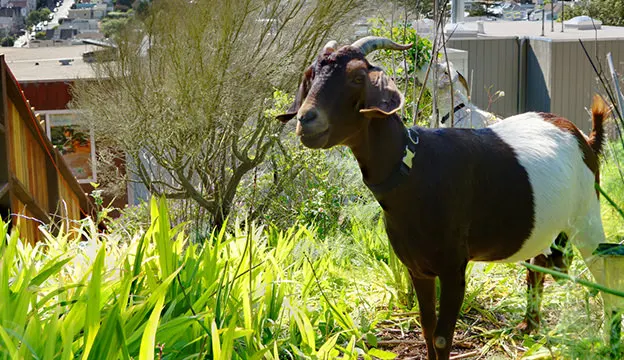
Weekly goat rental for brush and weed clearing in the US
Goats that clear brush and vines for paying landowners, with no herbicide and no heavy machinery.

Food photo and video shoots for restaurants in Santa Catarina
A phone, a small light kit and a sharp eye can turn a restaurant's menu into scroll-stopping content.