
Hot Brazilian broth stall for evening crowds in Rio de Janeiro
She started with about R$300 and a borrowed stall; broth now pays her far more than manicures did.
- Startup cost
- $60–600
- Low budget · under $1k
- Difficulty
- Easy
- Revenue potential
- Full-time living
- Time to launch
- Days
- Seen in
- Brazil
Costs and revenue are rough estimates based on the source and may differ by country.
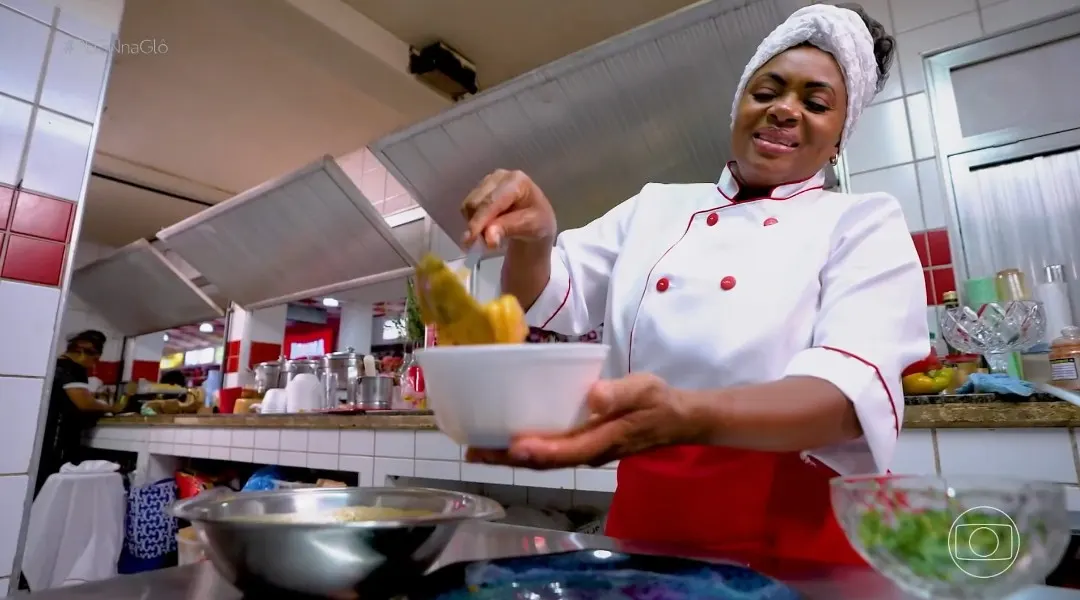
Bárbara dos Santos, known as Nêga, began selling caldos on a Rio pavement with R$300. Today Caldo da Nêga also caters events and serves a samba school.
The idea
Caldos are thick, hot Brazilian broths sold in cups: cheap to make in big pots, filling, and easy to serve fast. Bárbara dos Santos, known as Nêga, was a manicurist in Rio de Janeiro. She borrowed an iron stall from a friend and set up on a pavement beside a disused petrol station, with no lighting and little money. In her words, she had "only courage and necessity".
Customers then asked her to cook for birthdays and other parties, and referrals did the rest. Her business, Caldo da Nêga, now caters social and corporate events and runs a food space at the quadra of the Acadêmicos do Salgueiro samba school. The source says it earns about R$40,000 a month. That is the grown version; this profile covers the one-person stall at the start.
Who it fits
Anyone who can cook in volume and stand outdoors for an evening. It works beside a job if you sell only at nights or weekends. You need a pot, a gas burner or similar, a table and a safe spot with foot traffic. The same model suits any place with cool evenings, nightlife, rehearsals, markets or after-work crowds.
Costs and revenue
Nêga began with about R$300 (roughly $55). Expect roughly $60–600 for pots, burner, cups, spoons, a borrowed or cheap table and the first ingredients. These are editorial estimates.
Price each cup from real ingredient, gas and packaging costs; Nêga says she did not know how to price at first and took courses once she saw losses. A small stall might typically bring in $600–2,000 a month, depending on location and days worked. Catering adds income: she asks clients to pay 50% upfront, which funds the ingredients for each event.
Risks and pitfalls
- Pricing mistakes: calculate cost per cup and track stock weekly.
- Permits and hygiene: check local street-vending rules, keep food hot and covered, and use clean handling.
- Weather and location: test several spots and keep a menu for cold or rainy days.
- Cash flow on events: take a deposit before buying ingredients.
- Overload: hire occasional freelance help only when orders justify it, as she does.
How to start
6 stepsTest two or three broth recipes on friends and neighbours and note their cost per cup.
Borrow or buy a large pot, gas burner, table, cups and spoons; keep the first batch small.
Check local rules for street selling and food handling, then pick a spot with evening foot traffic.
Sell for a few weeks, ask customers what they want, and hand out contact details for parties.
Set prices from your real costs and take a 50% deposit on every catering order.
Add a catering menu once orders come in, and hire freelancers only for bigger events.
More in: Food & drink
 United States
Home-baked cupcakes sold at a local market and to TV sets
A social worker's market cupcakes grew into a repeat order from a TV show.
Gourmet brigadeiros in unusual flavours sold by the box
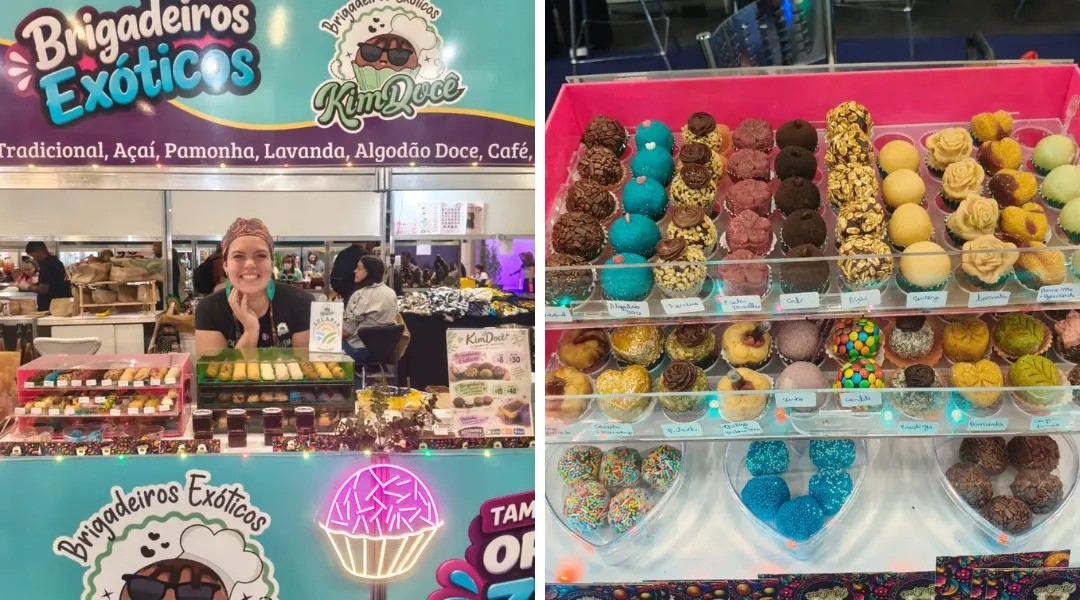
Lavender, caipirinha and beer brigadeiros turned a home kitchen into a brand.
More from this day

 Kenya
Hand-spun wool scarves and rugs sold online from Meru, Kenya
Raw wool costs pennies a kilo; woven into a rug it sells for hundreds of dollars.

 Saudi Arabia
Memory clinic: turning families' old photos and tapes into books
Old photos fade and cassettes decay, so families will pay to turn them into one book.

 India
Sattu health mixes and ready-to-drink packs from a Bihar home kitchen
Roasted gram flour, a Bihar village staple, is being repackaged as a modern protein drink people buy online.
 Indonesia
Hatch-window rice stall for mall and office workers in Jakarta
A hole in a mall wall, a counter and a few stools: cheap home-style rice meals for hungry staff.