
Hatch-window rice stall for mall and office workers in Jakarta
A hole in a mall wall, a counter and a few stools: cheap home-style rice meals for hungry staff.
- Startup cost
- $400–1k
- Low budget · under $1k
- Difficulty
- Medium
- Revenue potential
- Full-time living
- Time to launch
- Weeks
- Seen in
- Indonesia
Costs and revenue are rough estimates based on the source and may differ by country.
Sell breakfast and lunch rice plates through a wall opening beside a Jakarta mall, with a counter and a few stools, priced for the workers who pass every day.
The idea
In Kemang, South Jakarta, a warung nasi sells food through a hole in the wall of a mall. Its regular customers are the people who work in the mall, and they buy affordable meals from breakfast through to lunch. The source gives no prices or earnings, so every money figure below is our own estimate.
The model is simple. You cook home-style dishes such as rice with a vegetable dish, egg, fried chicken or tempeh, and serve them quickly through the opening. A counter and a few stools outside let people eat on the spot or take a bag away. The unusual part is the location: a small, almost hidden spot next to a building full of people with short breaks and tight budgets, who would otherwise pay food-court prices.
Who it fits
This suits one person or a couple who can cook and are happy to start early. Prep happens at home or in a rented kitchen, and trading is concentrated from morning to early afternoon, so the afternoon is free for shopping and cleaning. A second job is hard to combine with it at the start, but it is possible once the routine is stable.
The same idea works near any large workplace with a blank wall, a service entrance or a side passage: office towers, hospitals, universities, industrial estates and markets in cities from Manila to Lagos to Istanbul.
Costs and revenue
Expect to spend roughly $400–1,000 to start: a gas burner, large rice cooker, pots, food containers, a small counter or folding table, stools, packaging, the first ingredients and a deposit for the spot.
Price a plate at what a staff member can pay every day, typically a few dollars in a market like Jakarta. If ingredients take around half the price and you sell 60–100 plates on a good day, a realistic take-home figure is roughly $500–1,400 a month. These are estimates, not results reported by the stall.
Risks and pitfalls
- No permission to use the wall. Get a written agreement with the landlord or mall management on rent, hours and what you may put outside.
- Hygiene. Keep food covered, cook in small batches and have clean water and hand-washing on hand; one case of food poisoning ends a reputation.
- Thin margins. Rice, oil and chicken prices move. Keep a short fixed menu and review costs weekly.
- Waste. Unsold cooked food is lost money. Track sales by dish and cook less of what stays behind.
- One-location dependence. If the mall changes hours or closes, income stops. Build a regular base of office pre-orders to soften this.
How to start
6 stepsVisit candidate malls and offices at breakfast and lunch; count passing staff and note what cheap food is already nearby.
Test a short menu of three or four home-style dishes on friends and colleagues and fix a plate price with about half going to ingredients.
Ask the landlord or building manager for a written agreement on the wall opening, rent, opening hours and use of the space outside.
Buy a burner, rice cooker, containers, a counter and stools, and check local rules on food handling and any small-business registration.
Open for breakfast and lunch, offer a regular-customer deal, and take pre-orders from nearby offices through a messaging group.
After a few weeks, drop dishes that waste food and add the one or two that sell out first.
More in: Food & drink
 United States
Home-baked cupcakes sold at a local market and to TV sets
A social worker's market cupcakes grew into a repeat order from a TV show.

 Brazil
Gourmet brigadeiros in unusual flavours sold by the box
Lavender, caipirinha and beer brigadeiros turned a home kitchen into a brand.
More from this day
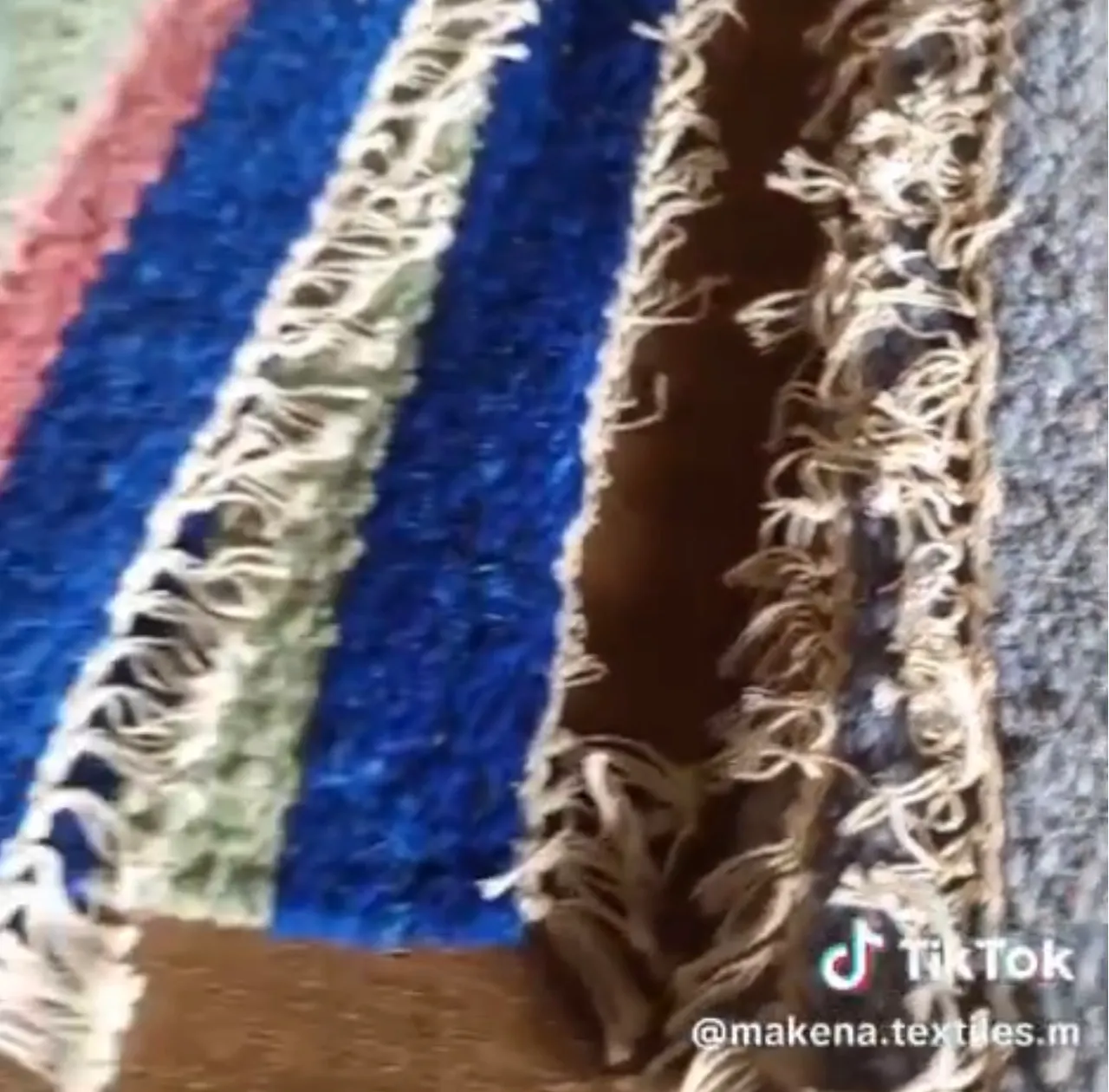
 Kenya
Hand-spun wool scarves and rugs sold online from Meru, Kenya
Raw wool costs pennies a kilo; woven into a rug it sells for hundreds of dollars.
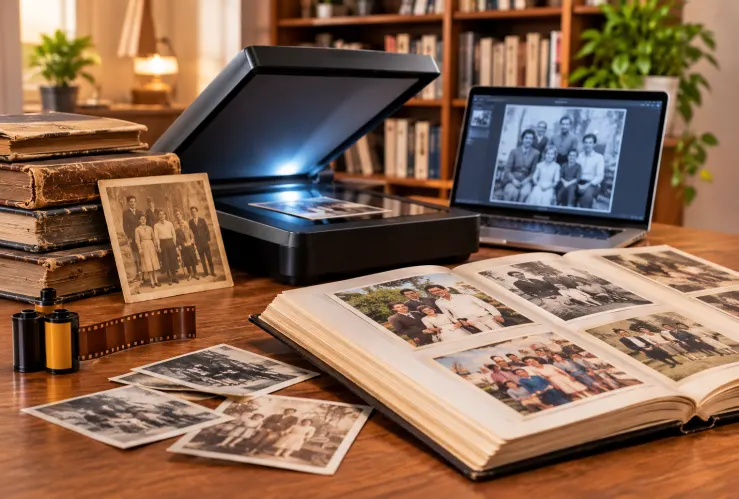
 Saudi Arabia
Memory clinic: turning families' old photos and tapes into books
Old photos fade and cassettes decay, so families will pay to turn them into one book.
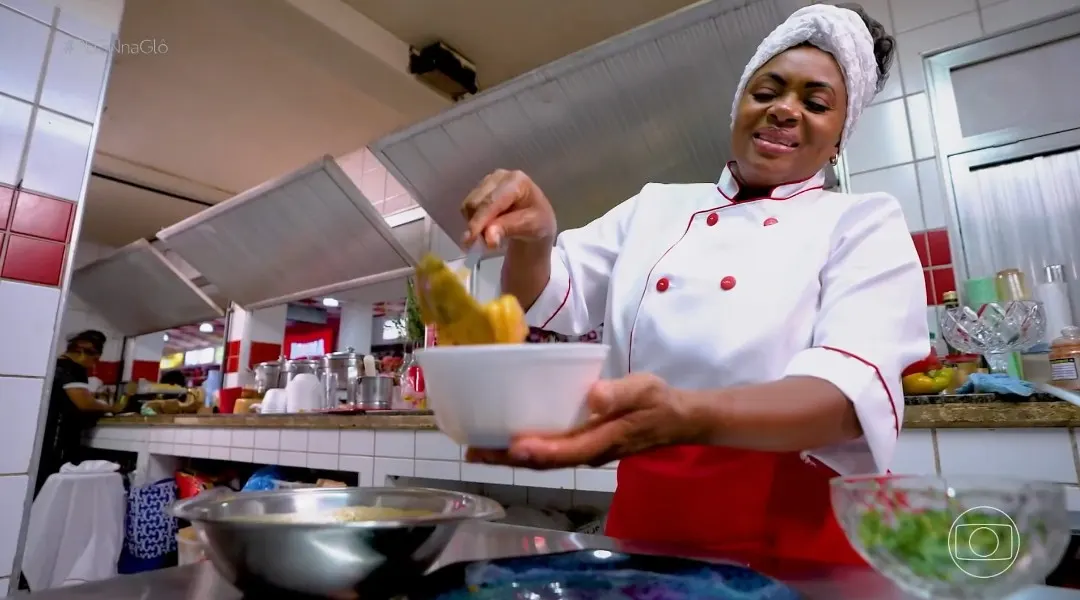
Hot Brazilian broth stall for evening crowds in Rio de Janeiro
She started with about R$300 and a borrowed stall; broth now pays her far more than manicures did.

 India
Sattu health mixes and ready-to-drink packs from a Bihar home kitchen
Roasted gram flour, a Bihar village staple, is being repackaged as a modern protein drink people buy online.