
Hand-carved horn combs from a home workshop, Thuy Ung style
A 500-year-old village craft turns buffalo horn into combs that win gift buyers and export orders.

- Startup cost
- $300–900
- Low budget · under $1k
- Difficulty
- Medium
- Revenue potential
- Side income
- Time to launch
- Months
- Seen in
- Vietnam
Costs and revenue are rough estimates based on the source and may differ by country.
Carve buffalo or cow horn into smooth-toothed combs, hairpins and keychains at a home bench, using the method of Vietnam's Thuy Ung craft village.
The idea
In Thuy Ung, a craft village in Thuong Tin, Hanoi, families have turned buffalo and cow horn into combs for nearly 500 years. Master craftsman Nguyen Van Su, almost 60 years in the trade, says about 70% of village households still work in it. A good comb takes at least 15–17 steps: choosing and treating the horn, making the blank, cutting the teeth, then grinding and polishing. The teeth must be round and smooth so they never snag or break hair.
The one-person version is simple: carve combs by hand at a home bench and sell them as personal-care items, gifts and souvenirs. Village families also make hairpins, keychains, decorations, jewellery and massage tools, and they use hooves and tail hair too, so one small workshop can sell several products from one material. Thuy Ung combs reach China, Japan, France and Germany. Su notes that before machines a skilled worker made only 10–20 combs a day, which is a useful reality check for a hand-only start.
Who it fits
This suits patient people with steady hands who enjoy slow, detailed work. Su began at 8 or 9 with the smallest tasks, so plan to learn from a craftsperson or a course before selling. It works beside a job: evenings and weekends are enough for a few pieces a week. You need a bench, a vise, good light and a ventilated corner. Anywhere that horn is a by-product of the meat trade, such as India, Turkey, Spain or Argentina, a similar workshop could work.
Costs and revenue
These are editorial estimates. Expect roughly $300–900 for saws, files, rasps, sandpaper in several grits, a vise, a polishing wheel or cloths, a dust mask, a first stock of cleaned horn and simple packaging. The source gives no prices, so test your own: plain combs might sell around $5–15, and finer hairpins or decorative pieces more. At a few pieces a day, a realistic part-time income is roughly $150–600 a month. Su says paper-based payment caused mistakes at a crowded exhibition, so set up a QR code payment from the start.
Risks and pitfalls
- Raw material. Su recalls that finding horn was very hard in the past. Agree on steady supply with butchers or slaughterhouses and buy only cleaned, legally sourced horn.
- Dust and smell. Cutting and polishing horn is unpleasant. Wear a mask, extract dust and work outdoors or by an open window.
- Slow output. Hand work is limited, so price for the time and avoid competing with plastic combs.
- Reach. Su wants to reach younger buyers online. Show the carving process in short videos.
- Rules. Check local rules on animal products, especially before exporting.
How to start
6 stepsVisit a comb maker or take a short course, and carve a few practice combs from cheap horn before buying much.
Buy basic hand tools, a vise, dust mask and a first lot of cleaned horn from a butcher or supplier.
Check local rules on animal products and set up QR payments before your first fair or market.
Photograph and film the carving, then sell through a market stall, craft fairs and social media.
Price each piece by hours worked plus material and test prices on 20 early customers.
Add hairpins, keychains and massage tools from offcuts, then take wholesale orders from gift shops.
More in: Crafts & making
 United States
Wood-burned drumsticks and home decor from a home workshop
A hobby woodburning pen turns plain drumsticks into custom gifts that musicians happily pay extra for.
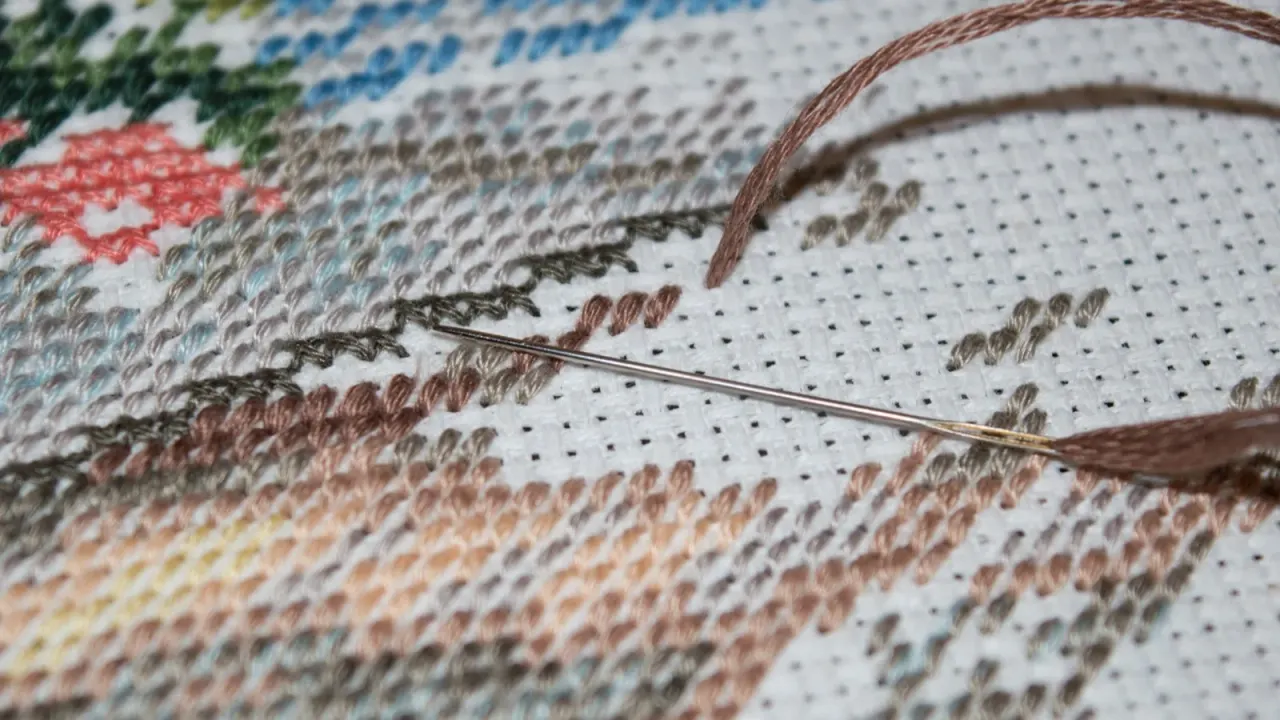
Mystery needlepoint canvas vending machine for boutiques in Virginia
Shoppers pay $18 for a token and get a surprise hand-painted canvas to stitch at home
 Thailand
Huggable pillow bags sewn at home and sold by pre-order in Bangkok
A 15-year-old turned a sleepy train commute into a bag brand whose pre-orders keep selling out.
 Kenya
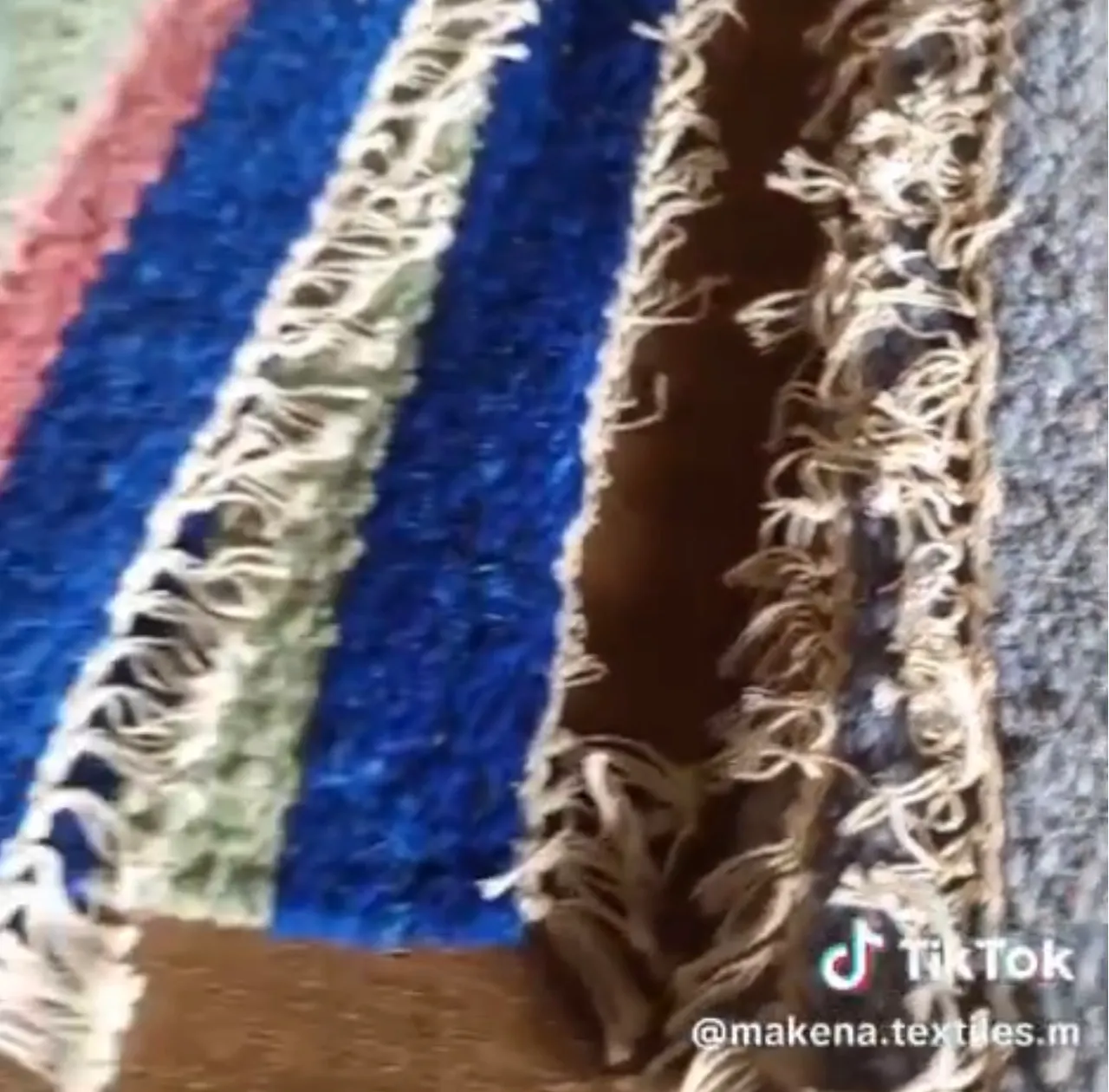
Hand-spun wool scarves and rugs sold online from Meru, Kenya
Raw wool costs pennies a kilo; woven into a rug it sells for hundreds of dollars.
More from this day
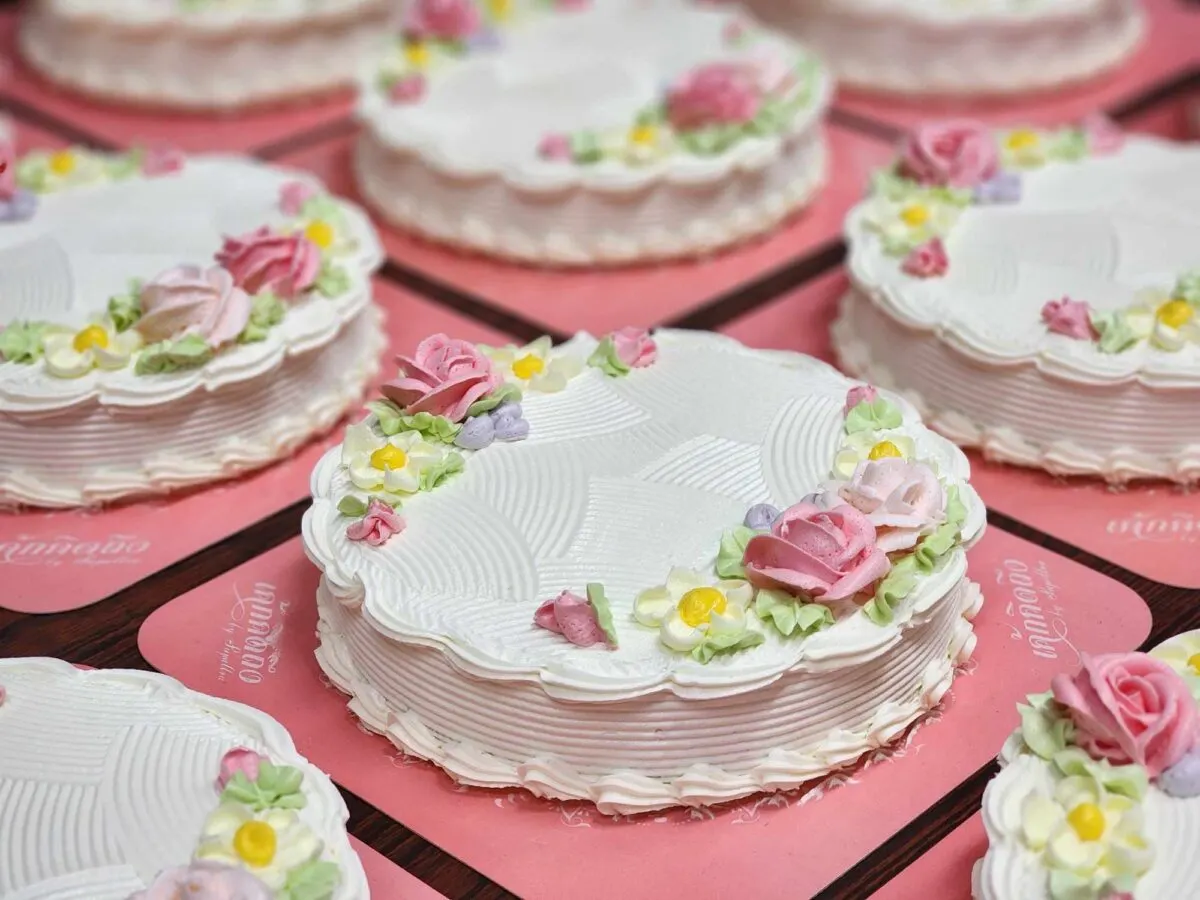
Seasonal pre-order cake baked once a year from a home kitchen
One cake, one season a year: scarcity turns a home recipe into something people wait for.

 Brazil
Novelty Halloween treats sold by pre-order from a home kitchen in Brazil
Cockroach dates, rat-shaped snacks and brain cakes: gross-looking food that goes viral and sells.