
Personalised Santa letters mailed to children for parents in the US
Parents pay a few dollars so a child finds a personal letter from the North Pole in the mailbox.
- Startup cost
- $100–600
- Low budget · under $1k
- Difficulty
- Easy
- Revenue potential
- Side income
- Time to launch
- Days
- Seen in
- United States
Costs and revenue are rough estimates based on the source and may differ by country.
Write personalised letters from Santa using details parents give you, print and post them in December, and charge a small fee per letter from your kitchen table.
The idea
Every December, many parents want their child to receive a letter that seems to come from Santa. You sell exactly that. The parent fills in a short form with the child's name, age, pets, a good deed from the year and a wish. You write a warm letter that uses those details, print it on festive paper, seal it in an envelope and mail it so it lands in the child's own mailbox.
The money comes from volume, not from a high price: a small fee per letter, many letters. The idea appeared in a US roundup of creative side hustles, where mailing Santa letters is a familiar seasonal tradition. The source gives no detailed figures for it, so every number below is our own estimate.
Who it fits
Anyone who writes in a friendly voice and stays organised: parents, teachers, retirees, students. It works beside a job, because the work is evenings in November and December. You need a computer, a printer, a table and access to a postal service.
The model travels to any country with a Christmas tradition and dependable post, such as Canada, the UK, Germany, Australia or Latin America. Just use the local figure (Father Christmas, Weihnachtsmann, Papá Noel) and write in the local language.
Costs and revenue
Expect to start with roughly $100–$600: paper and envelopes, printer ink, stamps, a simple order form or one-page website, and a few sample letters. Materials plus postage typically come to around $2–$4 per letter.
A price of roughly $10–$25 per letter, with postage included, is a sensible starting range; siblings can be sold as a bundle. A realistic first season of 80–250 letters could leave about $500–$3,000 in profit, almost all of it earned in about six weeks. These are estimates, not promises.
Risks and pitfalls
- Postal deadlines. Late letters ruin Christmas. Set an order cut-off well before the last safe posting date and say it clearly.
- Seasonality. Income is squeezed into two months. Add birthday, tooth-fairy or Easter letters to spread it out.
- Children's data. You hold names and addresses. Collect only what you need, keep it private and delete it after the season.
- Copy-paste feel. Parents notice generic text. Build a template, but always weave in real details from the form.
- Rising postage and ink costs. Include them in the price and check your cost per letter every year.
How to start
6 stepsWrite three sample Santa letters and show them to parents you know to see whether they would pay.
Buy paper, envelopes, stamps and a reliable printer, then calculate your exact cost per letter including postage.
Build a simple order form for name, age, details and address, with an order deadline before the postal cut-off.
Find first customers through local parent groups, school newsletters and neighbours, offering a discount to early orders.
Price at roughly $10–$25 per letter and offer a sibling bundle to raise the average order.
After Christmas, add birthday and tooth-fairy letters and open pre-orders early next autumn.
More in: Services

 Kenya
Neighbourhood TV viewing room for football fans in Kenya
Your spare room, one pay-TV subscription and a few benches can turn match nights into a small income.
One-person junk removal with a pickup or trailer in the US
A $250 half-load can leave you with nothing once the dump fee and drive time are counted.
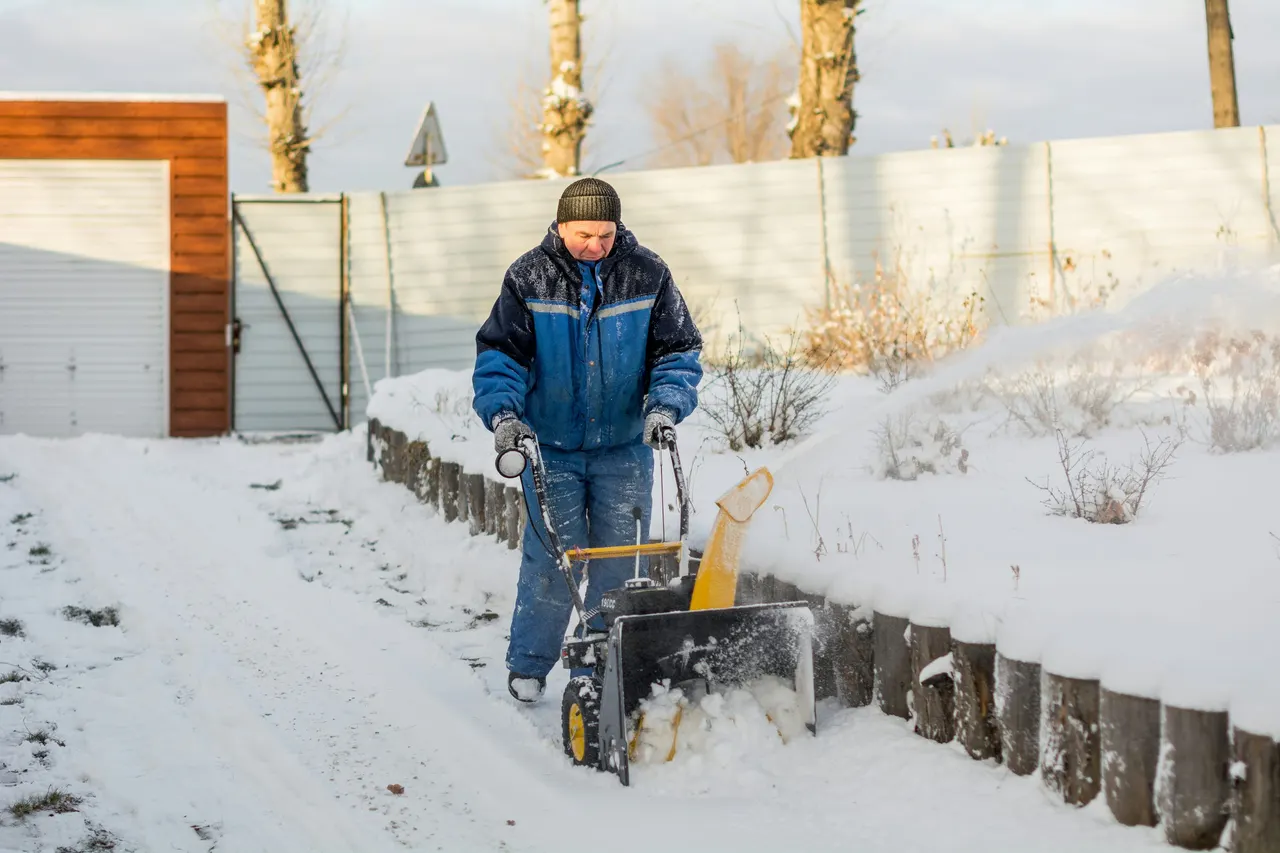
Per-visit driveway snow clearing for homeowners in the US
A shovel, a snowblower and a clear quote can turn every snowfall into paid work.
More from this day
Custom scavenger hunts for team events and parties in your town
Turn a childhood love of treasure hunts into a paid game that companies and party hosts book by the event.
 India
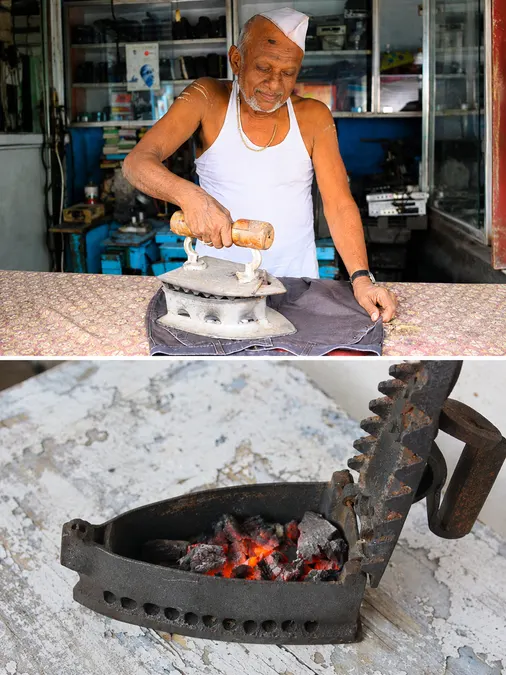
Solar-powered street ironing cart for neighbourhoods in India
A press wallah's cart that irons shirts with sunshine instead of burning charcoal all day.
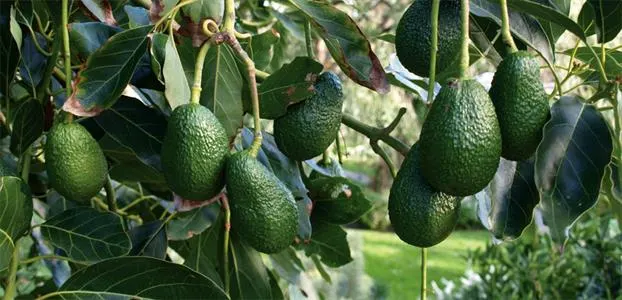
Backyard nursery grafting fruit-tree seedlings for local farmers
A seed can take 15 years to fruit; a grafted seedling sold from your yard can fruit far sooner.