
Tiger-stripe peanut gift bags from Mae Hong Son, sold on TikTok
A mountain-town souvenir stopped depending on tourist seasons by moving its roasting stove onto short videos.
- Startup cost
- $400–900
- Low budget · under $1k
- Difficulty
- Medium
- Revenue potential
- Full-time living
- Time to launch
- Weeks
- Seen in
- Thailand
Costs and revenue are rough estimates based on the source and may differ by country.
Roast large-seed Mae Hong Son peanuts, pack them in small gift bags and sell nationwide through TikTok Shop with creator affiliates instead of waiting for tourists.
The idea
In Mae Hong Son, northern Thailand, "tiger-stripe" peanuts (thua lai suea) are a well-known local crop: large seeds with dark brown, patterned skins, sold in bags as the province's classic gift. For decades most sellers depended on visitors, so sales rose and fell with the tourist season.
Phu Tawan, run by Yui (Walaiporn Soisingh), followed that pattern until 2024, when she put the family's wood-fired roasting business onto TikTok Shop. According to the business, monthly sales went from tens of thousands of baht to hundreds of thousands, growth of nearly 1,200%, and orders now arrive daily rather than only around festivals. The model also uses a large network of creators who promote the product, reportedly more than 1,700.
The smallest version: roast in small batches, pack in gift-sized bags, and sell through short videos and creator affiliates.
Who it fits
- Someone with access to peanuts from Mae Hong Son growers, or from a similar distinctive local crop where you live.
- A family with a roasting space and basic skills; videos can be shot on a phone.
- It works beside a job: roast on weekends, pack and ship in the evening.
The same logic fits other regional foods: dates, pistachios, hazelnuts, honey or dried fruit with a strong place identity.
Costs and revenue
These are editorial estimates, not figures from the business. Expect roughly $400–900 to start: a small roaster or an existing stove, packaging bags with labels, a scale and sealer, a tripod and light, and a first stock of raw peanuts.
Price by bag, for example a few dollars each, with bundles for gifting. After platform fees, commissions to creators and shipping, margins are typically thin but workable. A realistic range for one person is around $300–1,500 a month at first, rising if videos and affiliates work.
Risks and pitfalls
- Platform dependence: fees and rules change. Keep a second channel such as a messaging-app shop.
- Freshness: roasted nuts go stale. Roast to order in small batches and use sealed bags.
- Food rules: check local labelling and food-safety registration before selling.
- Creator commissions: price in the commission from the start so each sale still earns something.
- Shipping damage and delays: use sturdy mailers and test shipping to far regions.
How to start
6 stepsBuy sample peanuts from local growers and roast small test batches to find a taste and texture you can repeat.
Pick packaging: small gift bags with a clear label, origin story and roast date, plus a sealer and a scale.
Check local food-safety and labelling rules, then open a seller account on TikTok Shop.
Film short videos of roasting and cracking shells, and offer free samples to small creators for affiliate sales.
Set bag prices with room for platform fees, creator commission and postage; add bundles for gifts.
Track which videos sell, reorder raw stock in steps and add flavours or sizes once orders arrive daily.
More in: Food & drink
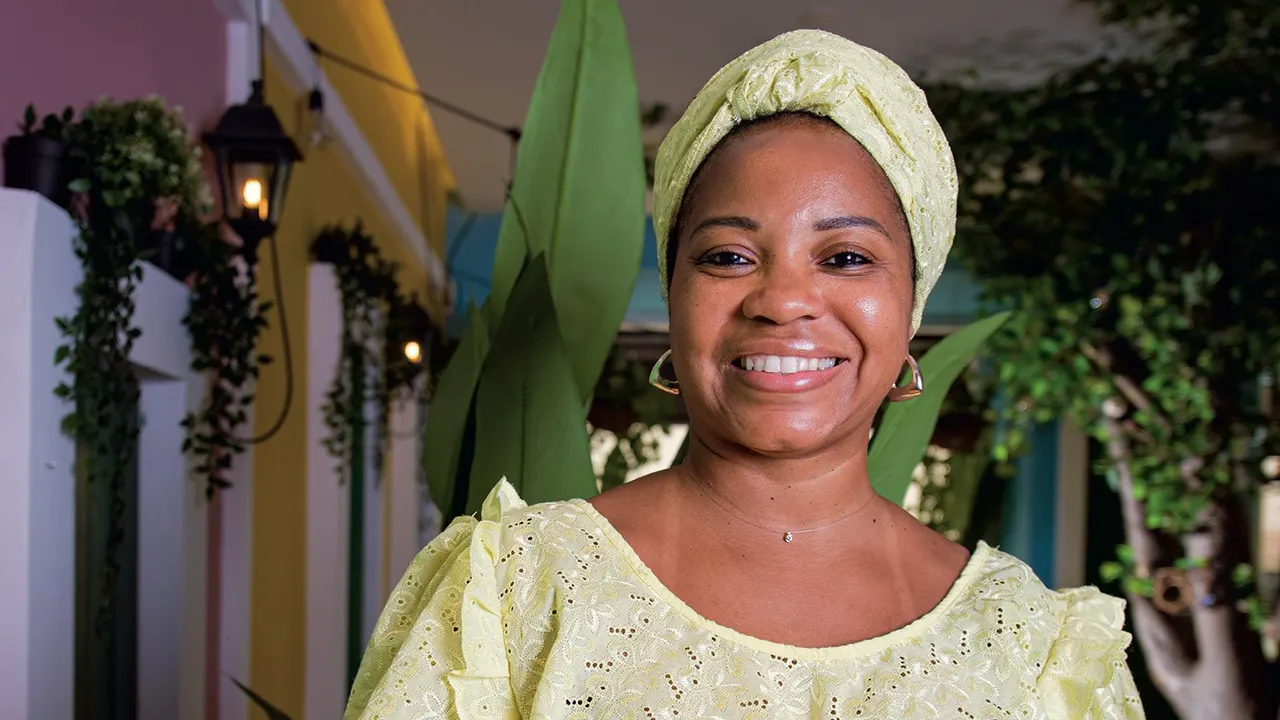
 Brazil
Acarajé street tray for evening crowds in Salvador, Bahia
A fried black-eyed pea fritter, a tray and a fixed corner: a heritage food trade you can run alone.
Ice cream cart outside school gates, the Thai family model
A Thai couple who could not read started with a pushcart and built a 400-branch ice cream brand.

Home-kitchen salgados business with delivery combos in Brazil
A couple restarted after a failed snack bar with R$500 and a garage, and built a multi-million brand.
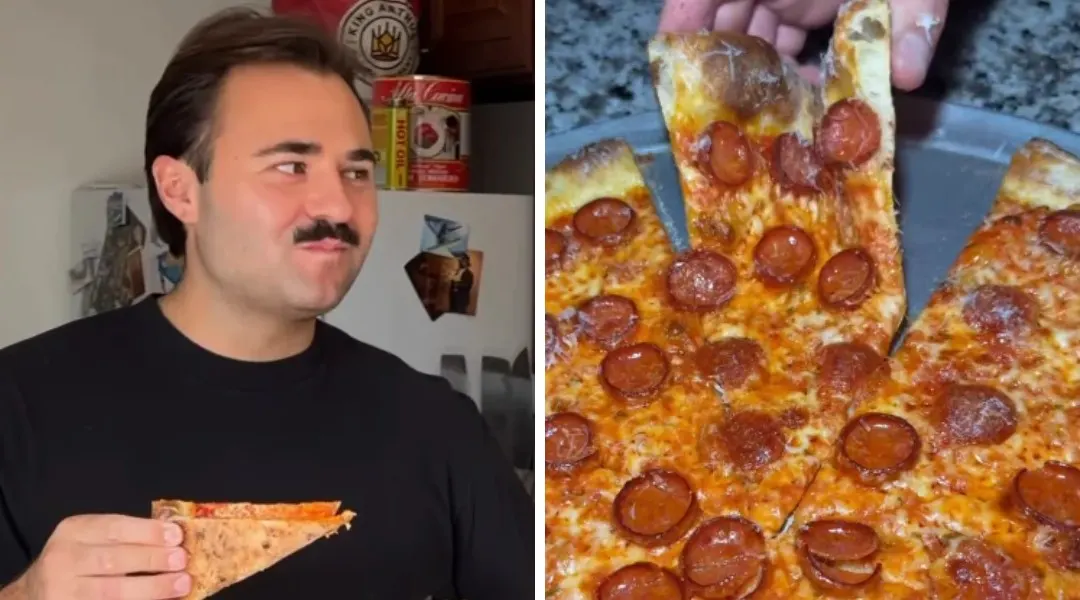
 United States
Small-batch apartment pizza sold weekly to a local waitlist
A laid-off marketer bakes just 15 pizzas a week at home, and thousands queue to get one.
More from this day
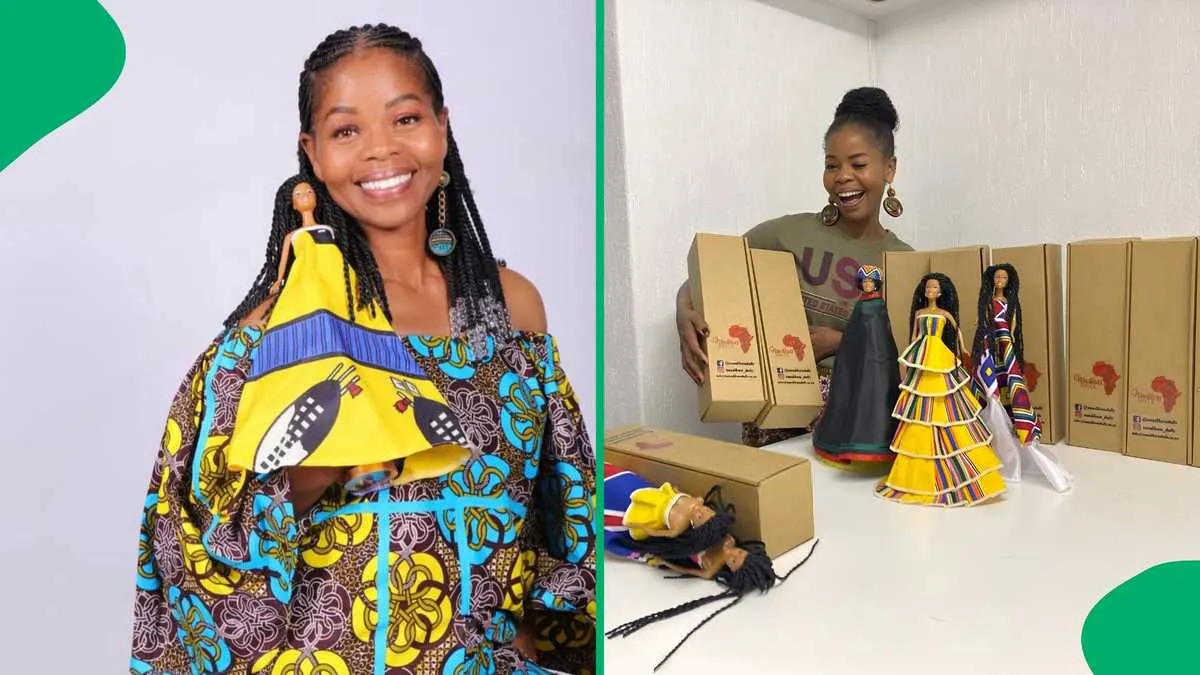
 South Africa
Dolls in traditional attire sewn at home for South African families
A mother who could not find a doll that looked like her daughter built a brand around it.
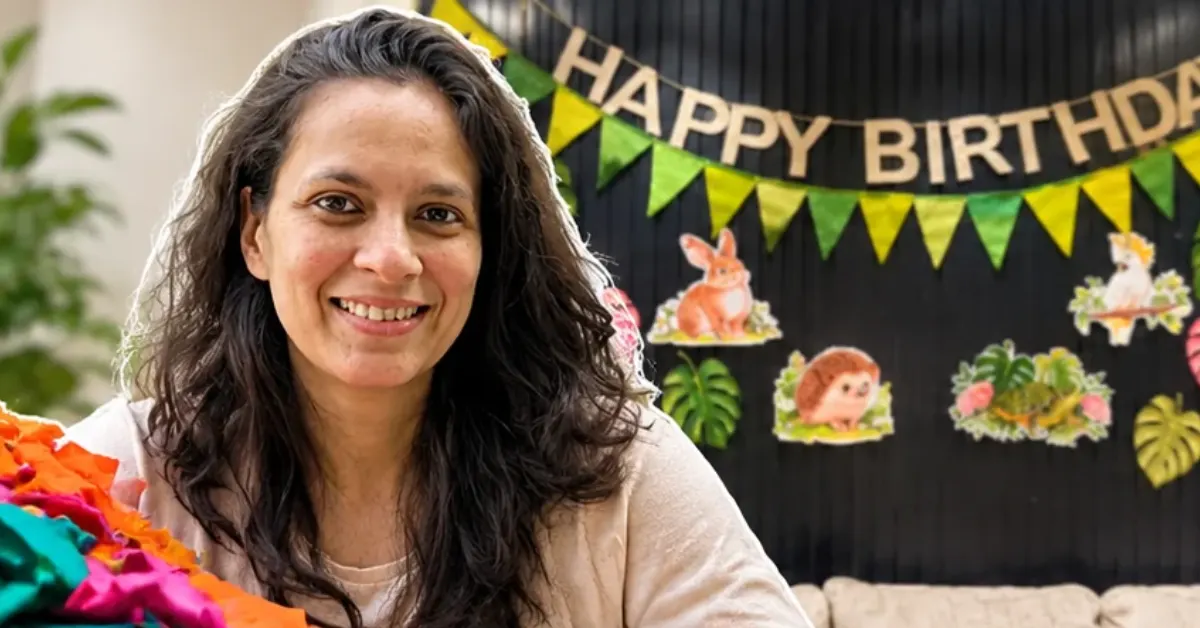
 India
Rentable birthday decor sewn from waste fabric in Bengaluru
Parents rent fabric bunting instead of buying balloons that end up in the bin after one party.
Personalised Santa letters mailed to children for parents in the US
Parents pay a few dollars so a child finds a personal letter from the North Pole in the mailbox.
Custom scavenger hunts for team events and parties in your town
Turn a childhood love of treasure hunts into a paid game that companies and party hosts book by the event.