
Acarajé street tray for evening crowds in Salvador, Bahia
A fried black-eyed pea fritter, a tray and a fixed corner: a heritage food trade you can run alone.
- Startup cost
- $400–1.5k
- Low budget · under $1k
- Difficulty
- Medium
- Revenue potential
- Full-time living
- Time to launch
- Weeks
- Seen in
- Brazil
Costs and revenue are rough estimates based on the source and may differ by country.
Sell acarajé, the dendê-fried bean fritter of Bahia, from a hand-carried tabuleiro on a fixed corner or at evening crowds. One person, small kit, loyal regulars.
The idea
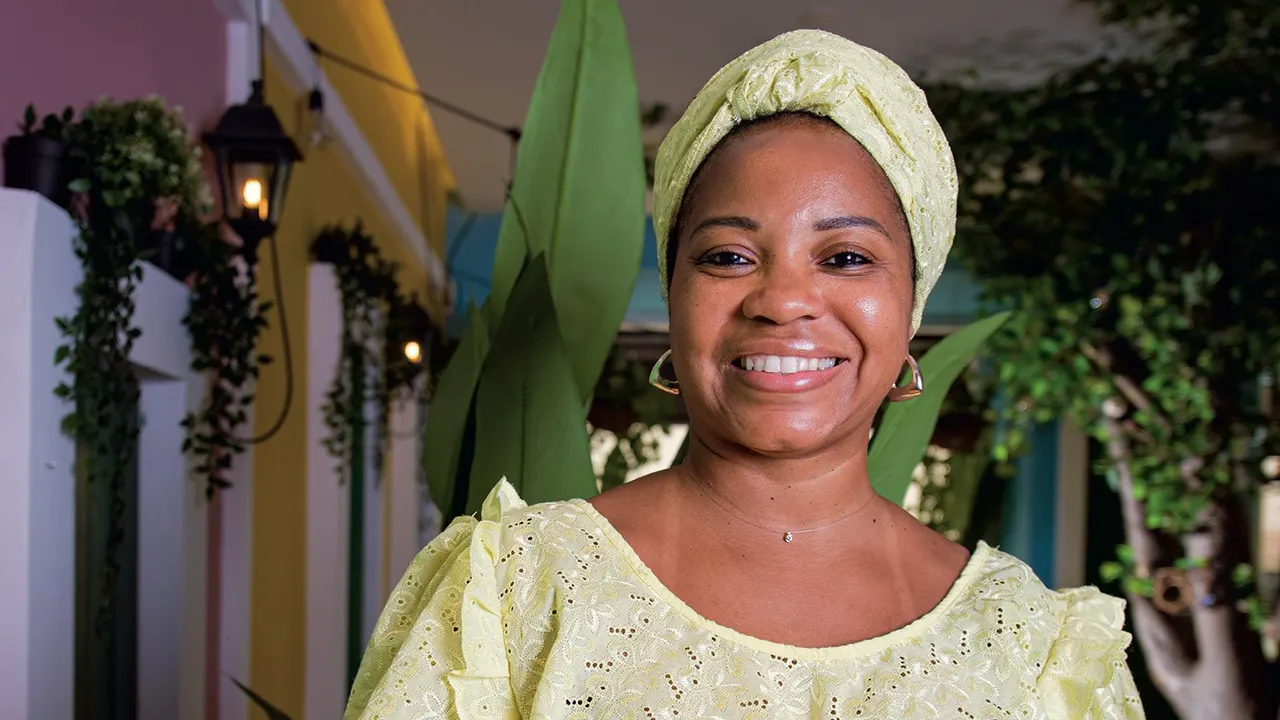
Acarajé is a fritter of mashed black-eyed peas (feijão-fradinho) fried in dendê (palm oil) and split open to be filled with sauces and extras. In Salvador, Bahia, it is sold by the baianas de acarajé, women in white lace blouses, wide skirts, turbans and bead necklaces, who work from a tabuleiro, a street tray or stand. The craft is recognised by Brazil's heritage institute Iphan as Cultural Heritage of Brazil, and it grew from the ganhadeiras, enslaved and freed women who traded food in the streets in colonial times. Rita Santos, president of the baianas' association Abam, estimates that more than 12,000 people work in the trade.
The smallest version: one tray, one fixed corner or an evening crowd, and a short menu. The source shows the pricing logic from other cities: Ana Rita Encarnação sells acarajé at R$ 30, abará at R$ 25 and bolinho de estudante at R$ 10; Cecília de Jesus Nascimento sells about 100 acarajés a day at R$ 25 in Rio.
Who it fits
It suits someone who can cook seriously and stand for hours at night. Technique matters: the owners insist the fritter must be "crispy outside, soft inside", and one of them peels her beans by hand. Learning beside an experienced baiana is the usual route. Many start in the family kitchen and work evenings or weekends beside a job. The trade also has a religious and cultural meaning, so approach it with respect. The same model works wherever there is an evening crowd and a community that misses Bahian food, as Carolina Alves de Brito showed in Lisbon.
Costs and revenue
Estimates, not source figures: a tray, a gas burner, a deep pot, a grinder, utensils, containers and first ingredients typically cost $400–1,500. The source mentions R$ 5,000 (roughly $900) for pots, an electric stove and fryer in a bigger setup. If you sell 60–100 fritters on a good night at roughly $4–6 each, with ingredient and oil costs of about a third, expect around $600–1,800 a month working four or five evenings. Margins rise if you add drinks and sweets.
Risks and pitfalls
- Permits: street selling needs authorisation, and Cecília faced inspections until a lawyer secured it. Apply to the city early.
- Oil and fire safety: hot dendê near crowds is dangerous. Use a stable burner, an extinguisher and a barrier.
- Quality drift: soggy or undersalted fritters lose regulars. Keep recipe and frying temperature fixed.
- Rain and low season: keep a delivery or event option for slow days.
- Ingredient prices: buy beans and oil in bulk from a trusted supplier.
How to start
6 stepsLearn the craft beside an experienced baiana and test your recipe on friends first.
Buy the tray, burner, deep pot, grinder and containers; find a reliable bean and dendê supplier.
Ask the city about street-vending authorisation and the baianas' association for guidance.
Pick a corner near evening foot traffic and serve a short menu to build regulars.
Price per fritter to cover ingredients, oil and gas with a clear margin; add sweets or drinks.
Add events, deliveries or a second tray once the first one sells out steadily.
More in: Food & drink
 Thailand
Ice cream cart outside school gates, the Thai family model
A Thai couple who could not read started with a pushcart and built a 400-branch ice cream brand.

Home-kitchen salgados business with delivery combos in Brazil
A couple restarted after a failed snack bar with R$500 and a garage, and built a multi-million brand.

 United States
Small-batch apartment pizza sold weekly to a local waitlist
A laid-off marketer bakes just 15 pizzas a week at home, and thousands queue to get one.
 Indonesia
Banana heart and chili snacks and sauces from a home kitchen in Papua
Farm waste and cheap fresh chilies become jars and packs that shops and gift stores will stock.
More from this day
 Myanmar (Burma)
Offbeat small-group un-tours of Myanmar led by one host
Friends kept asking him to lead trips, so he built tours around surprises instead of the usual sights.
Boxwood and herb kissing balls sold at Christmas markets
An old doorway charm made from garden clippings turns into a seasonal side income.