
Small-batch apartment pizza sold weekly to a local waitlist
A laid-off marketer bakes just 15 pizzas a week at home, and thousands queue to get one.
- Startup cost
- $300–1.5k
- Low budget · under $1k
- Difficulty
- Medium
- Revenue potential
- Side income
- Time to launch
- Weeks
- Seen in
- United States
Costs and revenue are rough estimates based on the source and may differ by country.
Bake a small weekly batch of pizzas in your home oven, sell them through a text-message waitlist at $25–30 each and let scarcity do the marketing.
The idea
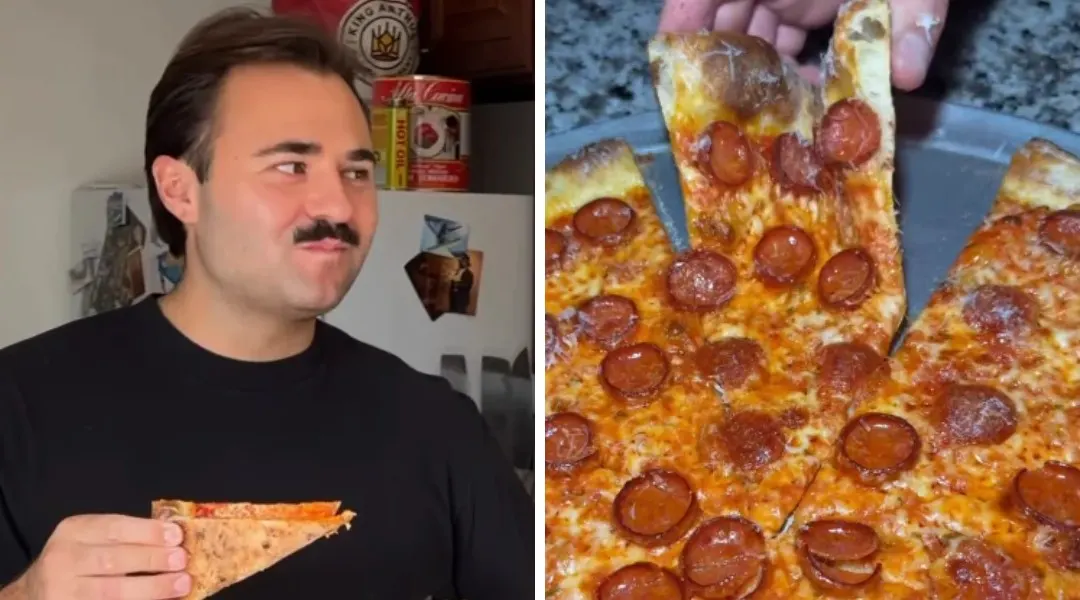
After losing his marketing job, AJ Miller turned a hobby into Echo Apizza, a pizza operation run from his own apartment in Ocean Beach, California. He bakes only about 15 pizzas a week and sells them for $25 to $30 each. They typically sell out in under 30 seconds, and more than 3,500 people are waiting for a chance to order.
The product is New Haven-style pizza, which he missed after moving from the US East Coast to San Diego in 2020. With a home oven set to its maximum of 288°C, he preheats a heavy steel plate and finishes each pizza under the broiler. He says it took a few years to perfect the technique. Along the way he shared his experiments on social media, collected around 123,000 Instagram followers and launched with a text-message list of about 75 customers. In his words, people like what they can't easily get, so exclusivity helps. He says the business is profitable but does not yet cover his full living costs.
Who it fits
This suits anyone with a home oven, the patience to perfect one signature recipe and enough confidence to show the process online. Because you bake only one or two days a week, it can run beside a job. The model travels well: any city missing a certain style of pizza, bread, bagel or pastry could support a small, scarce, loyal waitlist.
Costs and revenue
The figures below are editorial estimates, not numbers from the business. Expect to start with roughly $300–1,500: a baking steel, an oven thermometer, a scale, flour and toppings for test batches, boxes, and any permit or insurance your area requires.
At about 15 pizzas a week and $25–30 each, gross sales are typically around $375–450 a week, or roughly $1,500–1,800 a month. Ingredients might take 20–30% of that. Raising the batch to 25–30 pizzas would roughly double it, but the oven and your time are the limit. Treat it as extra income first, not a salary.
Risks and pitfalls
- Regulation: many places restrict selling food made at home. Check local cottage-food or home-kitchen rules and get any permit before your first sale.
- Platform dependence: a social media following can fade. Keep your own phone or email list.
- Capacity and neighbours: one oven caps your output, and smells, delivery traffic or lease rules can cause friction. Use scheduled pickup windows and read your lease.
- Food safety: label allergens, keep ingredients at safe temperatures and never skip hygiene basics.
- Hype fatigue: quality must stay consistent, so keep batches small until you can repeat the result every week.
How to start
6 stepsPerfect one pizza style at home and bake test batches for friends until results repeat.
Buy a baking steel, oven thermometer and scale; source flour and toppings from one reliable supplier.
Check local home-food rules, get the needed permit and consider liability insurance.
Share your process online and collect phone numbers for a text-message waitlist.
Announce one weekly drop of about 15 pizzas at $25–30, with fixed pickup windows.
Raise the batch slowly, then consider a shared commercial kitchen if demand stays high.
More in: Food & drink
 India
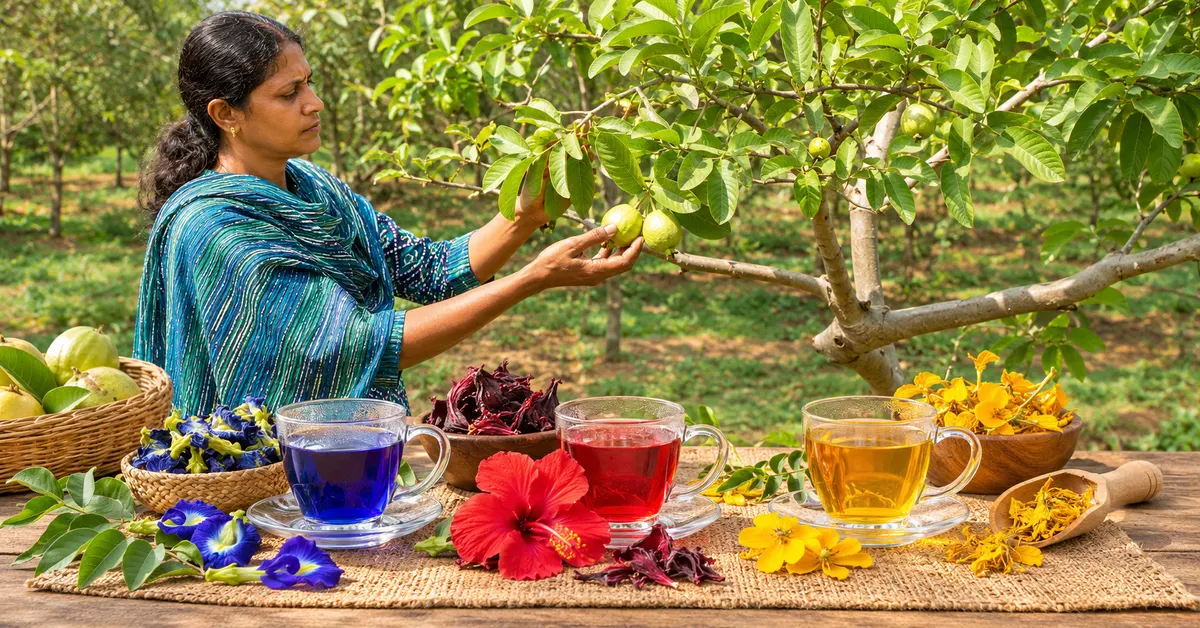
Amla candy and dried gooseberry products from a home kitchen
A glut of fruit that spoils in weeks can become a shelf-stable product line that customers reorder.
More from this day
 Thailand
Ice cream cart outside school gates, the Thai family model
A Thai couple who could not read started with a pushcart and built a 400-branch ice cream brand.

 Brazil
Home-kitchen salgados business with delivery combos in Brazil
A couple restarted after a failed snack bar with R$500 and a garage, and built a multi-million brand.
 Indonesia
Banana heart and chili snacks and sauces from a home kitchen in Papua
Farm waste and cheap fresh chilies become jars and packs that shops and gift stores will stock.

 China
Evening sidewalk stall selling food-shaped hair clips in Qingdao
Tiny sushi and dumplings on a hair clip: a PhD couple turned their after-work hours into a stall.