
Sun-dried lentil badi made from a family recipe in Bihar
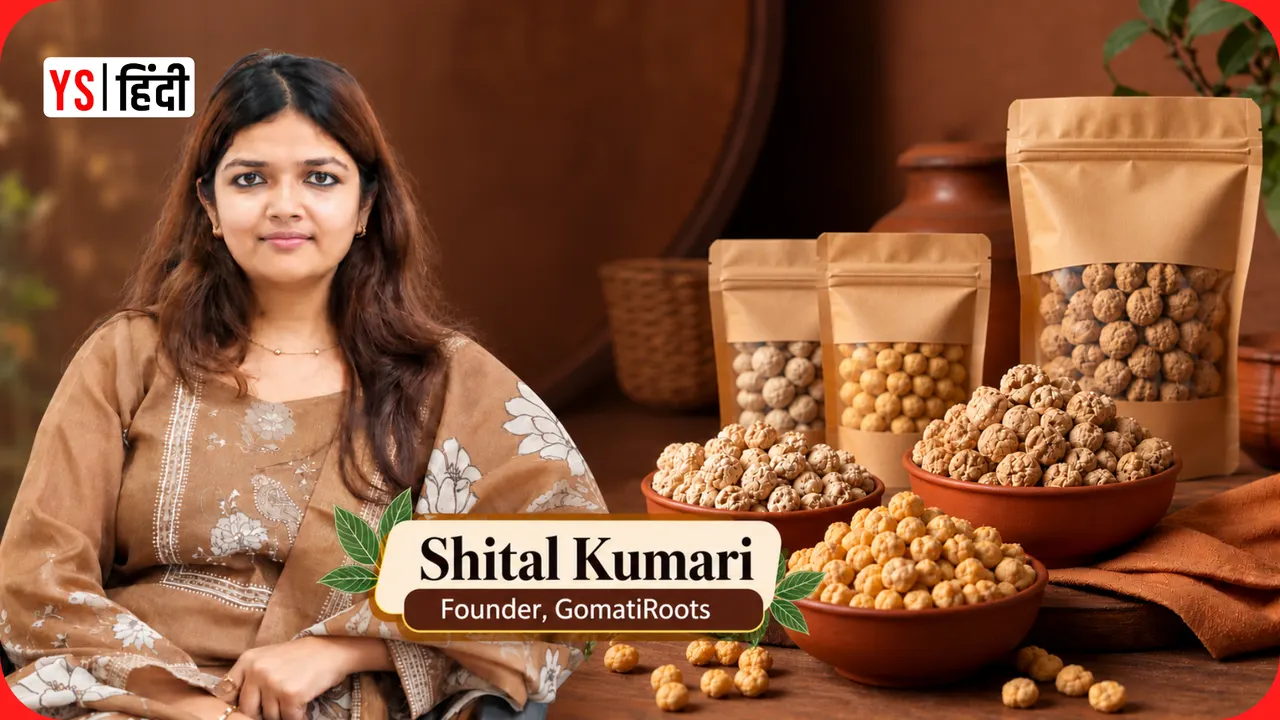
A mother's kitchen recipe for badi became a small brand, GomatiRoots, in Bihar.
- Startup cost
- $200–900
- Low budget · under $1k
- Difficulty
- Easy
- Revenue potential
- Side income
- Time to launch
- Weeks
- Seen in
- India
Costs and revenue are rough estimates based on the source and may differ by country.
Make sun-dried lentil nuggets (badi) at home from a family recipe and sell them to neighbours and online buyers who miss the taste of homemade food.
The idea
Badi are small sun-dried nuggets made from ground lentil batter, used in curries and rice dishes across North India. The idea is to make them in a home kitchen from a family recipe and sell them packed, to local and online customers.
In Bihar, Sheetal Kumari started GomatiRoots from the badi her mother made by hand. According to the business, she later received 1 lakh rupees (roughly $1,200) in funding through YourStory's Shuru Kar initiative. Beyond that, we have few details, so the numbers below are our own estimates.
Customers pay for the homemade taste, clean ingredients and the effort of a slow, traditional process that shop-bought badi often lacks.
Who it fits
Anyone who can cook, has a family recipe and a sunny terrace, balcony or courtyard. It works beside a job or childcare because batches are made in a few hours and dried over a couple of days. It suits home cooks, especially women, in towns where migrants miss home food. The same model works for any dried or fermented specialty: papad in India, dried pasta in Italy, or dried sausages elsewhere.
Costs and revenue
You need lentils, spices, trays or clean cloth, a grinder, airtight pouches, labels and a food licence. Expect roughly $200–900 to start, mostly for packaging, a good grinder and registration.
Price by weight, usually in 200–500 g packs, and add a margin over lentils, packing and your time. As an estimate, a part-time seller can expect around $100–400 a month once a regular customer base exists. Sales grow with festival gifting and repeat orders.
Risks and pitfalls
- Weather: monsoon rain spoils drying. Use a covered dryer or make batches in the dry season and stock up.
- Hygiene and licensing: register with food authorities (FSSAI in India) and keep surfaces and hands clean.
- Shelf life: damp badi grows mould. Dry fully and pack in airtight bags.
- Consistency: keep the recipe and size the same every batch so buyers return.
- Shipping: badi is brittle. Use firm packs and test parcels before selling far away.
How to start
6 stepsMake small test batches and let neighbours taste them to fix recipe, size and price.
Buy a grinder, drying trays, cloth and airtight pouches in small quantities.
Register with your local food authority and get a basic food licence.
Take clear photos and sell via WhatsApp, Instagram and local groups first.
Price by pack weight, covering ingredients, packing, shipping and your time.
Add flavours, festival gift boxes and online marketplace listings as orders grow.
More in: Food & drink

 Brazil
Gourmet dessert popsicles made at home and sold in Recife
She started with 15 popsicles and a blender; nine years later the business turns over R$ 1.4 million a year.

Asian-style coconut ice cream served in the shell from a beach cart
A fresh coconut as the bowl turns a simple scoop into a dessert people queue and post for.

Cloud cake slices from a home kitchen, sold by pickup in Brazil
A fluffy white powdered-milk cream turned plain sponge cake into a viral dessert.
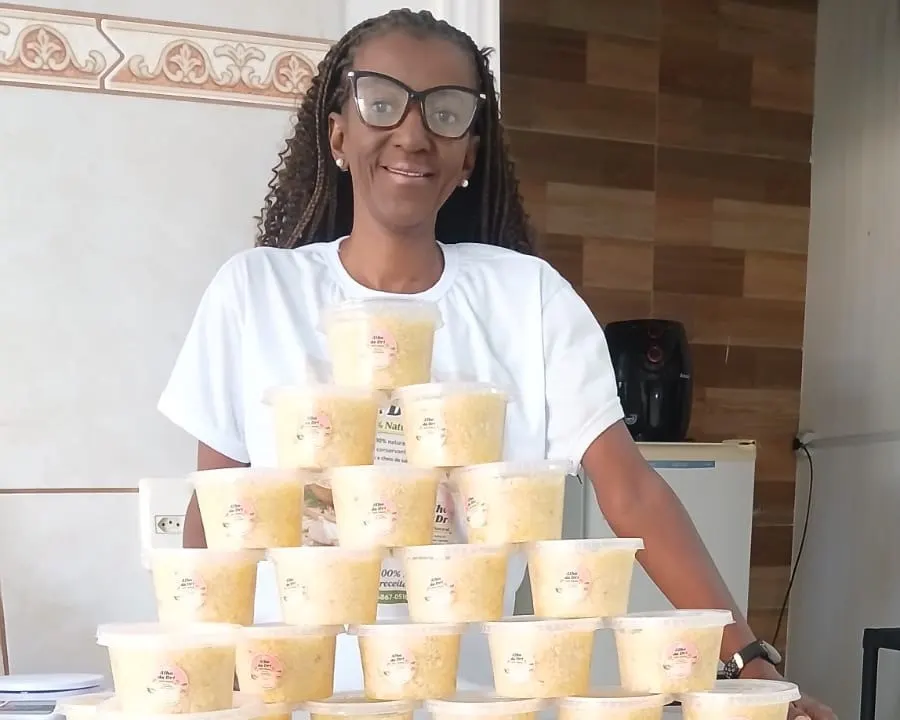
Chopped garlic by weight from a home kitchen in Nilópolis, Brazil
She swapped manicures for peeled, chopped garlic and now buys up to 90 kg of raw garlic a week.
More from this day
 Thailand
Thai traditional costume rental and styling for ID-card photos in Thailand
People in Thailand are swapping plain shirts for Thai dress in their ID photos, and someone has to dress them.
 United States
Hand-lettered wedding photo booth props from a home studio
Give wedding photo booths props worth holding, and offer couples a keepsake that replaces the usual greeting card.