
Solar-powered street ironing cart for neighbourhoods in India
A press wallah's cart that irons shirts with sunshine instead of burning charcoal all day.
- Startup cost
- $900–1.6k
- Mid budget · $1k–10k
- Difficulty
- Medium
- Revenue potential
- Full-time living
- Time to launch
- Weeks
- Seen in
- India
Costs and revenue are rough estimates based on the source and may differ by country.
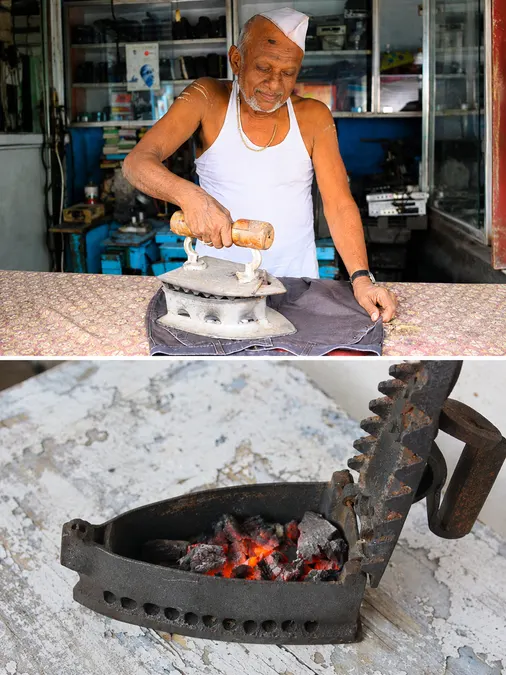
Push a small cart with a solar panel, battery and steam iron through your neighbourhood and press clothes for a fee, with no charcoal, smoke or fuel bills.
The idea
In India, press wallahs iron school uniforms and office shirts on the street, and many still heat a charcoal iron to do it. The smoke affects the vendor's lungs, and charcoal production adds to deforestation. At 12, Vinisha Umashankar from Tiruvannamalai, Tamil Nadu, saw a vendor throwing away burnt charcoal on her way home from school and began looking for a cleaner way. Her answer was a mobile ironing cart: solar panels charge a battery, and the battery runs a steam iron. According to the source, the cart can also offer phone charging as a second small income. The National Innovation Foundation built a prototype in 2019.
The one-person version is simple: a handcart or tricycle, a panel, a battery, an inverter and an electric iron. You press clothes at a fixed spot or on a daily round, and customers pay per piece.
Who it fits
It suits someone who already knows, or is willing to learn, how to handle cotton, silk and synthetics without scorching them. You need basic fitness for pushing a cart, a few hours a day and a little electrical confidence. It can run beside a job, for example mornings before office hours, when people want shirts ready. It would work in any sunny place with dense housing and few laundries: Africa, Latin America, the Middle East and South-East Asia.
Costs and revenue
These figures are editorial estimates, not from the source. Expect roughly $900–1,600 for a used cart, a 300–400 W panel, a deep-cycle or lithium battery, an inverter, an iron, a folding board and a canopy. A steam iron uses a lot of power, so battery size decides how many hours you can work.
Price per piece depends on your market. In India you might typically charge a few cents to about 30 cents per garment; elsewhere more. At 60–100 pieces a day, expect around $200–600 a month in an Indian-type market, plus a little from phone charging. Savings come from no charcoal purchases.
Risks and pitfalls
- Cloudy weather and short battery life: buy a battery sized for a full shift and charge it at home overnight as a backup.
- Theft and heavy equipment: use locks and a lockable box, and park at a trusted spot.
- Street permits: vendors may need a licence or local approval, so check with the municipality first.
- Fabric damage: test the temperature on hidden seams and agree compensation terms.
- Competition from cheap charcoal: sell the clean, no-smell, no-ash finish and consistent heat.
How to start
6 stepsWatch local press wallahs for a week: count pieces per hour, prices and busiest times.
Calculate your iron's wattage and size panel, battery and inverter for a full shift.
Source a used handcart or tricycle and build the rig with a local electrician.
Check street-vending rules and get any licence or ward approval required.
Offer the first week at a discount to nearby flats, offices and school families.
Add phone charging and a pickup-and-delivery option once your daily routine is steady.
More in: Green & circular
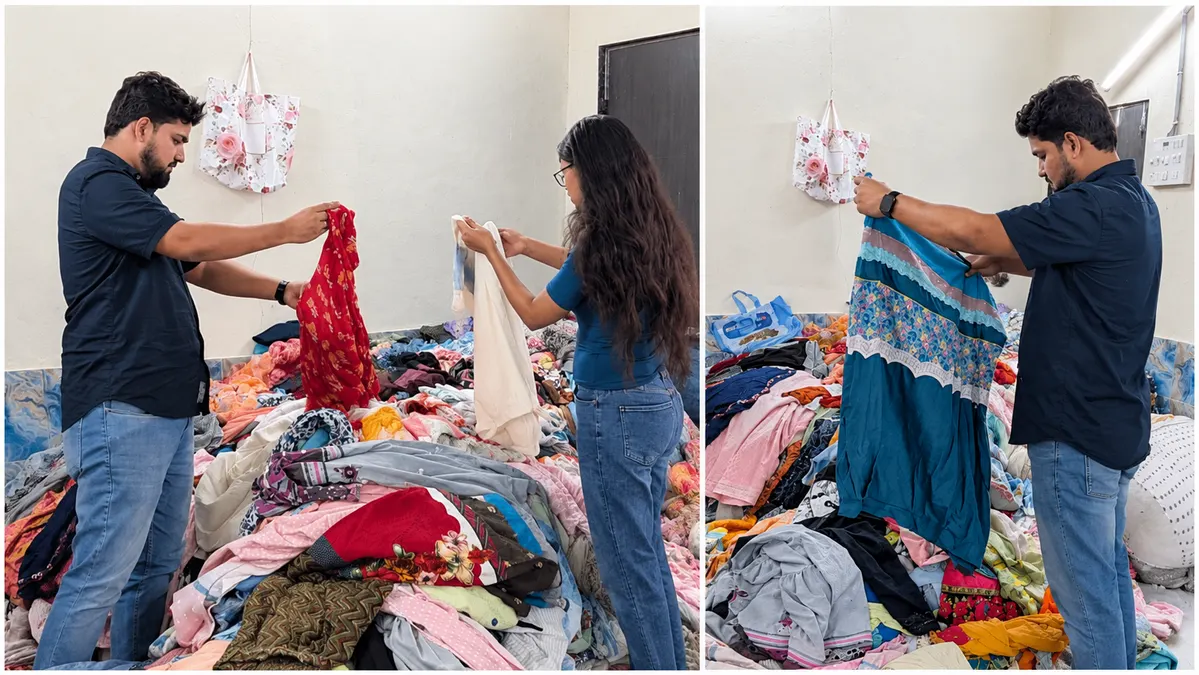
Door-to-door old clothes buying by weight in Mumbai
Households have piles of old clothes they want gone, and traders and artisans will pay for sorted bundles.
 Vietnam
Paid e-bike charging point in a home garage in Vietnam
Your garage or front yard can earn money while Vietnam's riders switch to electric.
 Brazil
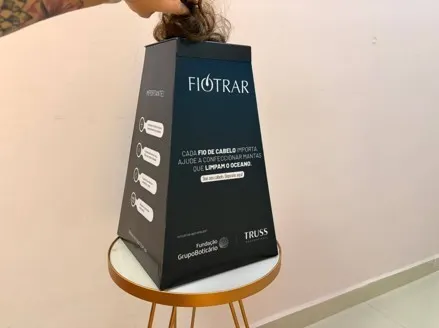
Collecting salon hair clippings for oil-absorbing mat makers
Barbershop floor sweepings are becoming raw material for ocean oil-spill barriers.
More from this day
 United States
Personalised Santa letters mailed to children for parents in the US
Parents pay a few dollars so a child finds a personal letter from the North Pole in the mailbox.
Custom scavenger hunts for team events and parties in your town
Turn a childhood love of treasure hunts into a paid game that companies and party hosts book by the event.
 Kenya
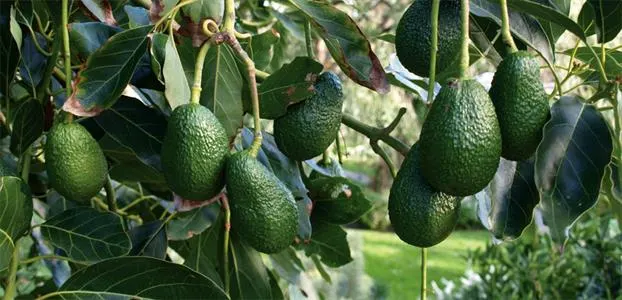
Backyard nursery grafting fruit-tree seedlings for local farmers
A seed can take 15 years to fruit; a grafted seedling sold from your yard can fruit far sooner.