
Backyard nursery grafting fruit-tree seedlings for local farmers
A seed can take 15 years to fruit; a grafted seedling sold from your yard can fruit far sooner.
- Startup cost
- $400–1.5k
- Low budget · under $1k
- Difficulty
- Medium
- Revenue potential
- Full-time living
- Time to launch
- Months
- Seen in
- Kenya
Costs and revenue are rough estimates based on the source and may differ by country.
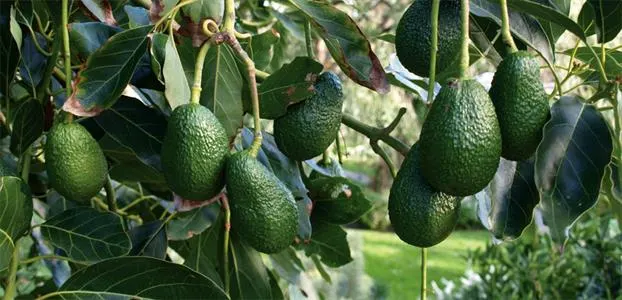
Graft avocado, mango or apple seedlings in a small backyard nursery and sell them to neighbouring farmers who want trees that fruit sooner and resist pests.
The idea
You buy or collect rootstock and scion material, join the two by grafting, grow the young trees on for a few months and sell them to farmers. The product is not just a plant but time and reliability. According to Patrick Njoroge, who runs the nursery Terra Madre Smile Ltd in Molo, Nakuru County, Kenya, a tree planted from seed can wait 15 to 20 years for its first fruit, while a grafted one fruits much faster. He grafts apples, mangoes, avocados, passion fruit and macadamia, and keeps Hass and Pinkerton avocados, Honeycrisp and Pink Lady apples and indigenous varieties, chosen by what each farmer wants to sell.
The skill is matching roots to fruit: a rootstock with a good root system, suited to the local climate, and compatible with the scion. He says grafted avocado seedlings carry adult leaves from the start, which helps against the Persea mite. He also stopped grafting tomatoes because taste and juice suffered.
Who it fits
This suits a person with a yard, some shade and a water source, patience and willingness to learn by trial and error. It can run beside a job, since grafting is done in batches. Training from an experienced grafter or an agricultural college is the best first investment. It would work in any fruit-growing region with smallholder orchards: East Africa, Latin America, South and Southeast Asia, the Mediterranean.
Costs and revenue
These are rough editorial estimates, not figures from the source. Expect around $400–1,500 for grafting knives, tape, planting bags, potting soil, a shade net, watering equipment and the first rootstock. Seedlings typically sell for a few dollars each depending on species, so a small nursery selling a few hundred a month might earn roughly $300–1,500 monthly after costs, growing with reputation and season.
Risks and pitfalls
- Failed grafts: poor alignment or water and air at the join ruins them. Practise, use sharp clean tools and wrap tightly.
- Incompatibility: only related species join; check compatibility before buying material.
- Weak rootstock: a bad root system gives short-lived trees and angry buyers. Source rootstock and scion from trusted, healthy mother plants.
- Pests and disease: keep the nursery clean and inspect leaves often.
- Rules and slow cash flow: many countries require nursery registration or certified material; ask your agriculture office, and pre-sell batches to fund the next.
How to start
6 stepsTrain with an experienced grafter and practise on cheap plants until most grafts take.
Ask local farmers which fruit and varieties they want to plant and sell.
Buy grafting tools, tape, planting bags and soil, and set up a shaded, watered corner.
Source healthy, compatible rootstock and scion from trusted mother trees.
Register your nursery if required and keep growing records for each batch.
Offer farmers a few seedlings at a fair price, take advance orders and grow the range.
More in: Agriculture
 India
Growing chrysanthemums on a small plot to sell weekly bunches
A Bengaluru farmer sells 1,500 bunches of chrysanthemums a week; the same crop can start in pots at home.
Roadside vegetable plot selling fresh greens in Nairobi
A bare strip of dust beside a busy road became one woman's daily income.
 Vietnam
Free-range native black chickens raised on a family plot in Lào Cai
A hillside garden, a warm brooder and a local breed that tourists want to taste.
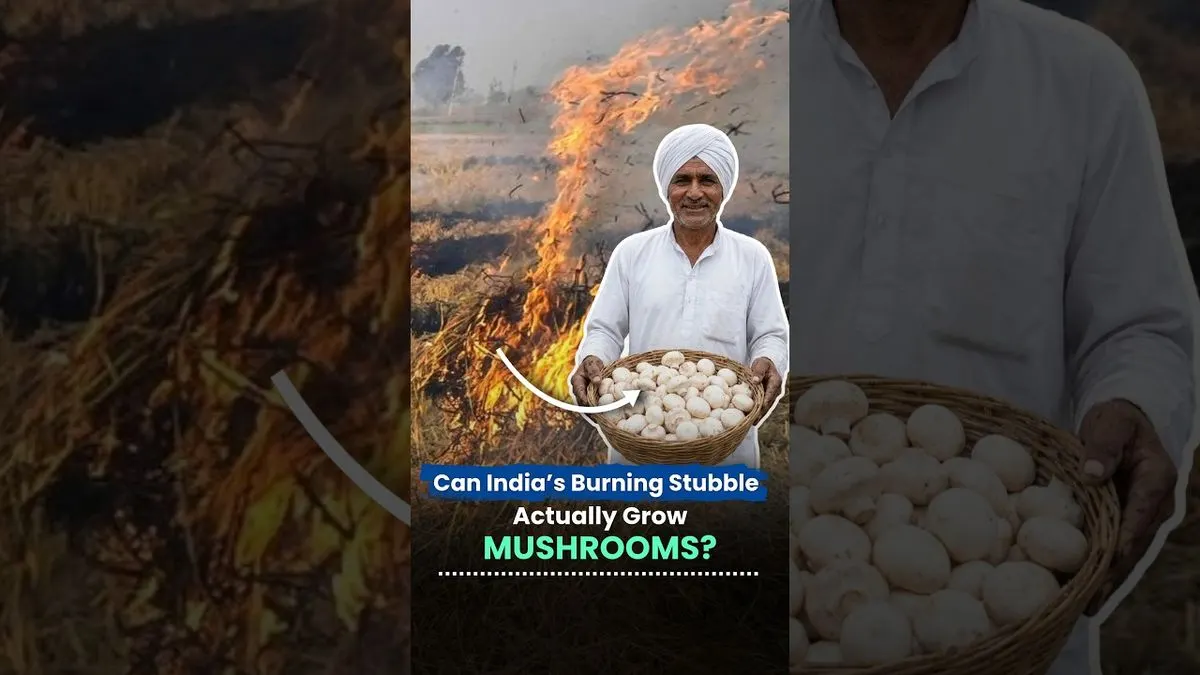
Growing oyster mushrooms on leftover paddy straw in India
Straw that farmers burn can become fresh mushrooms for local markets and restaurants.
More from this day
 United States
Personalised Santa letters mailed to children for parents in the US
Parents pay a few dollars so a child finds a personal letter from the North Pole in the mailbox.
Custom scavenger hunts for team events and parties in your town
Turn a childhood love of treasure hunts into a paid game that companies and party hosts book by the event.
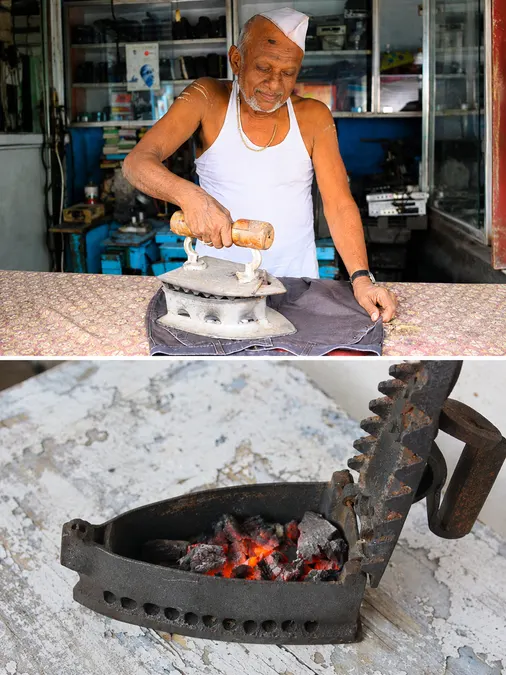
Solar-powered street ironing cart for neighbourhoods in India
A press wallah's cart that irons shirts with sunshine instead of burning charcoal all day.