
Collecting salon hair clippings for oil-absorbing mat makers
Barbershop floor sweepings are becoming raw material for ocean oil-spill barriers.
- Startup cost
- $150–900
- Low budget · under $1k
- Difficulty
- Medium
- Revenue potential
- Side income
- Time to launch
- Weeks
- Seen in
- Brazil
Costs and revenue are rough estimates based on the source and may differ by country.
Collect hair from local salons, barbershops and pet groomers, sort it, and sell it in bulk to makers of hair-based mats that soak up oil spills.
The idea
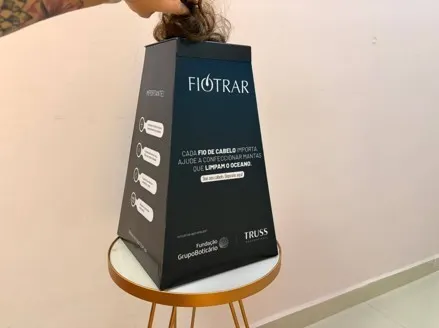
Hair is normally swept up and thrown away. In Brazil, the startup Fiotrar, founded by Mariana Robrahn de Camargo, turns human hair and animal fur into felted mats and barriers that absorb oil and petroleum products. It gathers the raw material from salons, barbershops and pet-grooming shops, and the hair goes through a mechanical felting process. Field tests are running in Guanabara Bay in Rio de Janeiro, and sales are planned for 2027. In a lab test with mineral oil, hair held about 9.46 g per gram, against 7.21 g for polypropylene, a material used in commercial absorbents. Lab results do not prove real-world performance.
The one-person version of this idea is the supply side: you become the local collector. You place bins in salons, pick up the hair, sort it from other waste, and sell it in bulk to whoever makes the mats. The source says the makers' growth depends on more collection points, which is exactly the gap you would fill. It gives no price for hair, so any price is something you must negotiate.
Who it fits
Anyone with a small car or cargo bike, a dry corner at home for storage and a talent for talking to shop owners. It works beside a job: a weekly route of a few hours is enough. Salons like the story of turning waste into something useful, and some may want a sticker to show customers. It could work in any port city or country with many salons and an oil-handling industry, but you must first find a real buyer.
Costs and revenue
These are editorial estimates, not source figures. Expect to spend roughly $150–900 on lidded bins or boxes, strong bags, gloves, a hanging scale, printed signs and fuel. Hair is light, so volume is the challenge. Revenue could come from the sale price per kilo and, perhaps, a small monthly fee from salons that want a sustainability service. A realistic first range is around $50–400 a month, rising only with many collection points.
Risks and pitfalls
- No confirmed buyer: the maker is not yet selling its products. Agree supply terms or a trial batch before installing bins.
- Contamination: dye, chemicals, plastic and wet hair spoil a batch. Give clear instructions and keep bins dry.
- Hygiene and rules: check local waste-transport rules and use gloves and sealed bags.
- Thin margins: hair weighs little, so keep routes short and cluster pickups.
- Unreliable salons: visit regularly and reward the most careful partners.
How to start
6 stepsVisit 5–10 salons and groomers to learn how much hair they discard each week.
Contact hair-mat makers or recycling groups and ask about specifications and a trial batch.
Buy lidded bins, strong bags, gloves and a hanging scale, and test sorting at home.
Offer free bins and a small sign to two or three friendly salons and run a pilot month.
Set a per-kilo price or monthly fee based on your costs and the buyer's offer.
Add salons by neighbourhood, and keep pickup routes short to protect margins.
More from this day
 Thailand
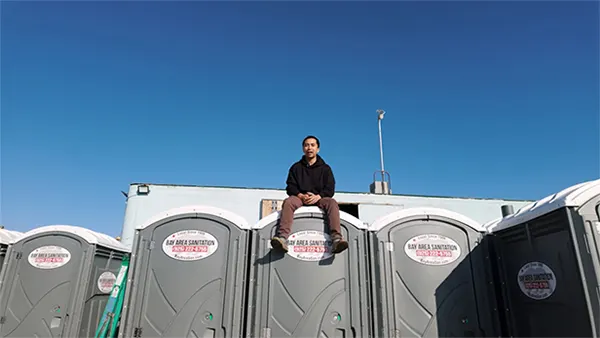
Portable toilet rental for events and building sites, starting small
Everyone needs a toilet, and no app can deliver one: a few units on a pickup can start a repeat-income business.
 United States
Wood-burned drumsticks and home decor from a home workshop
A hobby woodburning pen turns plain drumsticks into custom gifts that musicians happily pay extra for.
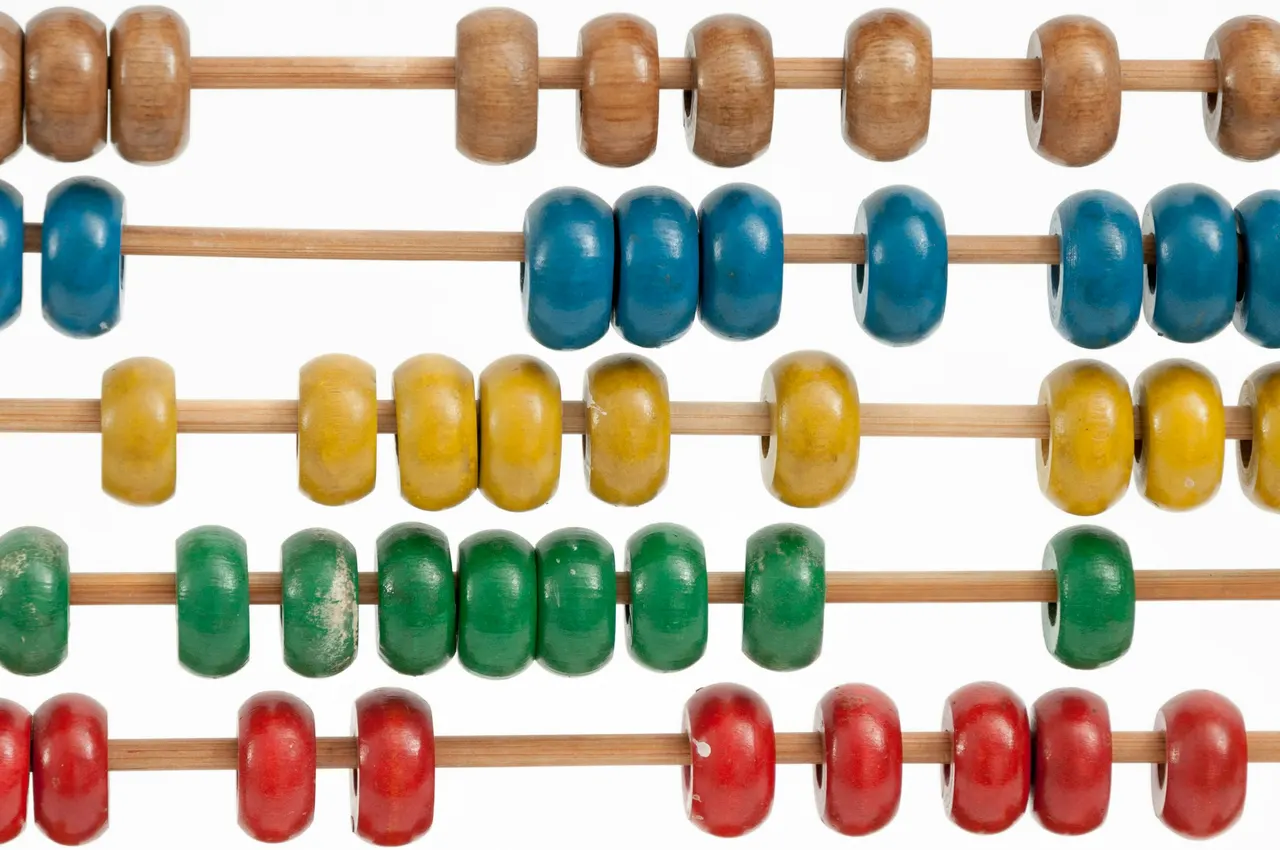
Abacus mental arithmetic classes for children in Africa
Beads, a few textbooks and a corner of your home can become a monthly-fee maths club for local children.

 India
Homemade thekua sold from your own kitchen in India
A family recipe for Bihar's thekua turned one Bengaluru kitchen into a snack brand shipping across India