
Home-kitchen Pelotas doces sold by pre-order to families and cafes
A two-century-old egg-yolk sweet tradition can start on your own kitchen counter, one pre-order at a time.
- Startup cost
- $400–1.5k
- Low budget · under $1k
- Difficulty
- Medium
- Revenue potential
- Full-time living
- Time to launch
- Weeks
- Seen in
- Brazil
Costs and revenue are rough estimates based on the source and may differ by country.
Make traditional Pelotas sweets such as quindim at home and sell them by pre-order to families, cafes and gift shops, pricing every real cost from day one.
The idea
Pelotas, in Rio Grande do Sul, Brazil, is known as the national capital of sweets. The tradition goes back more than two centuries: ships that carried charque (dried beef) north came back loaded with sugar, and local families that used egg whites to starch clothes were left with surplus yolks. Cooks turned them into Portuguese-style sweets. Since 2011, 14 traditional Pelotas doces hold a Geographical Indication, and each certified sweet carries a QR code showing the maker, ingredients, production date and shelf life.
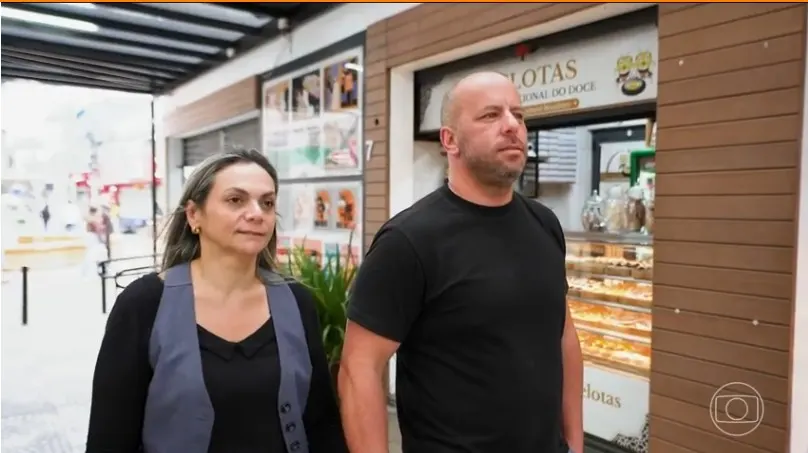
The smallest version of this business is a home kitchen making a few of these recipes, with quindim as the lead product, and selling only on pre-order: gift boxes for families, trays for celebrations, and regular batches for cafes and gift shops. Simone and Maicon Bica started Dona Xica Doces more than 15 years ago exactly this way, improvising a space at home, with family helping, to supply vendors at the Fenadoce fair. Later came fairs, a shop and a factory; you only need the first step. Today they report about R$ 48,000 a month.
Who it fits
Anyone with a decent home kitchen, patience and a family recipe or one you can learn well. It suits evenings and weekends beside a job, because pre-orders let you plan baking days. The quindim needs a resting period before going into the oven, so you must schedule production ahead. The idea would work in any place with a sweet heritage: regional pastries, convent sweets or festival treats.
Costs and revenue
These figures are editorial estimates. Expect roughly $400–1,500 to start: baking trays and moulds, a good oven thermometer, food-safe packaging, labels, a scale and the first ingredient batches. Revenue depends on volume and price; a part-time home maker might expect around $300–1,500 a month, and a full-time one with café accounts more.
The key lesson from the owners: they first priced only ingredients and earned far less than they thought. Include electricity, cleaning products, sponges, taxes and your own labour hours in every price.
Risks and pitfalls
- Underpricing: build a cost sheet with all overheads and your time before quoting.
- Regulation: check local rules for selling home-made food and register where required.
- Spoilage and hygiene: egg-based sweets are perishable; keep cold storage, label dates and sell in small batches.
- Timing: resting and baking times can break delivery promises; set order cut-off days.
- Authenticity claims: only use a geographical-origin name if you follow the recognised recipes and rules.
How to start
6 stepsPick two or three traditional sweets, test the recipes and ask friends and neighbours for honest feedback.
Calculate each sweet's cost with ingredients, energy, cleaning, taxes and your own hours.
Check local rules for home food production and register or get the required permit.
Buy moulds, trays, scales and food-safe boxes with labels showing date and ingredients.
Take pre-orders by phone or messaging, with fixed baking days and a cut-off time.
Offer tasting trays to cafes and gift shops, then add fairs and festive seasons.
More in: Food & drink
 Mexico
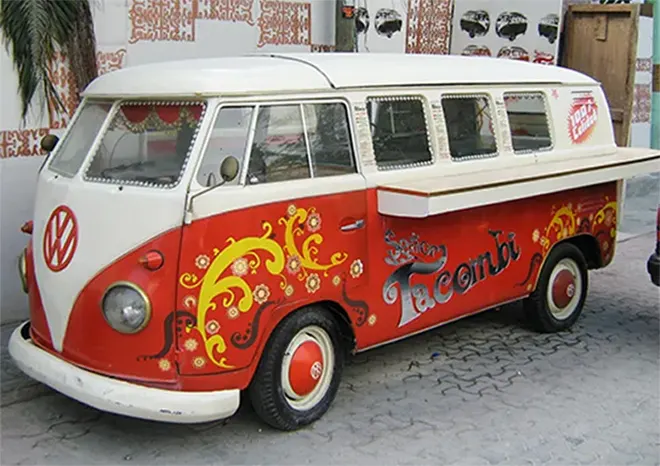
Old Volkswagen van turned into a street taco stand for beach towns
A worn-out 1963 van, a griddle and a beach full of hungry tourists: how one taco stand began.
 United States
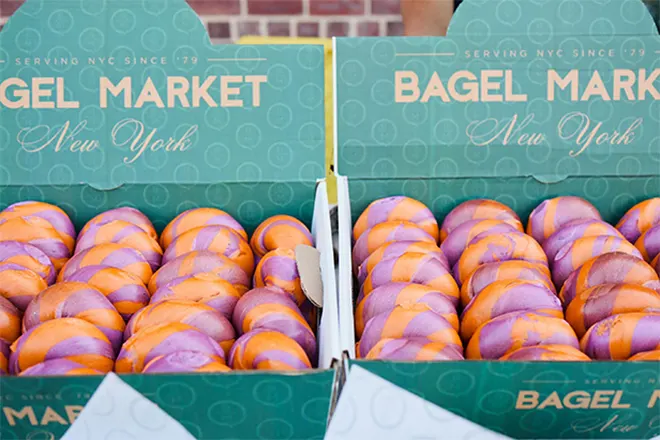
Selling baklava by hand to concert crowds in New York
Three trays of baklava and a bold hello turned a joke bet into a real business.
 Thailand
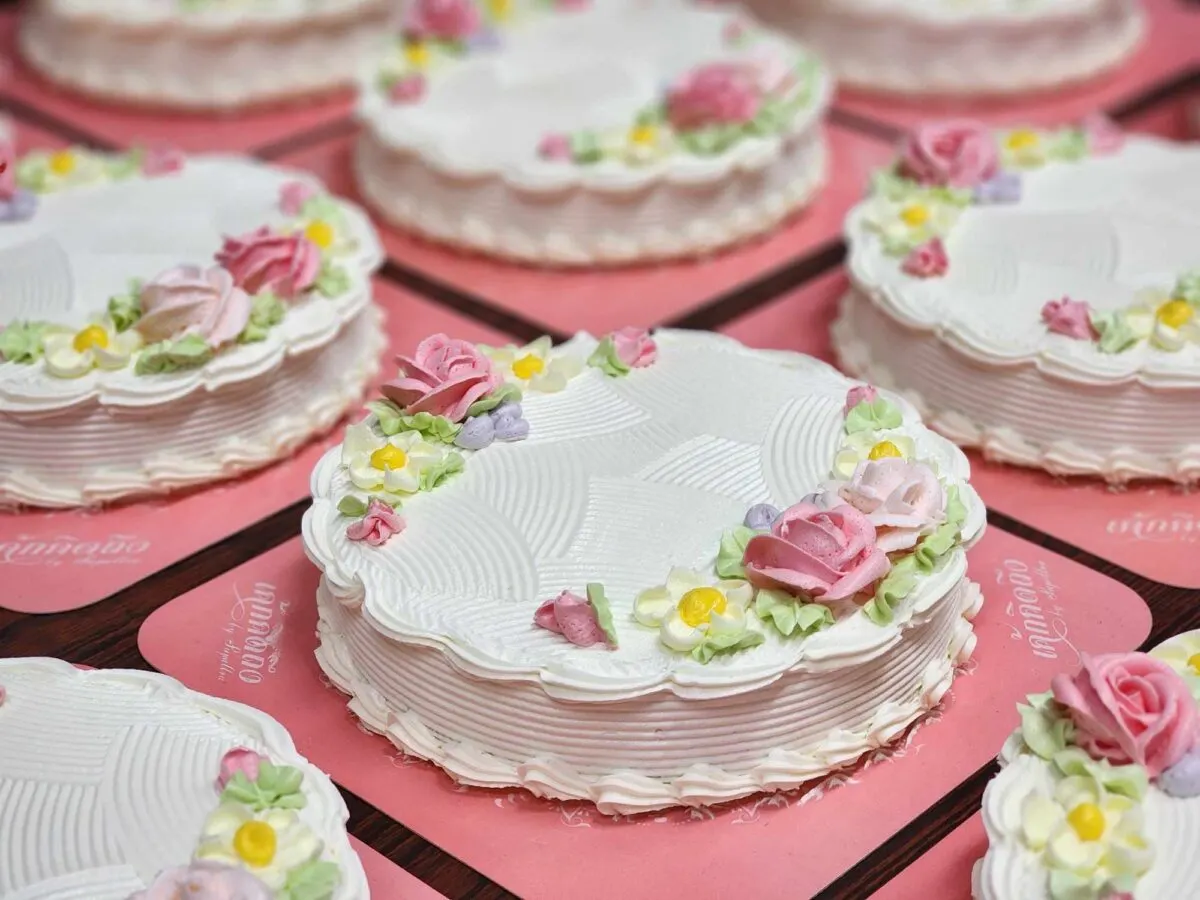
Seasonal pre-order cake baked once a year from a home kitchen
One cake, one season a year: scarcity turns a home recipe into something people wait for.
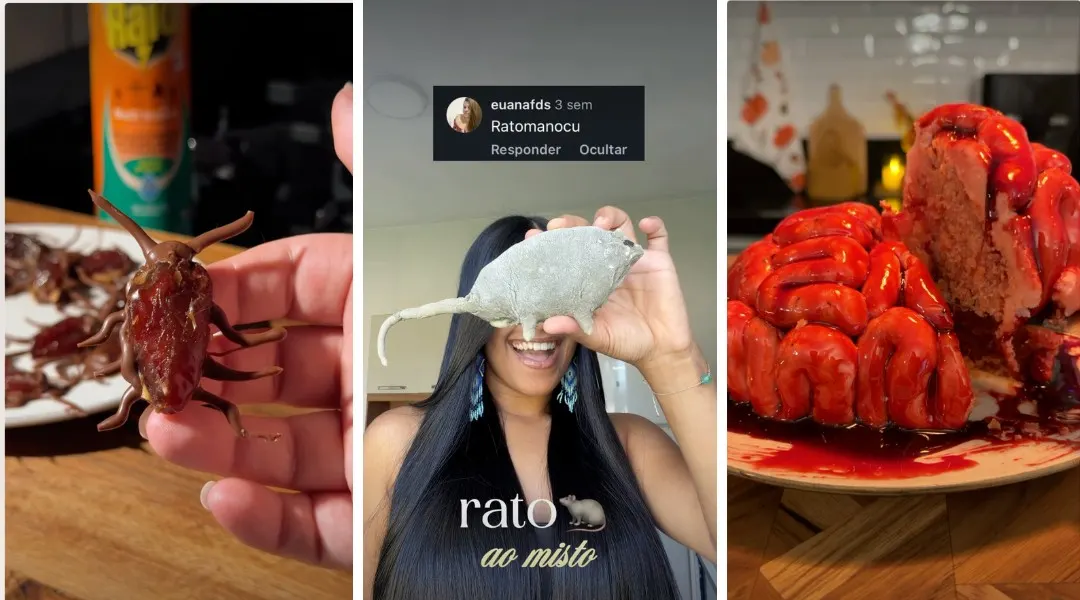
Novelty Halloween treats sold by pre-order from a home kitchen in Brazil
Cockroach dates, rat-shaped snacks and brain cakes: gross-looking food that goes viral and sells.
More from this day
 Germany
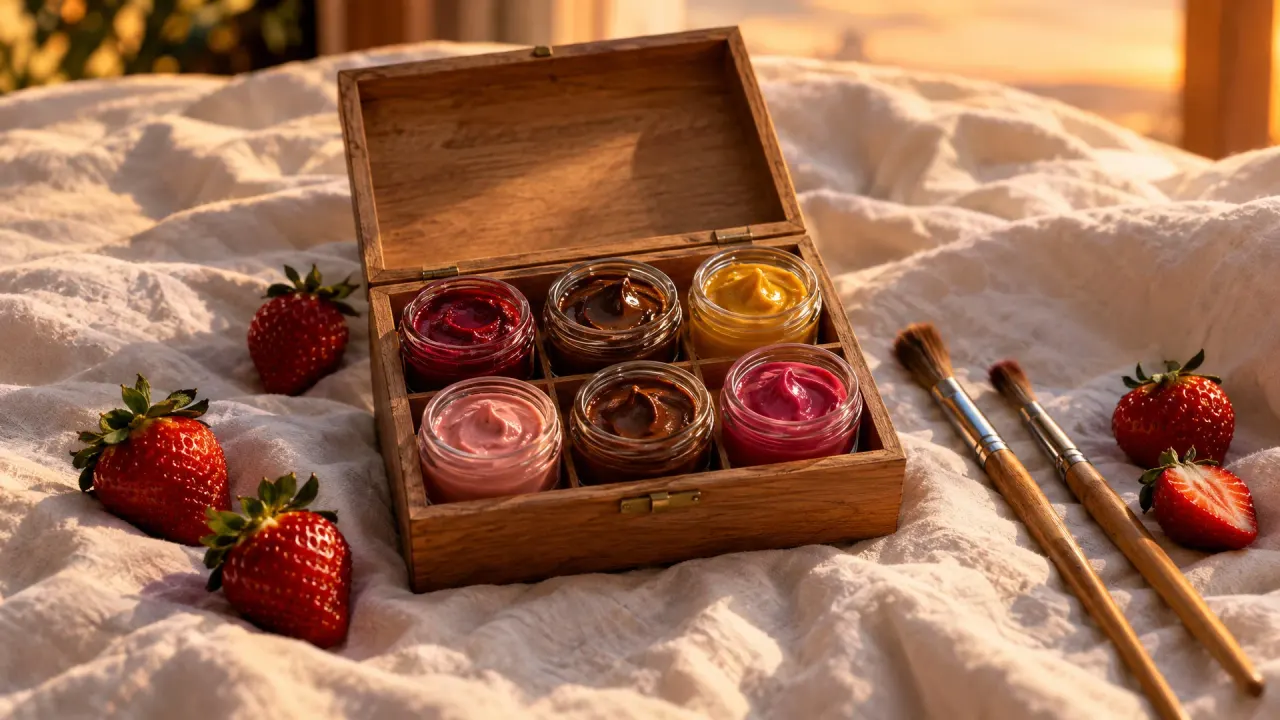
Edible body paint kits for couples, made in small batches
A paint box for two that makes an awkward topic playful, with colours you can actually eat.