
Homemade thekua sold from your own kitchen in India
A family recipe for Bihar's thekua turned one Bengaluru kitchen into a snack brand shipping across India

- Startup cost
- $150–600
- Low budget · under $1k
- Difficulty
- Medium
- Revenue potential
- Scalable
- Time to launch
- Weeks
- Seen in
- India
Costs and revenue are rough estimates based on the source and may differ by country.
Fry and pack traditional Bihari thekua at home and sell it to neighbours, migrants and festival shoppers, starting with a few kilos and a phone for orders.
The idea
Thekua is a crisp, deep-fried sweet from Bihar, made from wheat flour, jaggery or sugar, ghee and dried coconut, and closely tied to festivals such as Chhath. The business is simple: cook it in your home kitchen, pack it in neat boxes and sell it to people who miss the taste of home, such as Biharis living far from their families, plus anyone who wants a snack without factory flavour.
The best-known example is Veena Devi, originally from Gopalganj in Bihar and now based in Bengaluru. She started earning at 20, stitched cloth bags, sold sattu and taught Hindi for 12 years. Then she made thekua, gujiya and namkeen from her mother-in-law's recipe for her daughter's birthday, and that grew into MomsMade. The business says it now reaches over 3 lakh households and dispatches 1,200–1,500 orders a day. You do not need any of that to begin: the smallest version is a few kilos a week sold to people you can reach by phone.
Who it fits
This suits anyone who already cooks well, has a clean kitchen and can spare a few hours for frying and packing. It works beside a job if you cook in weekend batches and take orders in advance. It also fits a family: one person fries, another packs and delivers.
The same idea works wherever people from Bihar or neighbouring regions have moved: big Indian cities, the Gulf, the UK or North America. Local sweets of any region follow the same logic.
Costs and revenue
These figures are editorial estimates, not numbers from the business. Expect roughly $150–600 to start: a heavy frying pan, moulds or a wooden presser, ingredients for the first batches, airtight boxes, labels and the food-business registration your area requires.
A 500 g box typically sells for around $4–7 in India, and ingredients often take 35–45% of that. Selling 20–40 boxes a week could bring roughly $150–600 a month in extra income, with higher peaks around festivals. Growth comes from repeat customers, gift boxes and adding related snacks such as gujiya and namkeen.
Risks and pitfalls
- Licensing: selling food usually needs registration (in India, FSSAI). Check the rules before your first sale.
- Shelf life and hygiene: keep the product fully dry, store it airtight and print a date on every box.
- Seasonality: demand peaks at festivals. Add other snacks and take advance orders to smooth the year.
- Breakage in transit: thekua is crisp. Use rigid boxes with padding before you send parcels.
- Ingredient prices: ghee and jaggery prices move. Track costs per batch and adjust prices before margins vanish.
How to start
6 stepsTest three batches with family and neighbours, and fix the taste, crunch and shelf life before you charge.
Buy a heavy pan, moulds, airtight boxes and labels, and source ghee, jaggery and wheat flour from a steady supplier.
Complete your food registration (FSSAI in India) and note the label details required.
Sell first to your building, community groups and Bihari WhatsApp circles, then post photos on Instagram.
Price per 500 g box so ingredients stay under about 40%, and offer festival gift boxes with advance booking.
Add gujiya or namkeen and courier boxes to other cities once local orders repeat.
More in: Food & drink
 China
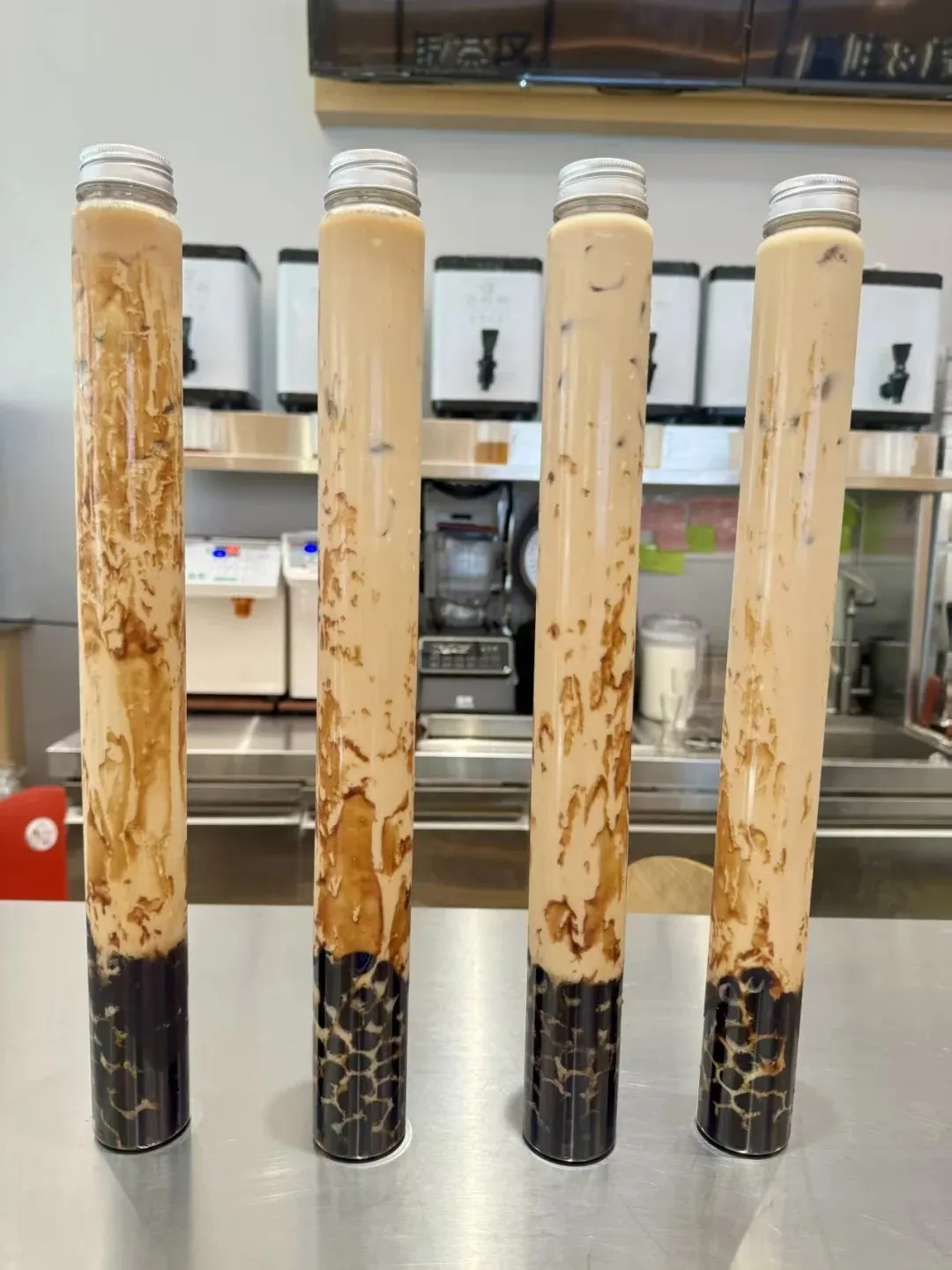
Half-metre milk tea cups sold as a photo-op from a campus cart
Same tea, taller cup: students in China queue to photograph drinks nearly half a metre high.
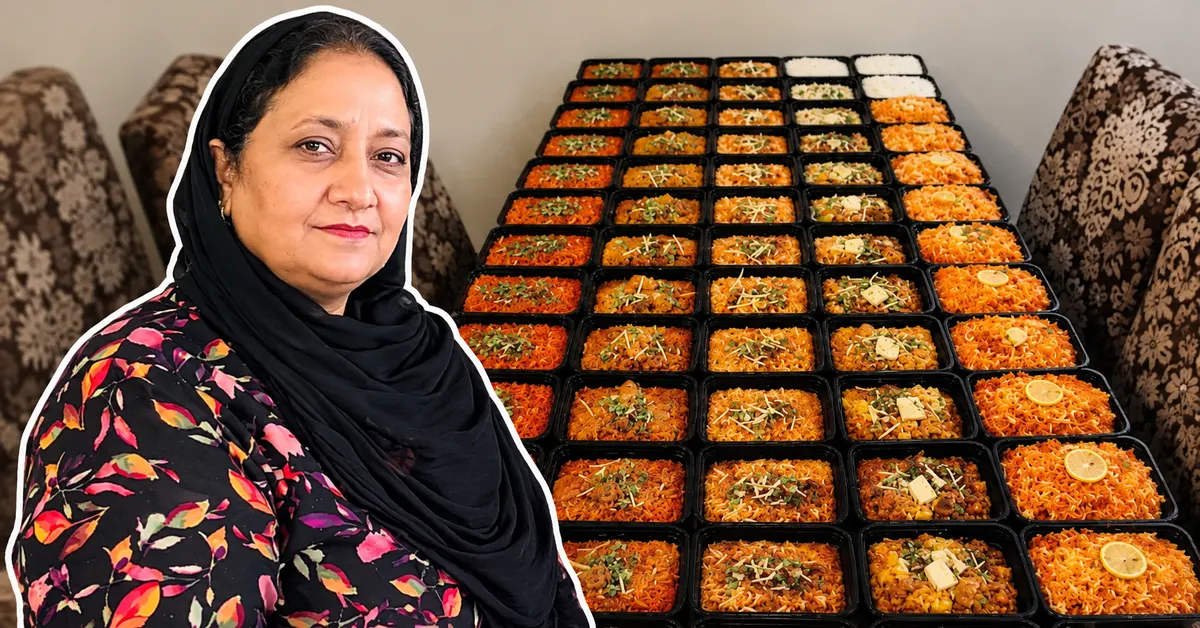
Home-kitchen tiffin and event catering in Srinagar, Kashmir
She began with one tiffin box and her own stove, and now feeds 200-guest events.
 Brazil
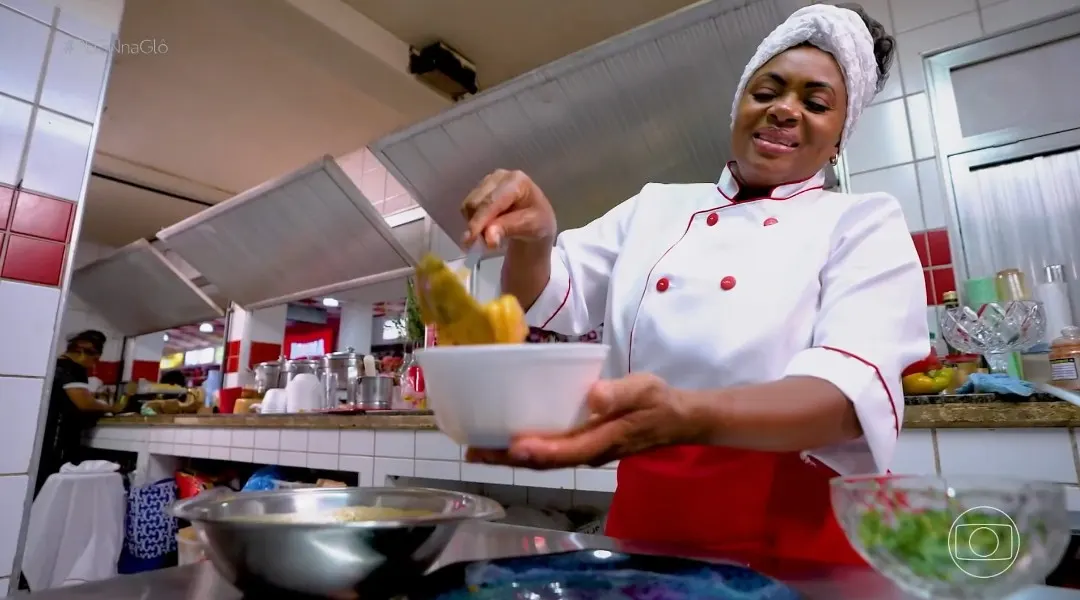
Hot Brazilian broth stall for evening crowds in Rio de Janeiro
She started with about R$300 and a borrowed stall; broth now pays her far more than manicures did.
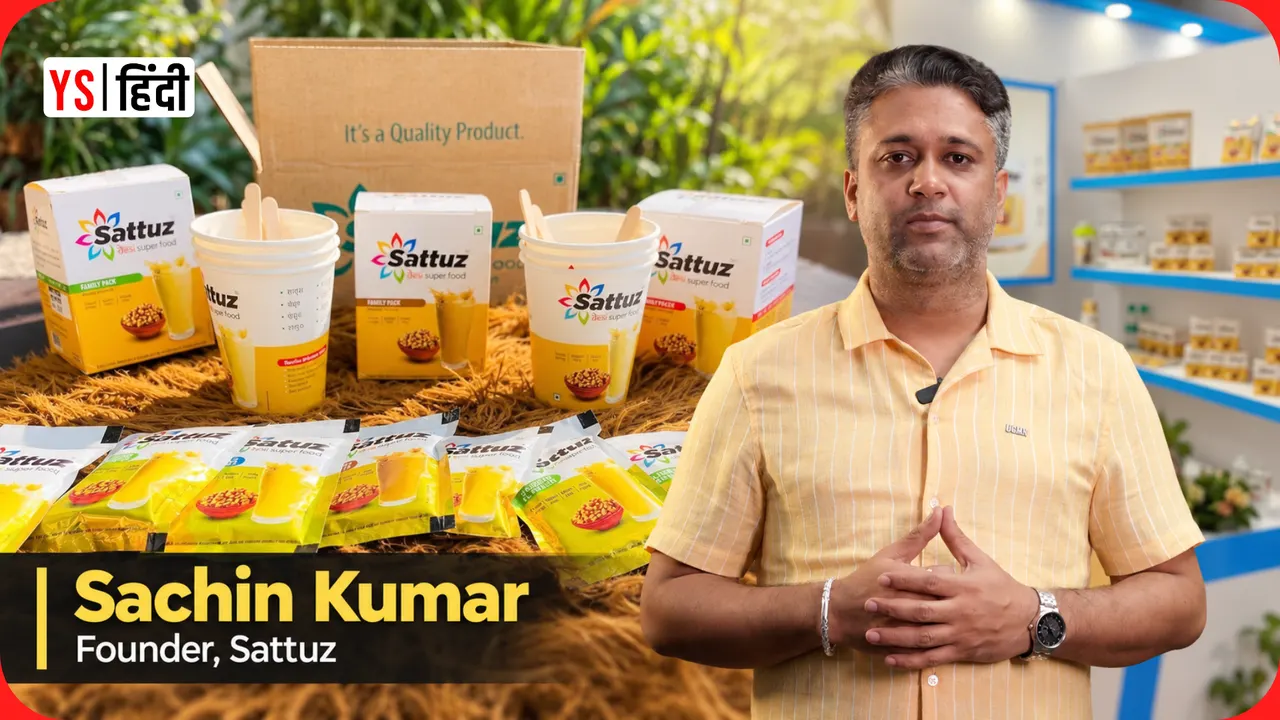
Sattu health mixes and ready-to-drink packs from a Bihar home kitchen
Roasted gram flour, a Bihar village staple, is being repackaged as a modern protein drink people buy online.