
Home-kitchen tiffin and event catering in Srinagar, Kashmir
She began with one tiffin box and her own stove, and now feeds 200-guest events.
- Startup cost
- $50–600
- Low budget · under $1k
- Difficulty
- Medium
- Revenue potential
- Full-time living
- Time to launch
- Weeks
- Seen in
- India
Costs and revenue are rough estimates based on the source and may differ by country.
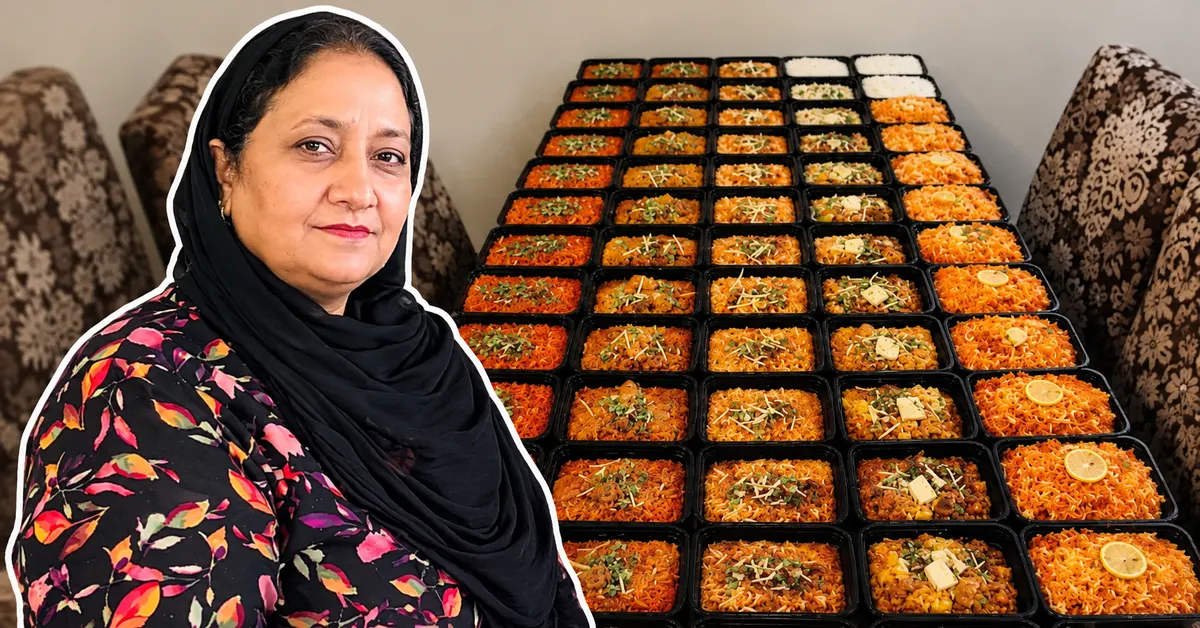
A former teacher in Srinagar began selling home-cooked tiffin meals, then moved into catering for events, offices and hospitals without leaving her own kitchen.
The idea
Ruksana Begum spent 19 years teaching before she resigned in 2019 and started Ghar Batti Food Service from her home in Srinagar, Kashmir. The name keeps the domestic link: ghar means home and batti is the Kashmiri word for rice. She began with a tiffin service, delivering home-cooked meals every morning and evening. Individual orders ranged from under ₹100 to about ₹2,000. Customers who liked the food then asked her to cook for special occasions, and she moved towards event catering.
According to her, Ghar Batti now supplies hospitals, schools, banks and offices, handles around 10 to 12 events in a month, and can serve up to 200 guests at once. Orders are booked in advance by phone, WhatsApp and social media, and she cooks to order rather than running a restaurant. The menu mixes Kashmiri dishes (rogan josh, yakhni, dum olav, harissa in winter) with popular favourites such as butter chicken and palak paneer.
Who it fits
This suits someone who already cooks well for a crowd and has a clean, working home kitchen. She started almost alone with her husband's help; family joined as orders grew. It can run beside a job if you take only weekend or advance orders. The model would work in any city where people want trusted home-style food: office districts, hospital areas, student neighbourhoods.
Costs and revenue
Begum says her initial investment was almost zero: a tiffin box plus the gas, spices and equipment she already had. Our estimate for a careful start is roughly $50 to $600 for containers, a few large pots, packaging, a food licence where required and some printed cards. Expect to need larger pans and a delivery plan as events grow.
Pricing is per meal for tiffins and per head or per tray for events. As a rough estimate, a part-time start might bring $150 to $500 a month, and a steady event and institutional business perhaps $800 to $2,500 a month after ingredients and helpers. These are editorial estimates, not figures from the business.
Risks and pitfalls
- Exhausting routine: daily tiffin delivery was demanding for her. Limit the route, or move towards booked events.
- Food safety: large batches raise hygiene risk. Keep cold storage, clean surfaces and cook close to serving time.
- Licensing: check local food-business registration rules, which often apply once you supply institutions.
- Thin margins: cost every dish, including gas and delivery, before quoting a price.
- Debt and overreach: she is cautious about borrowing. Grow with advance payments from customers rather than loans.
How to start
6 stepsCook a trial menu for neighbours and family and note which dishes they ask to buy again.
Use your existing pots and a few tiffin boxes; buy larger containers only after paid orders arrive.
Check local food registration rules and get any licence needed before supplying offices or institutions.
Take bookings on WhatsApp and social media, with a short menu and clear advance-notice rules.
Price per meal or per head after costing ingredients, gas and delivery, and ask for a deposit on events.
Add helpers and event orders only as bookings grow, keeping the home-cooked style that customers pay for.
More in: Food & drink
 Brazil
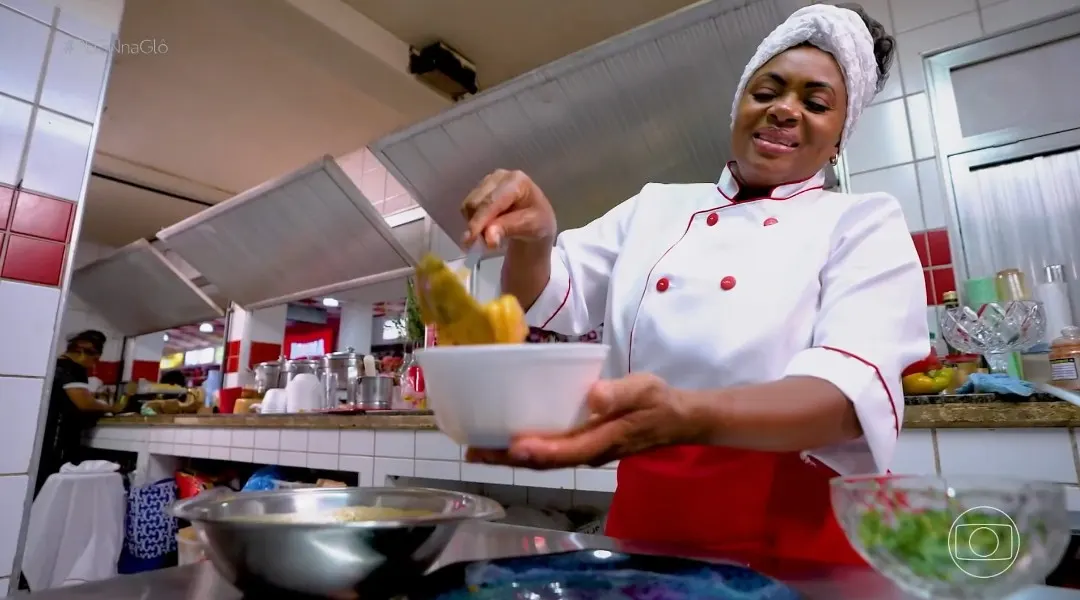
Hot Brazilian broth stall for evening crowds in Rio de Janeiro
She started with about R$300 and a borrowed stall; broth now pays her far more than manicures did.

Sattu health mixes and ready-to-drink packs from a Bihar home kitchen
Roasted gram flour, a Bihar village staple, is being repackaged as a modern protein drink people buy online.
 Indonesia
Hatch-window rice stall for mall and office workers in Jakarta
A hole in a mall wall, a counter and a few stools: cheap home-style rice meals for hungry staff.
 United States
Home-baked cupcakes sold at a local market and to TV sets
A social worker's market cupcakes grew into a repeat order from a TV show.
More from this day

Buying storage unit auctions and reselling clothes and shoes online
You bid on a whole room of unknown stuff, then sell the best items one by one.
Backyard dahlia growing for cut flowers and tubers
One small plot of dahlias can feed florists, gardeners and a bouquet stand from summer to frost.

One-person direct mail service for local shops and restaurants
Local shops still want customers on their doorstep, and you can design, print and deliver the postcards.
 Kenya
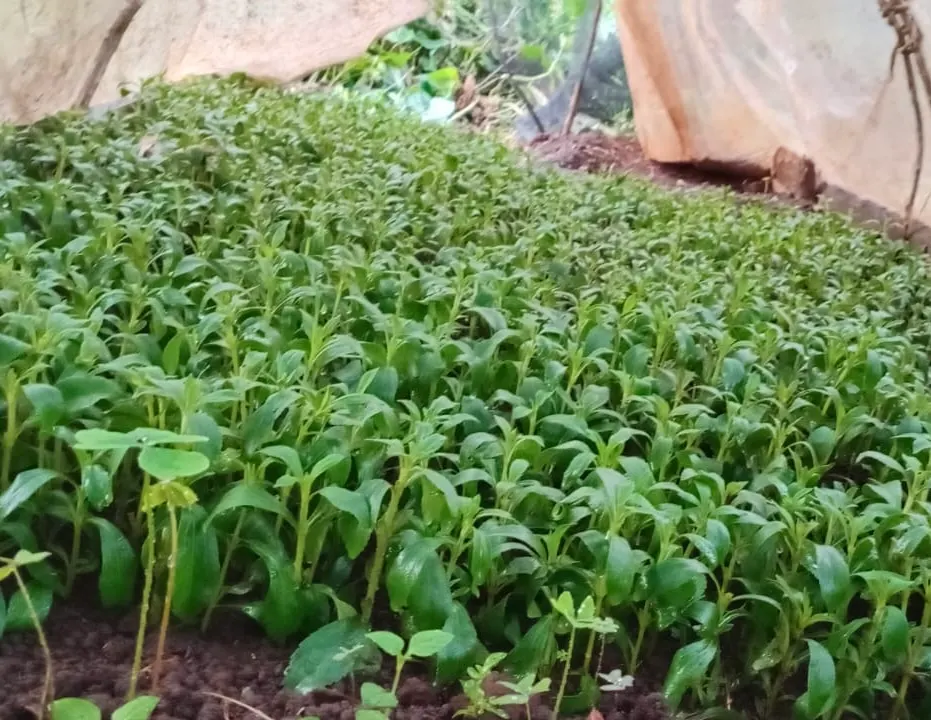
Homegrown stevia sweetener powder sold in small bags in Kericho
A leaf that is about ten times sweeter than sugar can be grown, ground and sold from half an acre.