
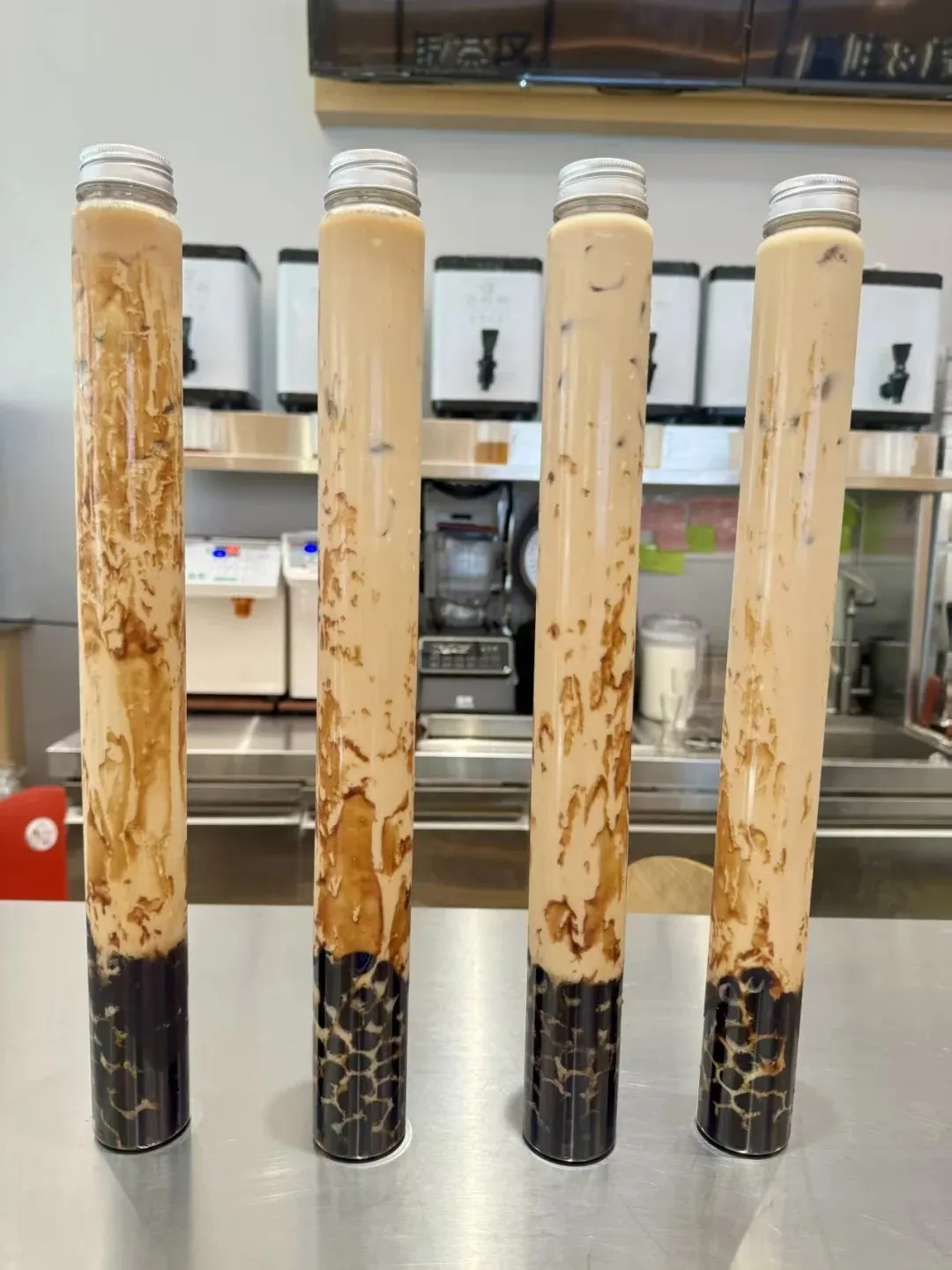
Half-metre milk tea cups sold as a photo-op from a campus cart
Same tea, taller cup: students in China queue to photograph drinks nearly half a metre high.
- Startup cost
- $800–4k
- Mid budget · $1k–10k
- Difficulty
- Easy
- Revenue potential
- Side income
- Time to launch
- Weeks
- Seen in
- China
Costs and revenue are rough estimates based on the source and may differ by country.
Sell milk tea in slim 45 cm cups from a small cart or stall. The drink is ordinary; the shareable height is what makes students pay and post.
The idea
You sell ordinary milk tea in an extra-tall, slim cup, around 45 cm, and the cup is the product. Customers buy it to photograph, film and share. On Chinese campuses, including Beihang University and Beijing Language and Culture University, shops are selling these cups for 12 to 15.8 RMB (roughly 1.80 to 2.30 USD). At one Liaoning campus the owner admitted a 45 cm cup holds the same 700 ml as a regular one, and it came with a straw almost a metre long. Students in Nanjing nicknamed theirs fazhan naicha, "stand-in-the-corner milk tea". The trend followed the 60 cm egg tart that went viral in September, when internet users made AI memes of absurdly long milk teas and shops made them real.
Who it fits
This suits one person or a couple with a small cart, a market stall or a counter space, and a good feel for social media. You need no special skills beyond making decent tea and keeping things clean. It works beside a job if you open on evenings and weekends. Anywhere with students, tourist streets, night markets, fairs or festivals could work, because the buyer is paying for a funny picture.
Costs and revenue
These figures are my estimates, not the source's. Expect roughly $800 to $4,000 to start: tall cups and long straws, a sealing machine, tea brewing gear, a fridge or cooler, a cart or table, ingredients and a first signage. Because the liquid volume matches a normal cup, your ingredient cost stays similar and the novelty lets you charge a little more. At around $2 to $3 a cup and 40 to 100 cups on a good day, typically expect $600 to $2,500 a month before costs, with a big spread by location.
Risks and pitfalls
- Short trend life. Extra-long is a fad. Keep startup spending small and plan a next novelty, such as a new cup shape or seasonal flavour.
- Copycats. Anyone can buy tall cups. Compete on location, taste, a recognisable look and fast service.
- Practical problems. Tall cups tip over and long straws are awkward. Use a sturdy carrier, sealed lids and test cups before selling.
- Hygiene and permits. Beverage stalls often need a food licence. Check local rules, keep dairy cold and use clean water and ice.
- Honesty. Say the volume clearly so buyers are not misled by the height.
How to start
6 stepsWatch which novelty drinks students share locally, then pre-sell a test batch to friends and ask them to film it.
Source slim 45 cm cups, lids and long straws from a packaging supplier; order samples and check they stand and seal.
Choose a tea base and fixed recipe that fills the cup, and cost one serving including cup, straw and toppings.
Check your local food-handling and street-vending rules, then get the licence and a cooler or fridge for dairy.
Set up near a campus gate or busy street at peak hours, with a photo-friendly sign, and invite customers to tag you.
Price a little above standard tea, track daily sales, and rotate flavours or cup shapes every few weeks.
More in: Food & drink

 India
Homemade thekua sold from your own kitchen in India
A family recipe for Bihar's thekua turned one Bengaluru kitchen into a snack brand shipping across India
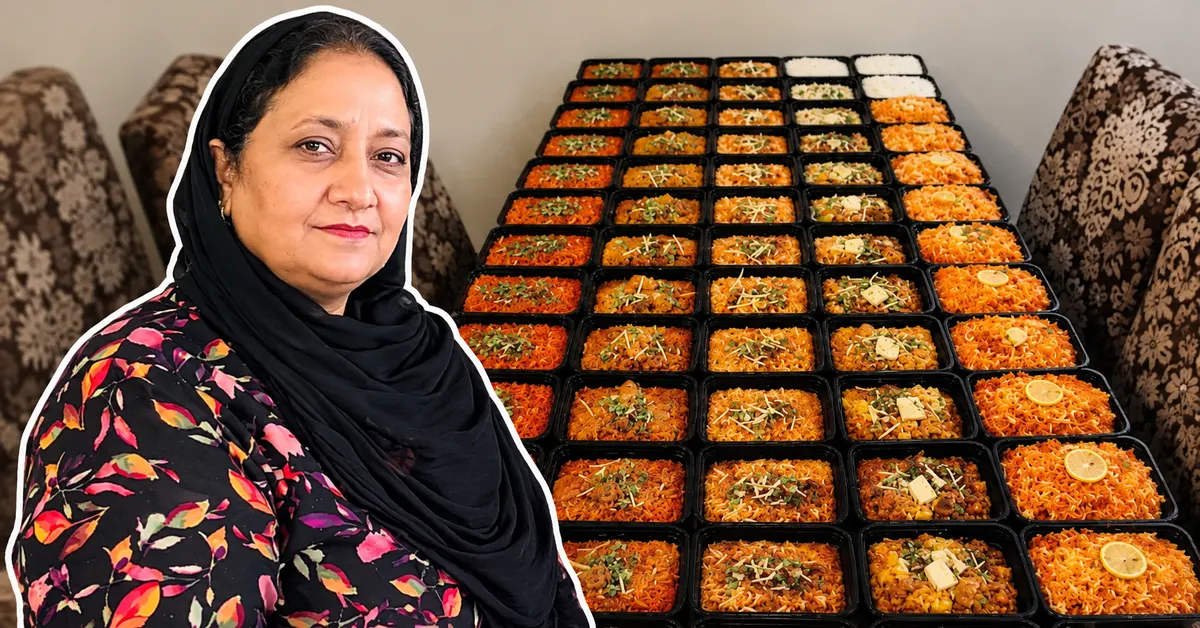
Home-kitchen tiffin and event catering in Srinagar, Kashmir
She began with one tiffin box and her own stove, and now feeds 200-guest events.
 Brazil
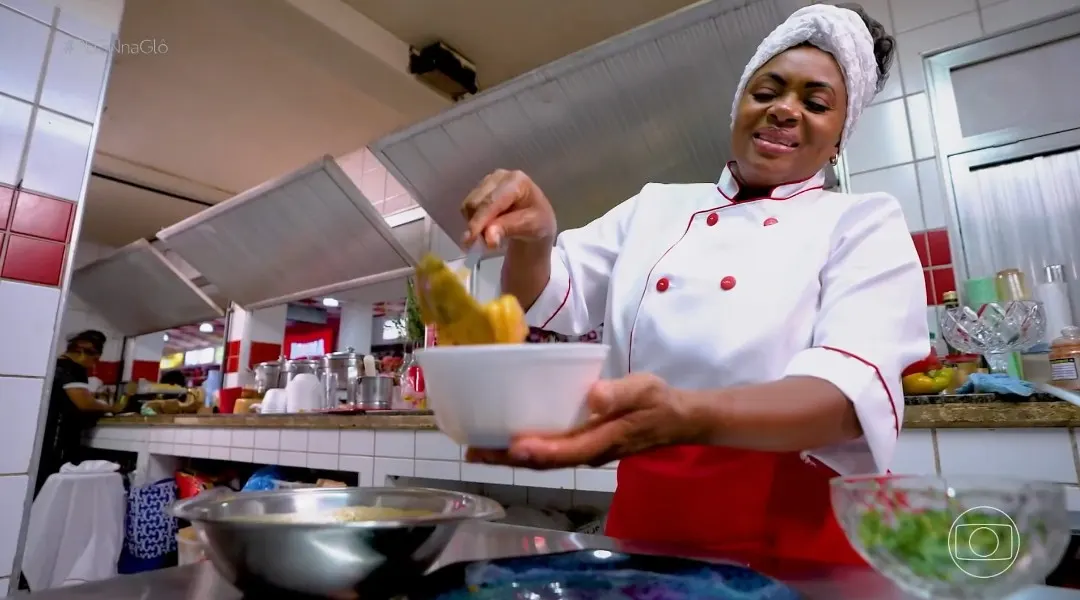
Hot Brazilian broth stall for evening crowds in Rio de Janeiro
She started with about R$300 and a borrowed stall; broth now pays her far more than manicures did.
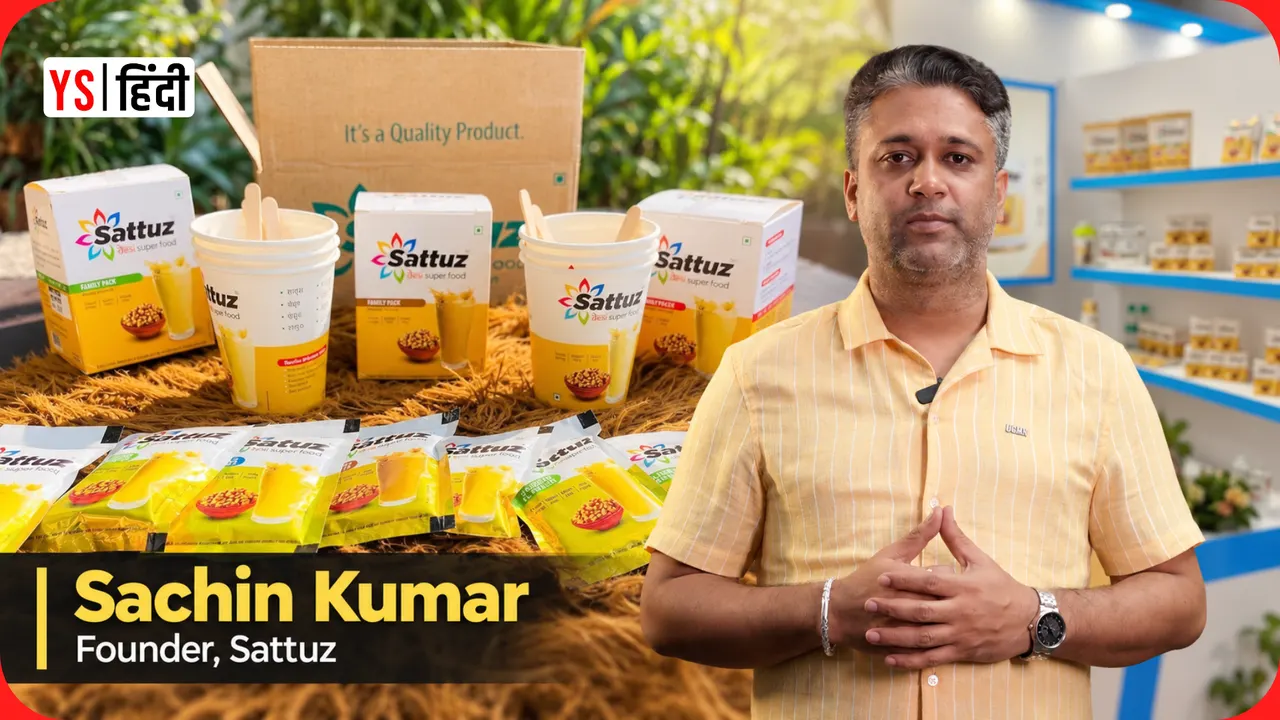
Sattu health mixes and ready-to-drink packs from a Bihar home kitchen
Roasted gram flour, a Bihar village staple, is being repackaged as a modern protein drink people buy online.
More from this day
 United States
Mystery needlepoint canvas vending machine for boutiques in Virginia
Shoppers pay $18 for a token and get a surprise hand-painted canvas to stitch at home
 Thailand
Huggable pillow bags sewn at home and sold by pre-order in Bangkok
A 15-year-old turned a sleepy train commute into a bag brand whose pre-orders keep selling out.