
Neighbourhood TV viewing room for football fans in Kenya
Your spare room, one pay-TV subscription and a few benches can turn match nights into a small income.

- Startup cost
- $350–900
- Low budget · under $1k
- Difficulty
- Easy
- Revenue potential
- Side income
- Time to launch
- Weeks
- Seen in
- Kenya
Costs and revenue are rough estimates based on the source and may differ by country.
Neighbours pay a small fee to watch football and other paid channels in a spare room or shed set up with a TV, seating and a suitable subscription.
The idea
Many households cannot afford a full pay-TV subscription, yet they want to watch live football, big boxing nights or popular series. The idea: you set up a small viewing room in a spare room, shed or covered yard, and neighbours pay a small entry fee to watch paid channels on your screen. You earn from the door fee, and often from cold drinks, snacks and phone charging on the side.
This kind of neighbourhood viewing room is a familiar sight in Kenyan towns and estates. It works because the cost of the subscription is shared between dozens of people, and because watching with others is part of the fun on match day. The source material does not give figures for this business, so all numbers below are our own estimates.
Who it fits
Anyone with a spare room, a garage or a roofed courtyard in a densely populated area can start. You need no special skills, only reliability, a friendly manner and the ability to keep order. It works well beside a job, because the busiest times are evenings and weekends. Students, retirees, couples and families can share the work: one person at the door, one with the drinks.
The model also fits other places where football is a shared passion and pay-TV is expensive, such as parts of West Africa, South Asia and Latin America.
Costs and revenue
Expect to spend roughly $350–900 to start:
- a good TV (43–55 inches) and a wall mount or stand
- a decoder and the correct subscription for public viewing
- benches or plastic chairs, a simple sign
- a small backup power source or UPS for outages
Charge per match or per session, typically around $0.30–1 depending on the event and the neighbourhood. With 15–30 viewers on busy days and a few quiet days, a realistic monthly income is roughly $100–400 before costs, with drinks and snacks adding a little. Expect the subscription to be your largest running cost.
Risks and pitfalls
- Licensing: a home subscription normally covers private viewing only. Ask the provider about a commercial or public-viewing package, and check county business permit rules.
- Power cuts: a backup supply keeps customers from demanding refunds mid-match.
- Noise and neighbours: set closing times and keep the volume reasonable.
- Seasonality: income follows the sports calendar. Add films, news or series nights to fill quiet weeks.
- Crowd and safety: limit numbers to the room's capacity and keep exits clear.
How to start
6 stepsAsk 10 neighbours which matches and channels they would pay for, and what fee feels fair.
Pick a safe, ventilated room and price a TV, mount, seating and backup power.
Ask your provider for the commercial or public-viewing subscription and get any local business permit.
Announce opening night by word of mouth, a hand-painted sign and a match fixture list on the door.
Set a clear fee per match, house rules and closing times, and sell drinks or snacks beside the screen.
Add film, news or series nights to keep income steady between big fixtures.
More in: Services
 United States
One-person junk removal with a pickup or trailer in the US
A $250 half-load can leave you with nothing once the dump fee and drive time are counted.
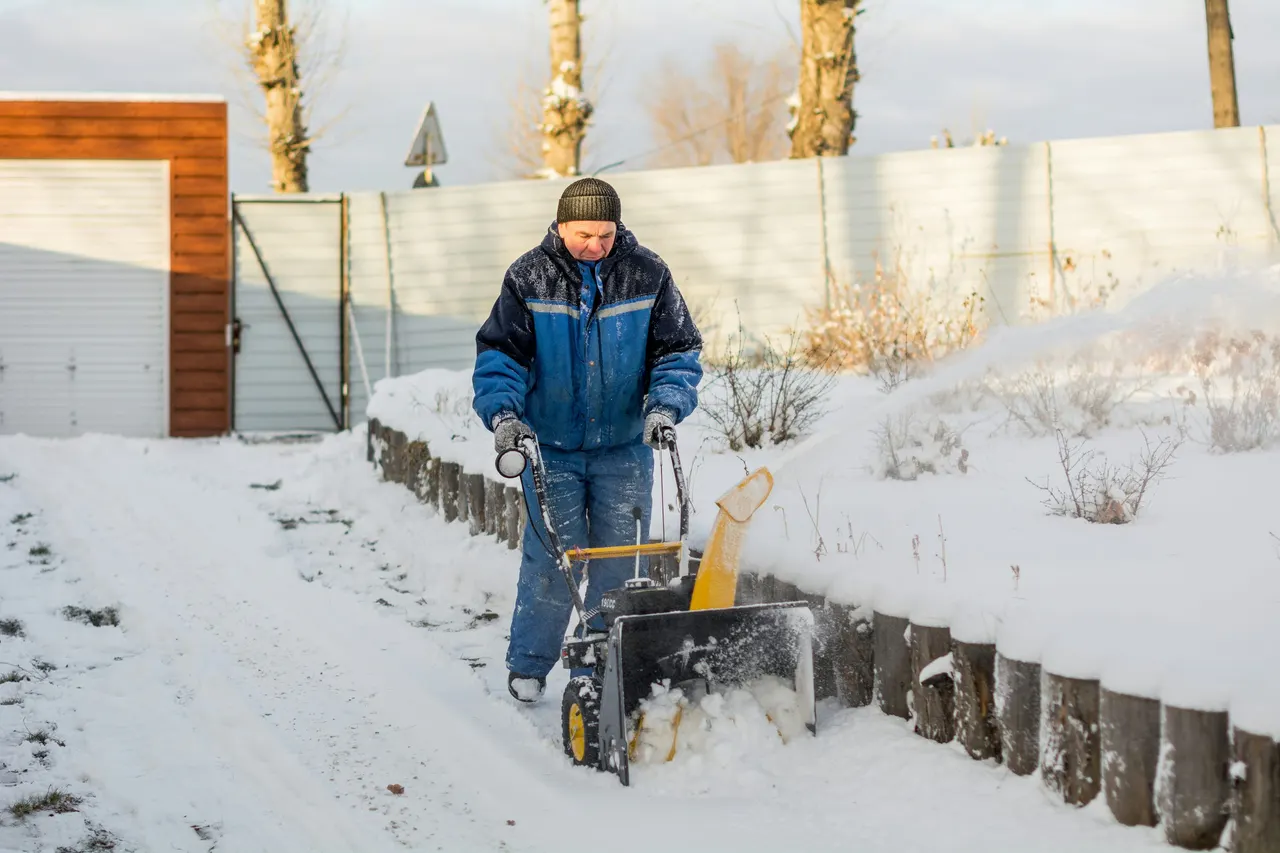
Per-visit driveway snow clearing for homeowners in the US
A shovel, a snowblower and a clear quote can turn every snowfall into paid work.
 Thailand
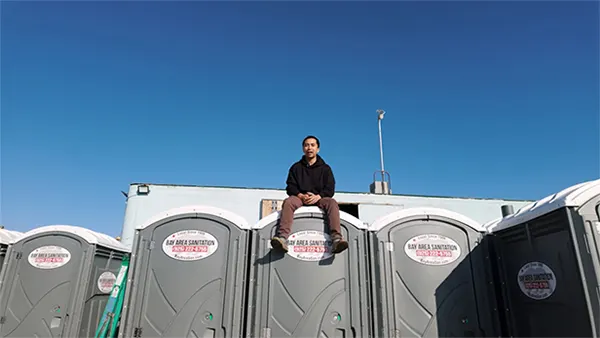
Portable toilet rental for events and building sites, starting small
Everyone needs a toilet, and no app can deliver one: a few units on a pickup can start a repeat-income business.

One-person direct mail service for local shops and restaurants
Local shops still want customers on their doorstep, and you can design, print and deliver the postcards.
More from this day

 Brazil
Acarajé street tray for evening crowds in Salvador, Bahia
A fried black-eyed pea fritter, a tray and a fixed corner: a heritage food trade you can run alone.
 Myanmar (Burma)
Offbeat small-group un-tours of Myanmar led by one host
Friends kept asking him to lead trips, so he built tours around surprises instead of the usual sights.

Boxwood and herb kissing balls sold at Christmas markets
An old doorway charm made from garden clippings turns into a seasonal side income.