
One-person junk removal with a pickup or trailer in the US
A $250 half-load can leave you with nothing once the dump fee and drive time are counted.
- Startup cost
- $1.5k–8k
- Mid budget · $1k–10k
- Difficulty
- Medium
- Revenue potential
- Full-time living
- Time to launch
- Weeks
- Seen in
- United States
Costs and revenue are rough estimates based on the source and may differ by country.
Haul household clutter with a pickup or trailer, and price each job by load size, tipping fees and dump-run time so every trip actually earns a profit.
The idea
You clear unwanted furniture, garage clutter and yard piles from homes, load them into your pickup or a small dump trailer, and take them to a transfer station or landfill. Customers pay for speed and for not having to do the heavy lifting themselves.
The business model in the US is simple, but the pricing is where many solo operators fail. According to the operator behind the source, a typical $250 half-load job can leave almost nothing: roughly $85 in tipping fees, $35 for fuel, insurance and wear, $40 for a paid lead, and $90 for two hours of labour. Quoting only by trailer volume hides weight, drive time and overhead.
The fix is to price from your own costs. If a half-load costs you $180 in total, dividing by 0.60 gives a $300 quote and a 40% net margin. Dense material such as concrete, shingles, dirt or wet drywall should be priced per ton or with a height cap, and mattresses, tyres, old TVs and fridges need fixed surcharges.
Who it fits
This suits someone who is physically fit, owns or can borrow a pickup or trailer, and is comfortable talking prices at a customer's door. You can run it beside a job on weekends, then go full-time once bookings are steady. It works anywhere with a landfill or transfer station and people moving house, renovating or clearing an estate.
Costs and revenue
These are editorial estimates. Expect roughly $1,500–$8,000 to start: a used pickup or trailer, straps, tarps, gloves, a dolly, business insurance and basic signage. If you already own a truck, the low end is realistic.
Price each job as total real cost divided by 0.60 to aim for a 40% margin. With a few jobs a day on busy days, a part-time operator might earn a few hundred to a couple of thousand dollars a month, and a full-time one perhaps $3,000–$7,000 net, depending on local dump fees and demand.
Risks and pitfalls
- Weight surprises: heavy loads blow up your dump fee. Ask what the material is, cap heavy loads or charge per ton.
- Lead costs: paid platforms can take $35–$50 per booked job. Build repeat and referral customers.
- Regulated items: fridges with refrigerant, tyres and CRT televisions need fixed fees and proper disposal.
- Drive time: a long dump run is unpaid time. Bundle jobs into one trip and price the round trip.
- Liability: carry insurance and photograph property before you start.
How to start
6 stepsCall your local transfer station to get its per-ton rate, minimum fee and accepted items.
Get a pickup or small dump trailer, straps, tarps, gloves and a dolly, plus commercial insurance.
Check local business licence rules and set up a Google Business profile for your area.
Win first jobs through neighbours, community groups and local listings before paying for leads.
Build a rate card from your costs, divide by 0.60 for a 40% margin and add heavy-load and item surcharges.
Track each job's real costs and adjust prices monthly, then bundle jobs into fewer dump runs.
More in: Services

Per-visit driveway snow clearing for homeowners in the US
A shovel, a snowblower and a clear quote can turn every snowfall into paid work.
 Thailand
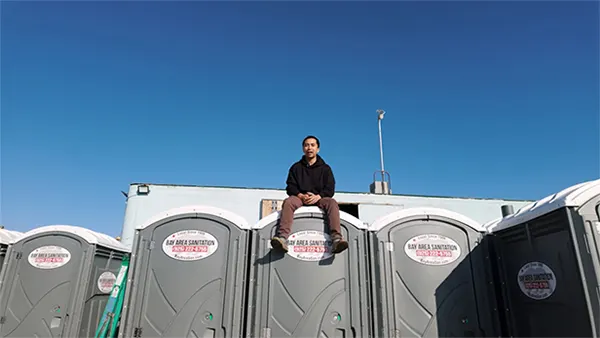
Portable toilet rental for events and building sites, starting small
Everyone needs a toilet, and no app can deliver one: a few units on a pickup can start a repeat-income business.

One-person direct mail service for local shops and restaurants
Local shops still want customers on their doorstep, and you can design, print and deliver the postcards.
 Saudi Arabia
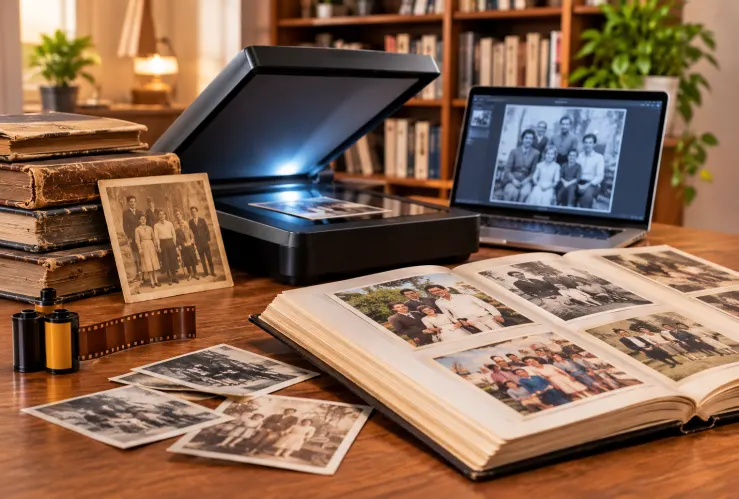
Memory clinic: turning families' old photos and tapes into books
Old photos fade and cassettes decay, so families will pay to turn them into one book.
More from this day
 India
Growing chrysanthemums on a small plot to sell weekly bunches
A Bengaluru farmer sells 1,500 bunches of chrysanthemums a week; the same crop can start in pots at home.
 Kenya
Roadside vegetable plot selling fresh greens in Nairobi
A bare strip of dust beside a busy road became one woman's daily income.
 United Kingdom
Baby card keepsakes: framing newborn cards for parents in the UK
Parents keep every card for a newborn, but few know what to do with them. You can sell the answer.
 Vietnam
Free-range native black chickens raised on a family plot in Lào Cai
A hillside garden, a warm brooder and a local breed that tourists want to taste.