
Giant custom flags for football supporter groups in Brazil
Supporter groups pay for huge banners that must unfurl the right way up in a packed stand.
- Startup cost
- $800–3k
- Mid budget · $1k–10k
- Difficulty
- Medium
- Revenue potential
- Full-time living
- Time to launch
- Weeks
- Seen in
- Brazil
Costs and revenue are rough estimates based on the source and may differ by country.
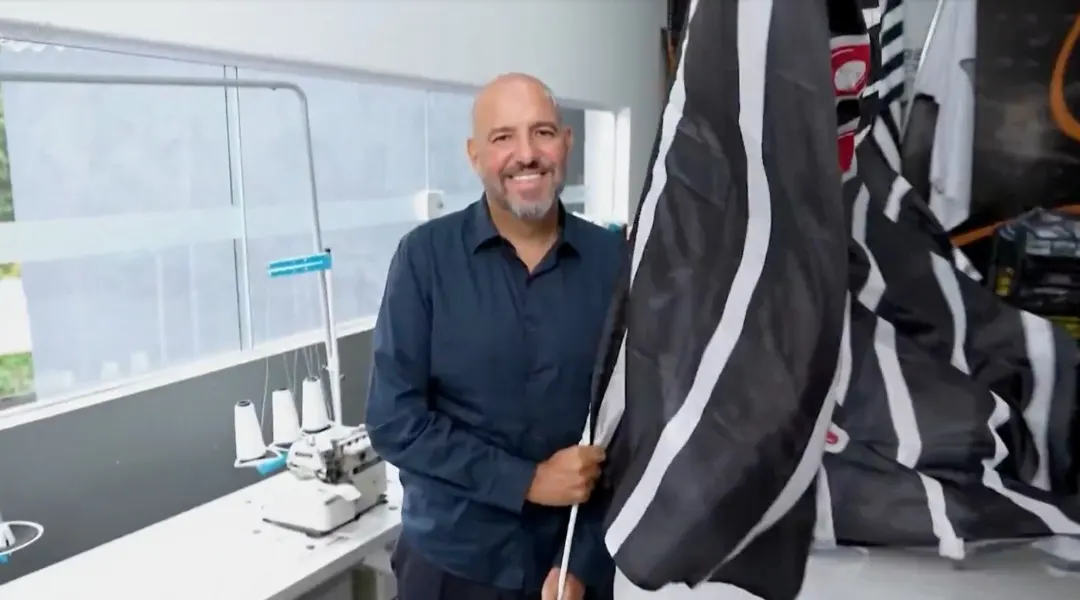
Design giant flags for football fan groups, outsource the printing and sewing, and sell to supporter clubs. A Brazilian founder began this way and now bills R$ 40,000 a month.
The idea
You design and sell giant custom flags to football supporter groups, who carry them into the stands on match day. In Brazil, organised fan groups treat a flag as the symbol of their weekly effort for the club, and they will pay for something large, bold and made to order.
The idea comes from Rogério Maldonado, from Diadema in greater São Paulo. When his own fan group needed a flag, he bought cloth, took it to a seamstress and painted it himself, using skills from artistic make-up. Other groups then asked for flags. At first he had no team or workshop: he had the piece made elsewhere, collected it, had it finished by a seamstress and delivered it. When a client asked for an invoice, he registered as a MEI (Brazil's micro-entrepreneur status) and later invested R$ 80,000 in his company, Bandeiras Digitalizadas. Today it has about 11 staff and bills R$ 40,000 a month. His largest flag, for Fluminense, was 220 m by 90 m and covered a whole section of the Maracanã.
The smallest version is the early one: you are the designer and salesperson, and printers and seamstresses are your suppliers. A detail customers value is marking the cloth "top" and "bottom" so it opens the right way in the stand.
Who it fits
It suits someone who can draw or use design software, knows the football scene and can talk to supporter groups. You need a phone, a computer and a place to store samples. It can run beside a job, since orders cluster around the season and big matches. It would work in any country with passionate fan groups, such as Argentina, Turkey, Italy or Egypt, and also for schools, local clubs and events.
Costs and revenue
Expect roughly $800–3,000 to start the outsourced version: design software, a few samples, deposits to printers and seamstresses, and basic registration. These are editorial estimates. The R$ 80,000 was spent later to build his own production.
Price by area of fabric plus design time, with a deposit up front. As a rough guide, a part-time seller might clear a few hundred to $2,000 a month, and a full-time one with regular groups perhaps $1,500–4,000. Treat these as estimates, not promises.
Risks and pitfalls
- Orientation errors: a flag opened upside down ruins the moment. Print clear "top" and "bottom" marks and send a mock-up for approval.
- Supplier quality: a weak seam can split in the wind. Test samples and keep two suppliers.
- Club rights: crests and brands may be protected. Confirm the group holds the right to use them.
- Seasonality: orders peak around big games and anniversaries. Add banners, event and company printing.
- Cash flow: large fabric costs money. Take deposits before buying cloth.
How to start
6 stepsSketch three sample flag designs and mock them up digitally to show supporter groups.
Find a fabric printer and a seamstress, and order one small test flag from each.
Register as a small business so you can issue invoices to groups and companies.
Visit fan group leaders, show your samples and offer a first flag at a modest price.
Price by area plus design time, and take a deposit before buying any cloth.
Add banners, mosaic sheets and event printing to smooth out the off-season.
More in: Crafts & making

Plush human-organ toys sold to schools and parents in the US
Soft hearts, lungs and stomachs let children learn anatomy by hugging the body part they are studying.
Paid pumpkin carving for Halloween parties and offices
Two Halloween fans turned a seasonal hobby into paid work, with single pumpkins fetching as much as $700.
More from this day
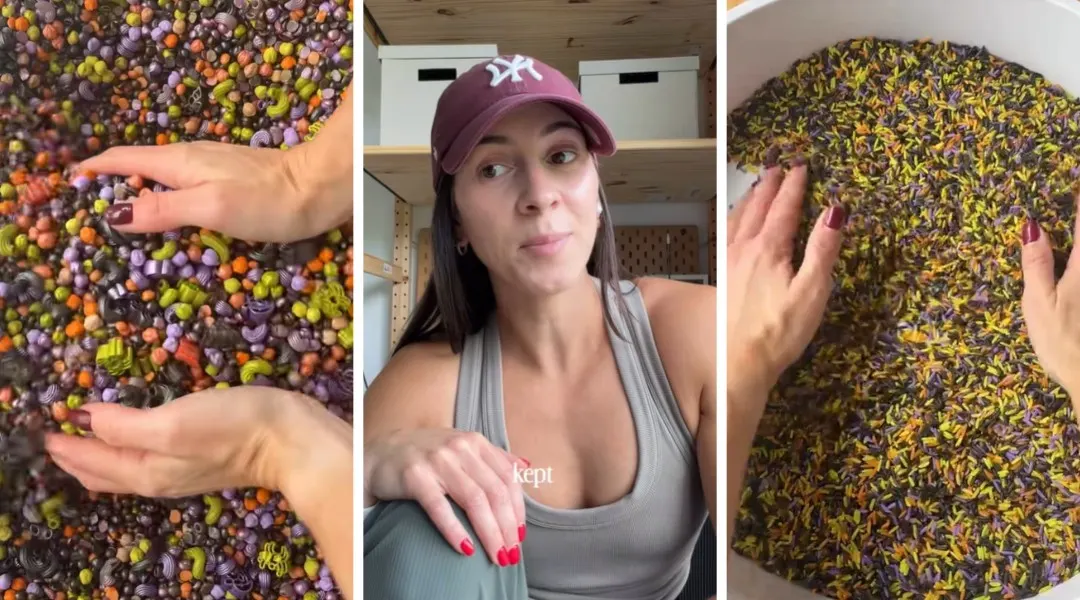
Coloured rice sensory play kits made in a home kitchen, Brazil
A bag of pantry rice and food colouring bought one mother an hour of peace, then a paying online shop.
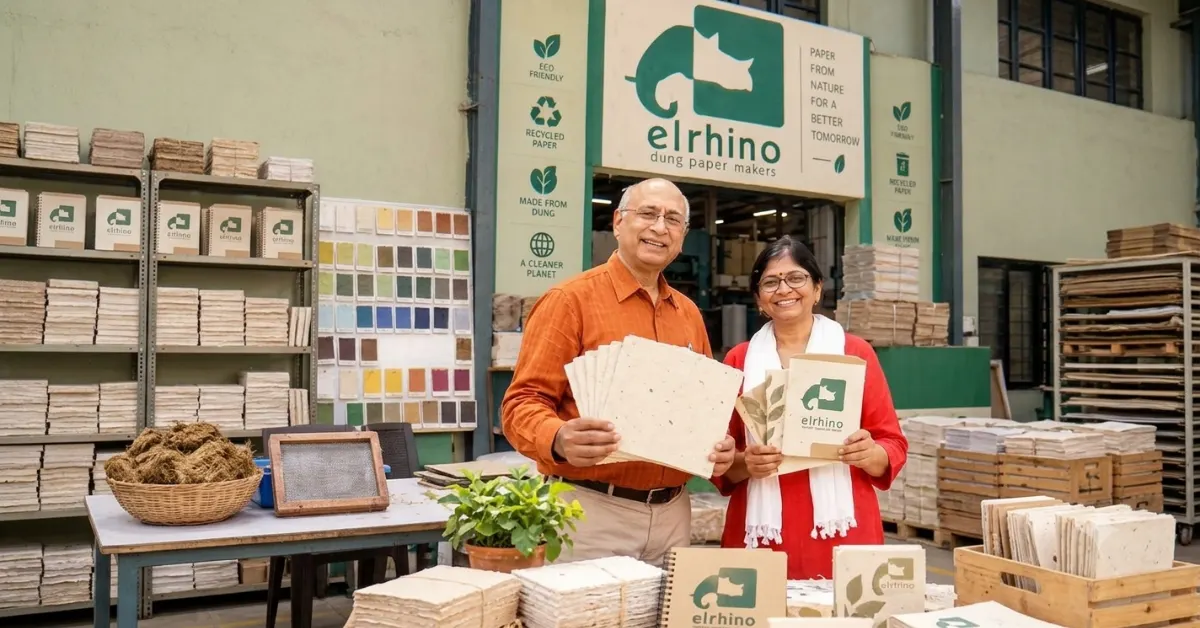

Handmade notebooks from elephant and rhino dung paper in Assam
A kitchen blender, window screens and wildlife dung can become a notebook that tourists happily pay extra for.
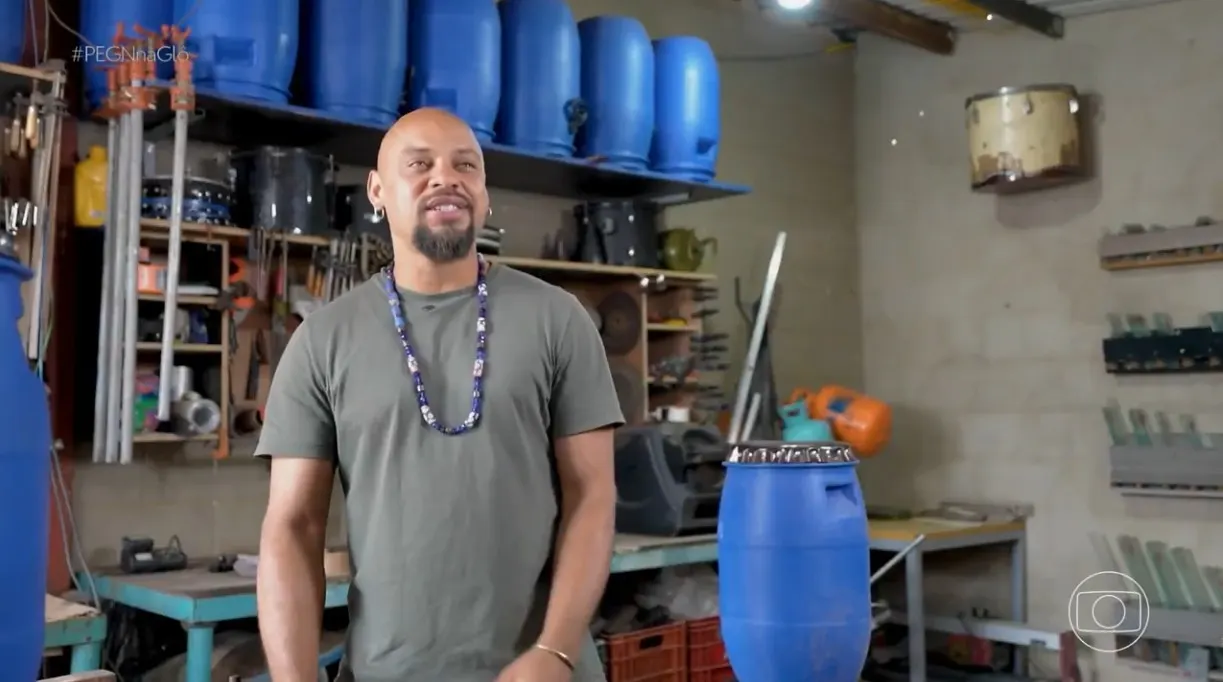
Scrap-built drums and instruments sold from a home workshop in Brazil
A music student with no budget turned plastic drums and bottle skins into a business earning about R$ 20,000 a month.
Free chalkboards for restaurants paid by local advertisers
Give a restaurant a free specials board, then sell the strip along the bottom to neighbouring businesses.