
Scrap-built drums and instruments sold from a home workshop in Brazil
A music student with no budget turned plastic drums and bottle skins into a business earning about R$ 20,000 a month.
- Startup cost
- $300–1.5k
- Low budget · under $1k
- Difficulty
- Medium
- Revenue potential
- Full-time living
- Time to launch
- Weeks
- Seen in
- Brazil
Costs and revenue are rough estimates based on the source and may differ by country.
Build drums and percussion from scrap such as plastic barrels and PET bottle skins, then sell to musicians, capoeira groups and music schools from a home workshop.
The idea
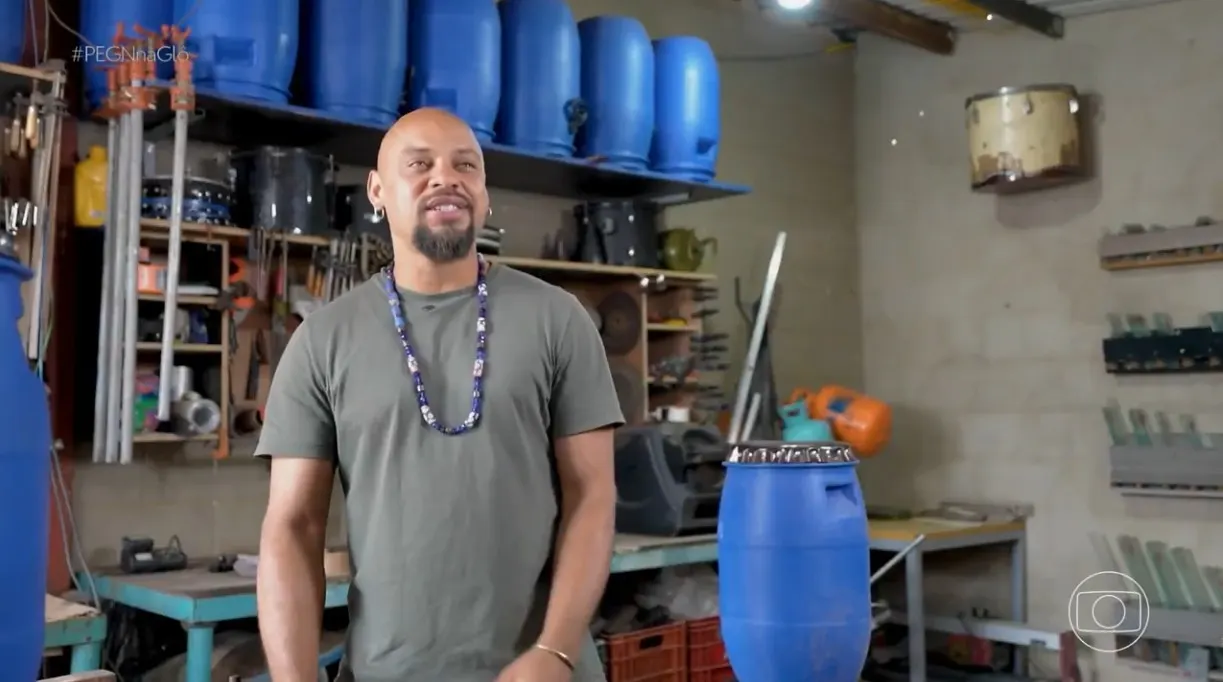
You build percussion instruments from discarded materials and sell them to people who want a cheap, light and easy-to-carry alternative to traditional ones. The idea is seen in Brazil, where Felipe Fiuza runs Tambor de Sobra. He began about 15 years ago as a percussion student at the Escola de Música de Brasília, when he could not afford equipment. He made instruments from bus handrails, fire alarms and adhesive tape found in scrapyards, and classmates wanted them because they were so cheap.
Today the flagship is the atabalde, an atabaque-style drum made from a plastic barrel with a skin cut from a PET bottle. According to the business, it needs less care than a traditional drum and is lighter to carry. It sells on the company's website for R$ 239 with a fixed skin and R$ 320 with a removable one. Buyers are percussionists, capoeira practitioners, followers of Afro-Brazilian religions and music schools. The business reports about R$ 20,000 a month in revenue.
Who it fits
This suits a musician, a handy hobbyist or a family with a garage, a balcony or a spare room. You need basic hand-tool skills and a good ear, because tuning and sound quality are what customers judge. It works beside a job: build in batches at weekends and ship during the week. It would also work in any country with drum traditions, school music programmes and plenty of scrap, such as India, Nigeria, Colombia or Indonesia.
Costs and revenue
Expect roughly $300–1,500 to start: hand tools, a drill, a saw, glue, clamps, tuning hardware, packaging and a simple website or marketplace listings. Scrap itself is often free or nearly so. These figures are editorial estimates, not the source's.
If you price near the source's range (about $45–60 per drum at current exchange rates), a drum might leave roughly half as margin once hardware and shipping are counted. Selling 30–80 instruments a month could mean around $1,000–4,000 in revenue. Treat that as a rough estimate; the R$ 20,000 figure belongs to an established brand.
Risks and pitfalls
- Inconsistent sound: scrap varies. Standardise one design and test every unit before selling.
- Material supply: barrels and bottles must be clean and safe. Build relationships with a few reliable sources.
- Shipping: bulky drums cost a lot to post. Ask for local pickup, use flat-pack parts or sell mainly nearby.
- Hand-built time: each unit takes hours. Work in batches and keep a simple jig for repeated cuts.
- Trust online: buyers cannot hear the drum. Post short sound videos and offer returns.
How to start
6 stepsBuild three prototypes from free scrap and record short sound demos to test the idea.
Show the prototypes to a capoeira group, a music teacher and a school, and ask what they would pay.
Secure steady scrap sources such as plastic barrels and PET bottles, and cost every part of one drum.
Set up a simple shop page or marketplace listing with video, specs and clear shipping terms.
Price two versions, such as fixed and removable skin, and sell to your local music community first.
Pitch school workshops and group orders, then add other scrap-built instruments.
More in: Crafts & making

Paid pumpkin carving for Halloween parties and offices
Two Halloween fans turned a seasonal hobby into paid work, with single pumpkins fetching as much as $700.
More from this day
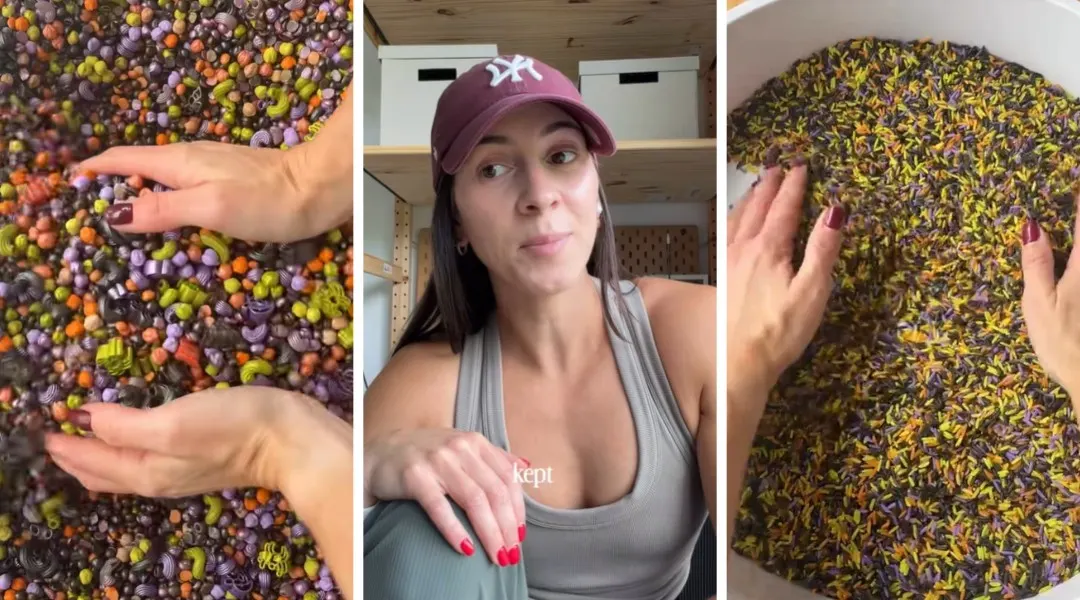
Coloured rice sensory play kits made in a home kitchen, Brazil
A bag of pantry rice and food colouring bought one mother an hour of peace, then a paying online shop.
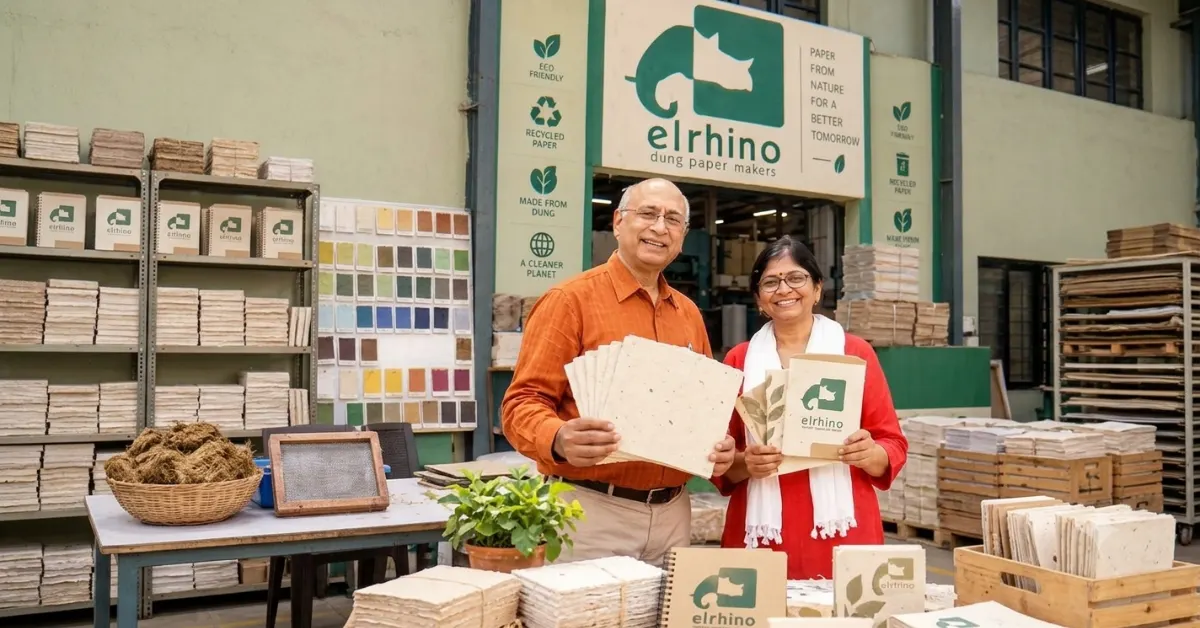

Handmade notebooks from elephant and rhino dung paper in Assam
A kitchen blender, window screens and wildlife dung can become a notebook that tourists happily pay extra for.
Free chalkboards for restaurants paid by local advertisers
Give a restaurant a free specials board, then sell the strip along the bottom to neighbouring businesses.
Plush human-organ toys sold to schools and parents in the US
Soft hearts, lungs and stomachs let children learn anatomy by hugging the body part they are studying.