
Plush human-organ toys sold to schools and parents in the US
Soft hearts, lungs and stomachs let children learn anatomy by hugging the body part they are studying.
- Startup cost
- $300–1.5k
- Low budget · under $1k
- Difficulty
- Medium
- Revenue potential
- Side income
- Time to launch
- Weeks
- Seen in
- United States
Costs and revenue are rough estimates based on the source and may differ by country.
Sew plush toys shaped like human organs and sell them to schools, paediatric clinics and parents as friendly teaching aids that help children understand the body.
The idea
You make soft toys shaped like human organs (a heart, lungs, a stomach, a brain) and sell them as teaching aids for children. A child who can hold a heart, see where it sits and hear a simple explanation remembers far more than one looking at a flat diagram. Buyers are teachers, paediatricians and parents who want a gentle way to talk about the body, illness or a hospital visit.
The idea is observed in the US, where a doctor designs plush toys in the shape of human organs to teach kids about the body. The source gives no sales figures, so everything about money below is an editorial estimate. The smallest version is one person sewing at home, starting with two or three organs and a short printed card that explains what each one does.
Who it fits
This suits someone who can sew, or can work with a local sewer, and who enjoys explaining things to children. Teachers, nurses, parents and health workers have a natural head start because they know the vocabulary and the audience. It works well beside a job: you can sew in the evenings and sell online or at school fairs. A sewing machine, a table and a phone camera are enough. It would work in any country with a school system and parents who value education, as long as you adapt the shapes and labels to the local language.
Costs and revenue
Expect to spend roughly $300–1,500 to start: a basic sewing machine if you do not own one, fabric, stuffing, thread, patterns, printed information cards, packaging and a few photographs. Pricing is a judgement call. Hand-made plush toys typically sell for around $20–40 each, and a bundle of several organs or a classroom set can be priced higher. With steady online orders and a few school or clinic buyers, a realistic side income is roughly $200–2,000 a month. Your time per toy is the main cost, so keep designs simple.
Risks and pitfalls
- Toy safety rules. Toys for children are regulated in many countries; use certified fabrics and stuffing, sew eyes and small parts securely or leave them out, and check the rules before selling widely.
- Accuracy. Get a doctor, nurse or teacher to review shapes and card text so you do not teach errors.
- Slow production. Sewing by hand limits volume; limit the range, batch your work or hire a local sewer later.
- Seasonality. School buying clusters around term starts; sell to parents and gift buyers the rest of the year.
- Copycats. Anyone can sew a heart, so build a recognisable style, clear learning cards and a trusted name.
How to start
6 stepsPick two or three organs, sketch simple patterns and sew prototypes from soft, child-safe fabric.
Ask a doctor, nurse or teacher to check the shapes and write a short, child-friendly card for each organ.
Check toy safety rules in your country and source certified fabric and stuffing.
Photograph the toys with children or a diagram, then list them on a marketplace and your social media.
Offer a classroom set to a few teachers and a clinic, and ask for honest feedback.
Price at a fair margin over materials and time, then add bundles and new organs as orders grow.
More in: Crafts & making
Paid pumpkin carving for Halloween parties and offices
Two Halloween fans turned a seasonal hobby into paid work, with single pumpkins fetching as much as $700.
More from this day
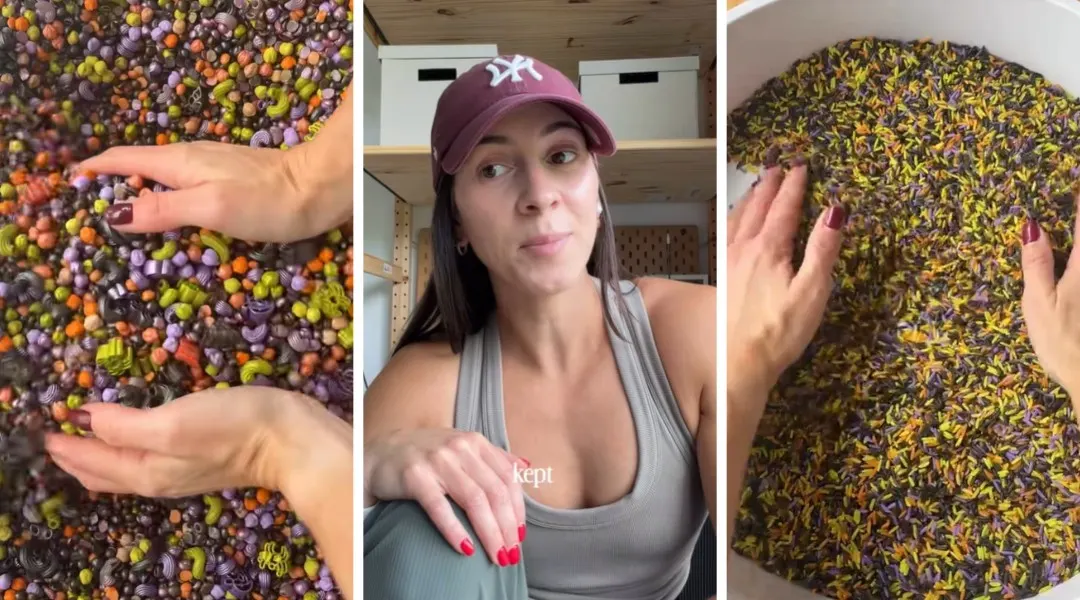

Coloured rice sensory play kits made in a home kitchen, Brazil
A bag of pantry rice and food colouring bought one mother an hour of peace, then a paying online shop.
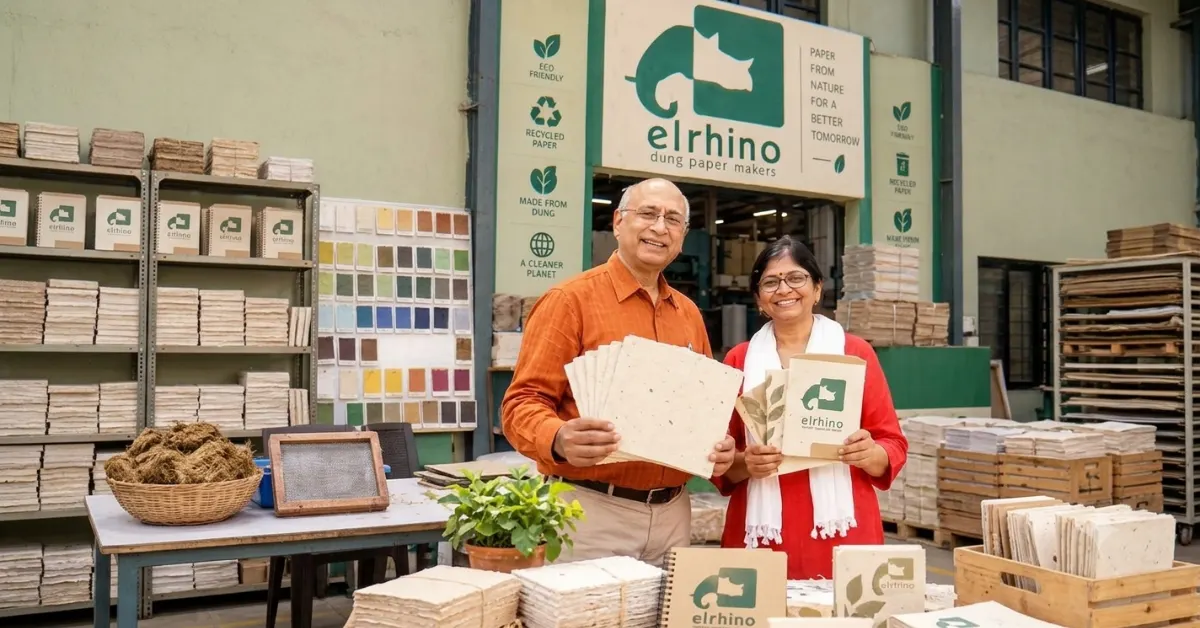

Handmade notebooks from elephant and rhino dung paper in Assam
A kitchen blender, window screens and wildlife dung can become a notebook that tourists happily pay extra for.
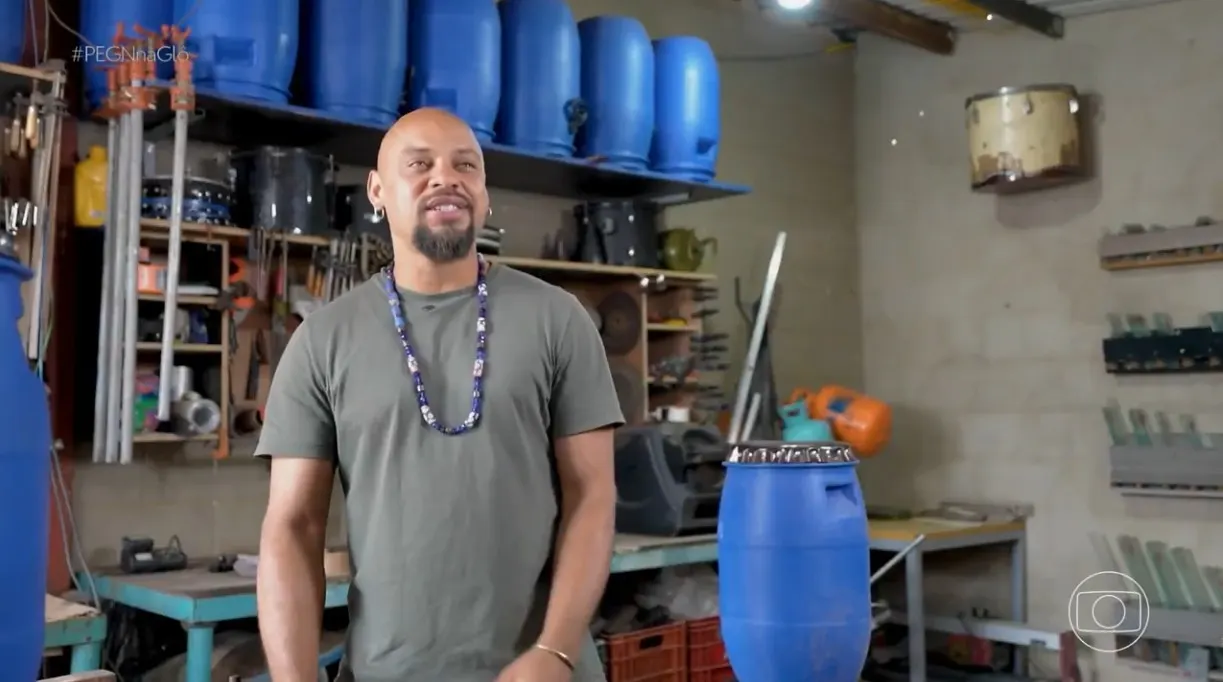
Scrap-built drums and instruments sold from a home workshop in Brazil
A music student with no budget turned plastic drums and bottle skins into a business earning about R$ 20,000 a month.
Free chalkboards for restaurants paid by local advertisers
Give a restaurant a free specials board, then sell the strip along the bottom to neighbouring businesses.