
Banana heart and chili snacks and sauces from a home kitchen in Papua
Farm waste and cheap fresh chilies become jars and packs that shops and gift stores will stock.
- Startup cost
- $150–600
- Low budget · under $1k
- Difficulty
- Medium
- Revenue potential
- Side income
- Time to launch
- Weeks
- Seen in
- Indonesia
Costs and revenue are rough estimates based on the source and may differ by country.
Turn banana hearts, surplus chilies and tomatoes into shelf-stable floss, sambal and sauce at home, then sell to local shops, markets and souvenir stores.
The idea
Farm families often sell chilies and tomatoes fresh at low prices, while banana hearts (jantung pisang) are barely used. The idea is to cook them into products that keep: sambal, tomato sauce, chili flakes with citrus leaf, and shredded banana-heart floss (abon jantung pisang), a savoury, meat-free snack.
In Klamono-Segun, a transmigration area in Southwest Papua, Indonesia, 50 farmers' wives in 10 groups are learning exactly this through a food-entrepreneur school run by a university volunteer team. The five products are shallot sambal, crab sambal, tomato sauce, chili flakes with citrus leaf and banana-heart floss. The aim is local supermarkets and souvenir shops in tourist spots such as Raja Ampat. The source reports the training covers ingredient selection, food safety, processing, packaging and basic marketing, plus help with a business ID (NIB) and home-industry food permits. Farmers say the motive is simple: fresh crops sell too cheaply.
This profile is the one-person version: one product, one kitchen.
Who it fits
Anyone with a kitchen, access to cheap produce (your own garden, a neighbour's farm or a market) and patience for repetitive cooking. It works beside a job or farm work, with batches on weekends. The same model suits any region with a glut of fruit, vegetables or chilies and tourists who buy local food gifts.
Costs and revenue
These are editorial estimates. Expect roughly $150–600 to start: large pots, a stove, jars or sealable pouches, labels, a scale and a few test batches. Permit fees vary by country.
- Price jars or packs at about 3–4 times your ingredient and packaging cost.
- Selling 200–400 units a month at about $1.50–3 can bring in roughly $300–1,000, before ingredients and packaging.
- Floss and dry chili flakes keep longer than fresh sauce, so start there.
Risks and pitfalls
- Food safety: poor hygiene or acidity can spoil sauces. Follow a tested recipe, sterilise jars and learn your local rules.
- Permits: shops and gift stores often require a registration or home-food licence. Apply early.
- Inconsistent taste: keep fixed recipes and weights so each batch matches.
- Thin margins: count your own time and fuel, and avoid underpricing.
- Seasonal supply: chilies and tomatoes swing in price. Buy at the glut and dry or cook in bulk.
How to start
6 stepsTest one recipe, such as banana-heart floss or chili flakes, on friends and neighbours.
Source cheap produce from your garden, nearby farmers or the market at harvest glut.
Buy pots, jars or pouches, a scale and printed labels with ingredients and date.
Register your business and get the home-food permit your area requires.
Give samples to small shops, market stalls and souvenir stores, then take first orders.
Price at about 3–4 times cost, track each batch and add a second product.
More in: Food & drink
 India
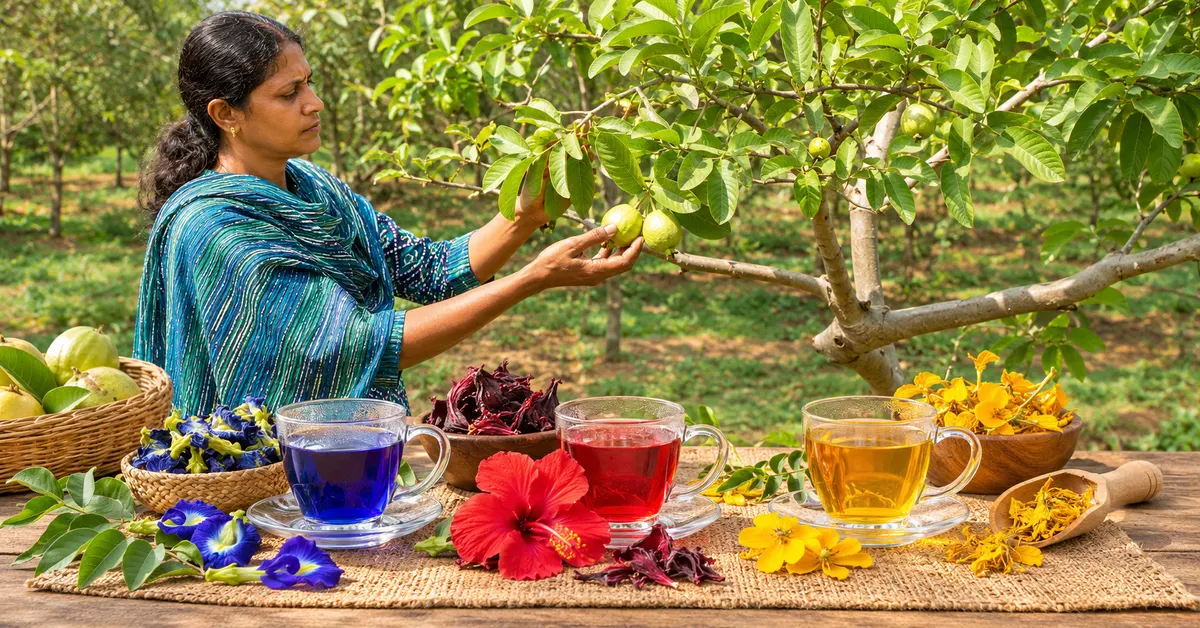
Amla candy and dried gooseberry products from a home kitchen
A glut of fruit that spoils in weeks can become a shelf-stable product line that customers reorder.
 Brazil
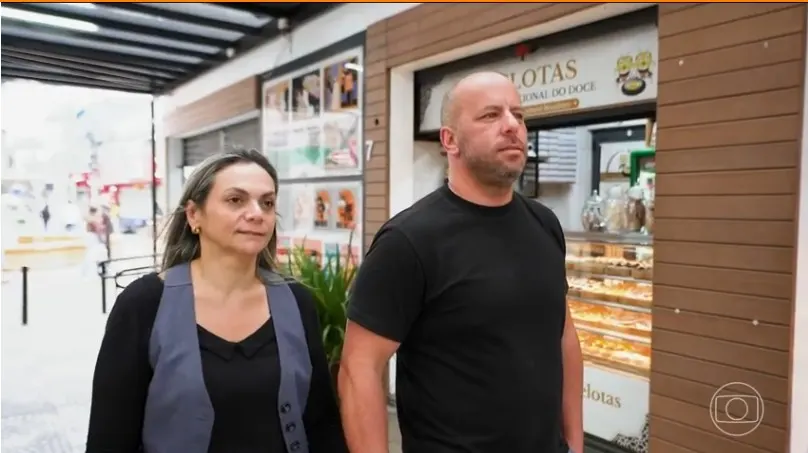
Home-kitchen Pelotas doces sold by pre-order to families and cafes
A two-century-old egg-yolk sweet tradition can start on your own kitchen counter, one pre-order at a time.
 Mexico
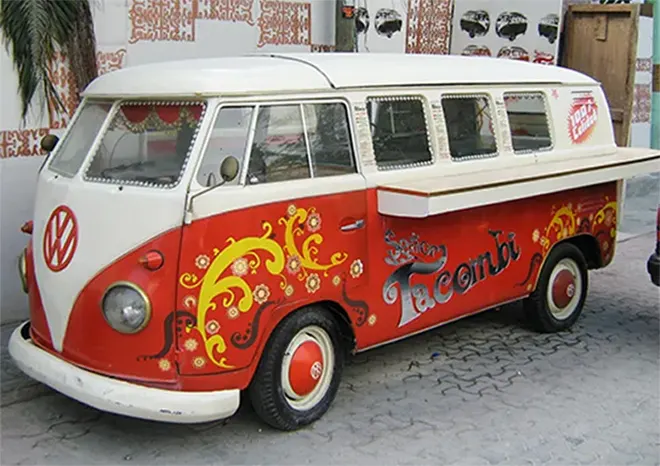
Old Volkswagen van turned into a street taco stand for beach towns
A worn-out 1963 van, a griddle and a beach full of hungry tourists: how one taco stand began.
 United States
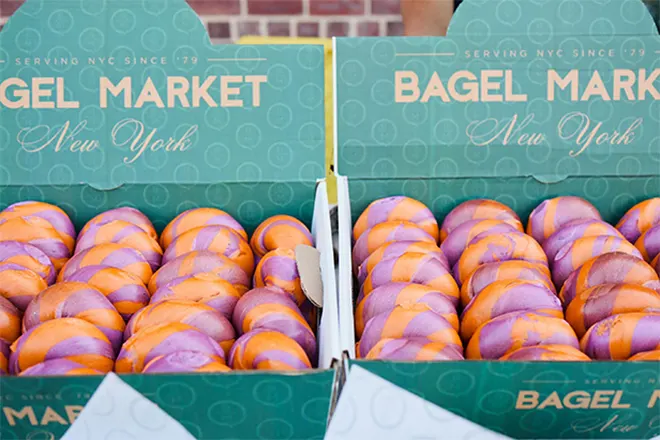
Selling baklava by hand to concert crowds in New York
Three trays of baklava and a bold hello turned a joke bet into a real business.
More from this day

 China
Evening sidewalk stall selling food-shaped hair clips in Qingdao
Tiny sushi and dumplings on a hair clip: a PhD couple turned their after-work hours into a stall.
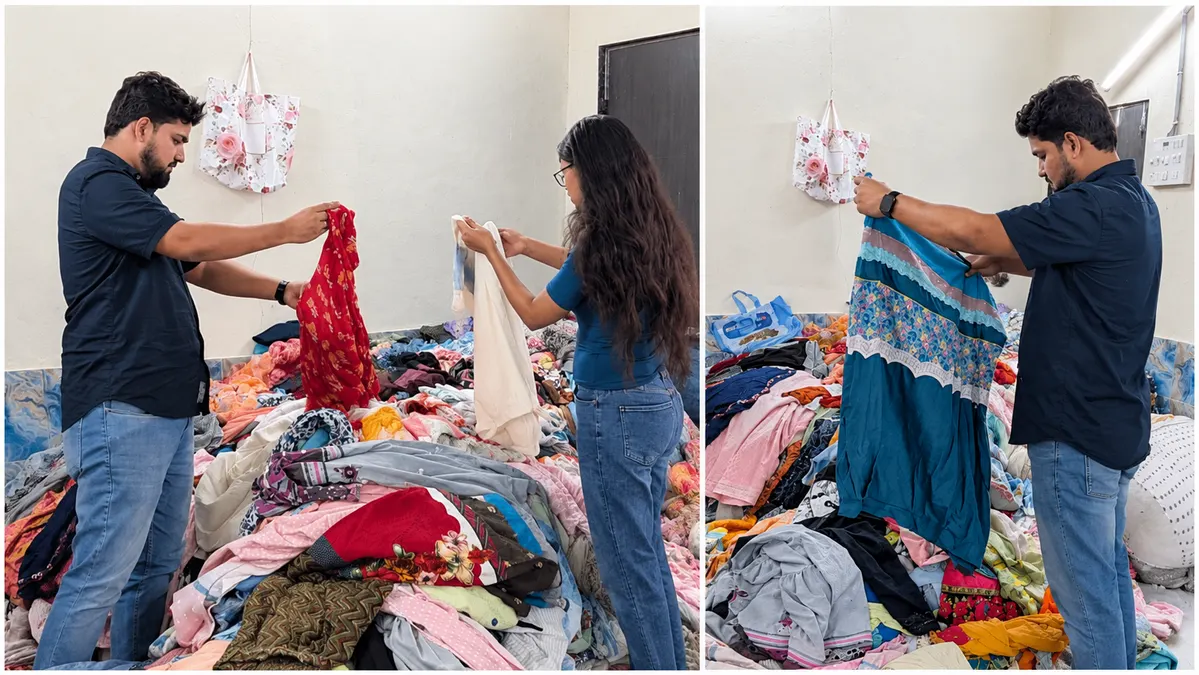
Door-to-door old clothes buying by weight in Mumbai
Households have piles of old clothes they want gone, and traders and artisans will pay for sorted bundles.