
Amla candy and dried gooseberry products from a home kitchen
A glut of fruit that spoils in weeks can become a shelf-stable product line that customers reorder.
- Startup cost
- $300–1.2k
- Low budget · under $1k
- Difficulty
- Medium
- Revenue potential
- Side income
- Time to launch
- Months
- Seen in
- India
Costs and revenue are rough estimates based on the source and may differ by country.
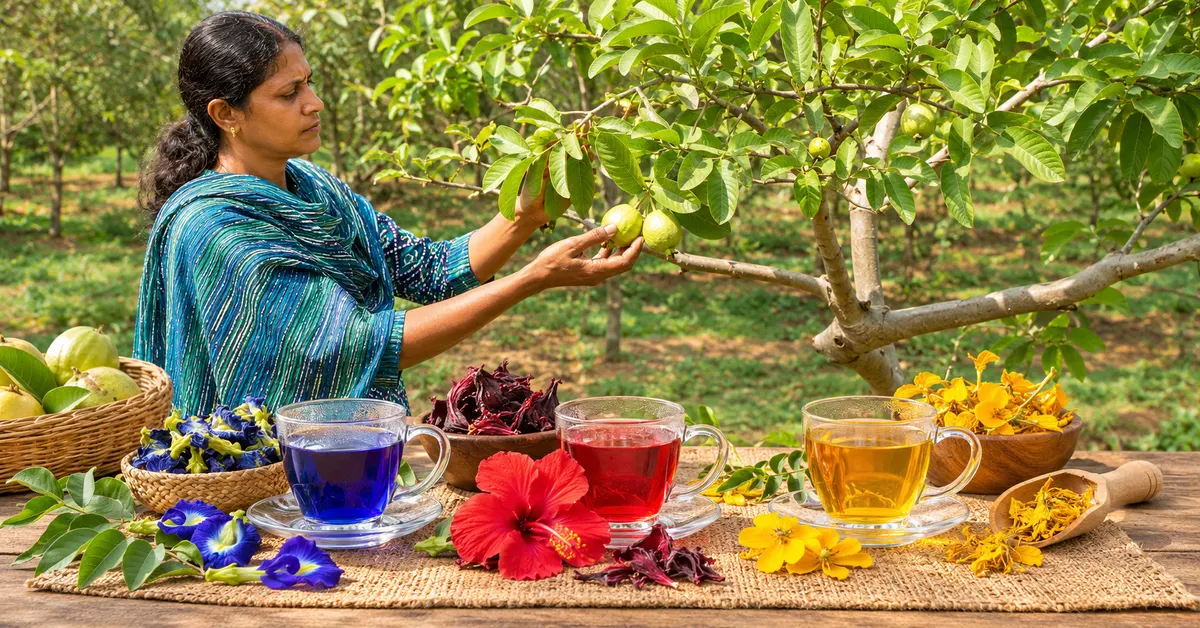
Turn surplus amla from a family tree into jaggery candy, dried fruit and herbal drinks, made at home and sold online to customers who come back to reorder.
The idea
Amla (Indian gooseberry) ripens all at once, and fresh fruit sells only for a short window. At Aruvi Farm in Iduvai, Tamil Nadu, around 25 trees bore so heavily that the family could neither eat nor sell everything. Kalaiselvi, a former software developer who had worked nearly a decade in the United States, began preserving the surplus. Her business, Aruvi Eco Organics, now makes more than 25 products, over a dozen of them from amla, including jaggery-sweetened amla candy, dried fruit, herbal teas and leaf powders. She estimates processing lets the farm use nearly 60 percent of its suitable surplus, and products avoid artificial colours, flavours and synthetic preservatives.
The smallest version is a handful of amla products, not 25: for example candy, dried slices and a powder, sold in labelled pouches online.
Who it fits
This suits someone with access to amla, whether a family tree, a neighbour's orchard or a local farmer, plus a clean kitchen and patience. It can run beside a job because fruit comes in seasons and drying happens in batches. Kalaiselvi started with a coir-tray dryer in her living room and spent roughly two years on training in moisture, food safety, packaging and shelf life. Similar models work wherever a fruit has a glut: citrus, plums, figs or berries.
Costs and revenue
The source reports a dryer of about Rs 28,000 (roughly $330). As an editorial estimate, expect around $300–1,200 to start: a small dryer, food-grade pouches, labels, scales, a basic lab test and licence fees. Fruit from your own tree costs almost nothing.
Price by weight with a clear margin over fruit, jaggery and packaging. A realistic estimate for one person part-time is roughly $100–500 a month in season, more once you have repeat buyers and several products. These figures are estimates, not the source's.
Risks and pitfalls
- Inconsistent batches. A recipe that works once may fail next time. Record weights, drying times and moisture, and test small batches.
- Food safety rules. Home-made food usually needs registration; check your local food authority before selling.
- Spoilage without preservatives. Dry thoroughly, use airtight packs and note shelf life.
- Seasonal supply. Dry extra fruit at harvest and add products that use other crops.
- Finding buyers. Use samples, short videos and WhatsApp groups to win repeat orders.
How to start
6 stepsMake small test batches of candy, dried slices and powder from your own amla and note what tastes best.
Buy a small dryer, scales and food-grade pouches, and keep a log of each batch's weight and drying time.
Register with your local food authority and have a sample tested for quality and shelf life.
Send samples to friends and health-minded buyers, and post short videos of the process.
Price per weight above fruit, jaggery and packing costs, and offer small trial packs.
Add one product at a time from other fruit once repeat orders arrive.
More in: Food & drink

 Brazil
Home-kitchen Pelotas doces sold by pre-order to families and cafes
A two-century-old egg-yolk sweet tradition can start on your own kitchen counter, one pre-order at a time.

 Mexico
Old Volkswagen van turned into a street taco stand for beach towns
A worn-out 1963 van, a griddle and a beach full of hungry tourists: how one taco stand began.

 United States
Selling baklava by hand to concert crowds in New York
Three trays of baklava and a bold hello turned a joke bet into a real business.

 Thailand
Seasonal pre-order cake baked once a year from a home kitchen
One cake, one season a year: scarcity turns a home recipe into something people wait for.
More from this day
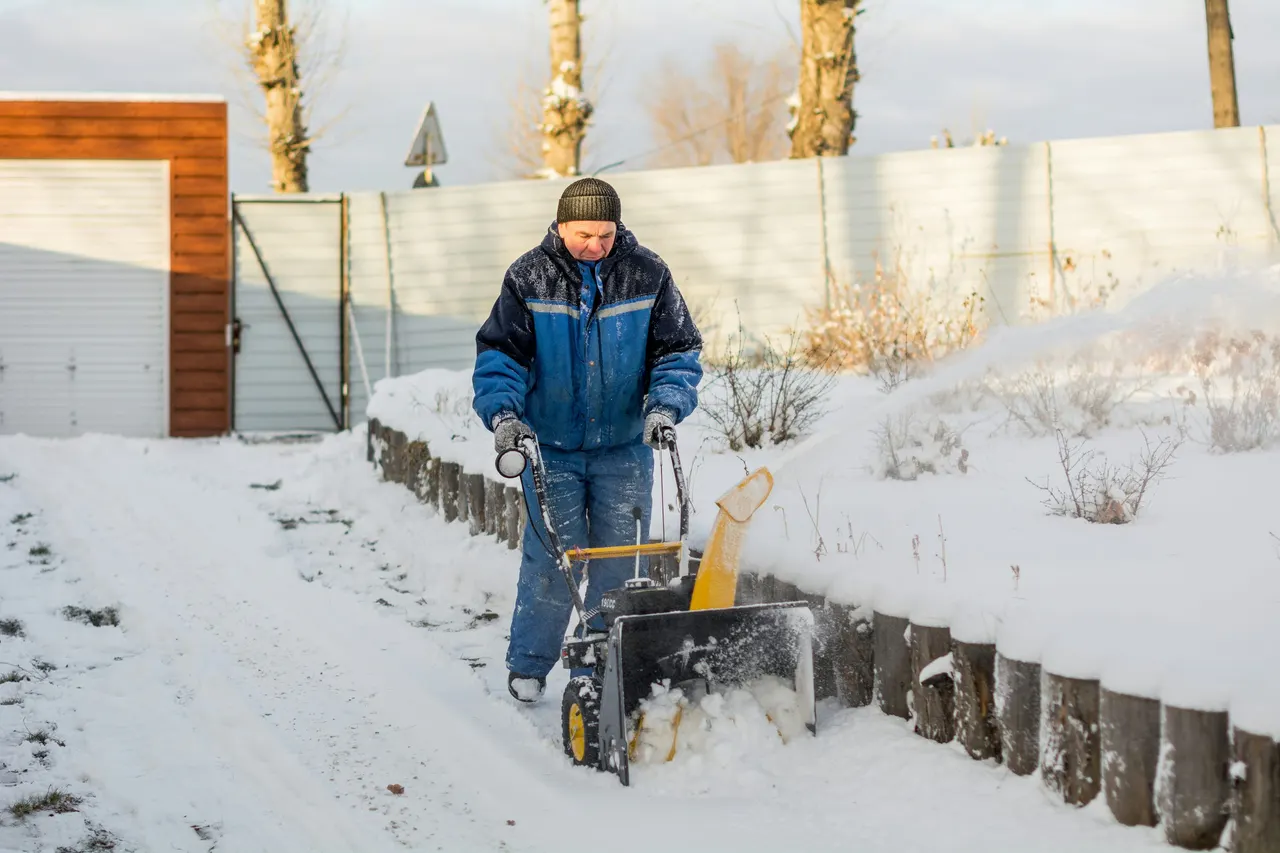
Per-visit driveway snow clearing for homeowners in the US
A shovel, a snowblower and a clear quote can turn every snowfall into paid work.