
Reselling discarded furniture and goods from a car in Nashville
A former homeless man in Nashville turned what people throw away into online sales.
- Startup cost
- $100–800
- Low budget · under $1k
- Difficulty
- Easy
- Revenue potential
- Side income
- Time to launch
- Days
- Seen in
- United States
Costs and revenue are rough estimates based on the source and may differ by country.
Carter Stevens, 31, collects items thrown out near offices and upscale condos, cleans them and resells them online. Here is the one-person version.
The idea
Carter Stevens, 31, from Nashville in the United States and a former homeless man, searches for items people have thrown away, cleans and sorts them, then resells them. According to the business, he looks around office districts and upscale condominium buildings and lists the goods on eBay and Facebook Marketplace. He reports sales of about 4.9 million baht (roughly $140,000) in 12 months. Treat that as one exceptional case, not a promise.
You earn from the gap between a free find and a resale price. Furniture, tools, household goods and electronics are the usual categories.
Who it fits
This suits one person with a car or a garage, a strong back and patience for photographing and listing. It works beside a job: collect in the evenings or around moving-out days, list at weekends. Cities with many apartments, students or fast-moving renters tend to throw out the most usable items. The model could work in many countries with active online classifieds or weekly markets, provided local rules allow taking discarded goods.
Costs and revenue
These are editorial estimates, not figures from the source. Expect to start with roughly $100 to $800: cleaning supplies, basic tools, straps or a trolley, and listing fees. If you already own a car, you stay at the low end.
- Price from sold listings on the same platforms, not from asking prices.
- A part-time month might bring around $300 to $1,500; full-time effort in a wealthy area could reach a few thousand dollars.
- Focus on items that sell quickly and need little repair.
Risks and pitfalls
- Legality: in some places taking items from bins or private property is restricted. Check local rules and never enter private areas.
- Safety and hygiene: wear gloves, avoid broken glass and anything contaminated, and clean everything before listing.
- Storage: unsold bulky items clog a garage. Set a limit on how long you keep something, then discount or donate it.
- Electronics: test before selling and describe faults honestly to avoid refunds.
- Irregular income: finds vary week to week, so keep a buffer.
How to start
6 stepsSpend a week browsing sold listings on eBay and Facebook Marketplace to see which items sell fast.
Gather gloves, cleaning supplies, straps and a phone for good photos; clear space in your car or garage.
Check local rules on taking discarded goods, and open your seller accounts.
Collect in office and apartment areas on moving days, and list your first ten items with clear photos.
Price from sold listings, reply quickly and arrange local pickup or shipping.
Track profit per item and focus on the categories and areas that pay best.
More in: Retail

 Brazil
Turn a ride-hail car into a mobile bookshop, as seen in Brazil
Every passenger gives you a few minutes of conversation. One author turned them into book sales.
More from this day

 Kenya
Hand-spun wool scarves and rugs sold online from Meru, Kenya
Raw wool costs pennies a kilo; woven into a rug it sells for hundreds of dollars.
 Saudi Arabia
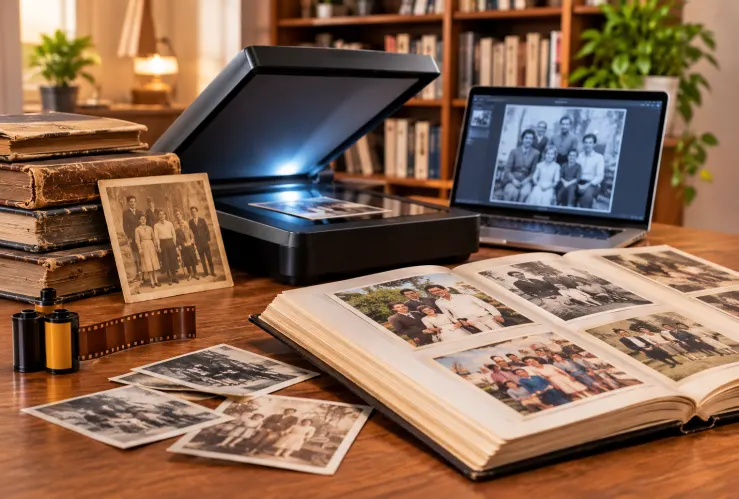
Memory clinic: turning families' old photos and tapes into books
Old photos fade and cassettes decay, so families will pay to turn them into one book.

Hot Brazilian broth stall for evening crowds in Rio de Janeiro
She started with about R$300 and a borrowed stall; broth now pays her far more than manicures did.

 India
Sattu health mixes and ready-to-drink packs from a Bihar home kitchen
Roasted gram flour, a Bihar village staple, is being repackaged as a modern protein drink people buy online.